
The best time to visit Southeast Asia is November to February, the cool dry season for the mainland, while Bali is best April to October and the Philippines December to May. Southeast Asia is one of the world’s great travel regions, but its weather is anything but uniform, and getting the timing wrong can mean weeks of rain. The best time to visit Southeast Asia in 2026 depends heavily on which countries you plan to see, because the dry and monsoon seasons shift across the region and even flip between coasts of the same country. This guide breaks down the ideal window country by country, so you travel in sunshine and skip the worst of the rain and crowds.
As a broad rule, the November to March dry season is the safest bet for most of the region, while the shoulder months offer fewer crowds and lower prices. For a live, month-by-month view of any destination, open the GlobeDude Explorer and switch to Best Time mode to see the climate and cost for each country relative to you.
Compare climate, cost and visas live
Set your home country below to compare Southeast Asian destinations by cost and visa access before you plan.
The quick answer: best overall window
For a first trip covering the mainland, November to February is the sweet spot: dry, cooler and comfortable across Thailand, Vietnam, Cambodia and Laos. March and April get very hot and hazy inland, and May to October brings the southwest monsoon to much of the region, though it rarely rains all day and travel is cheaper and quieter then.
Thailand
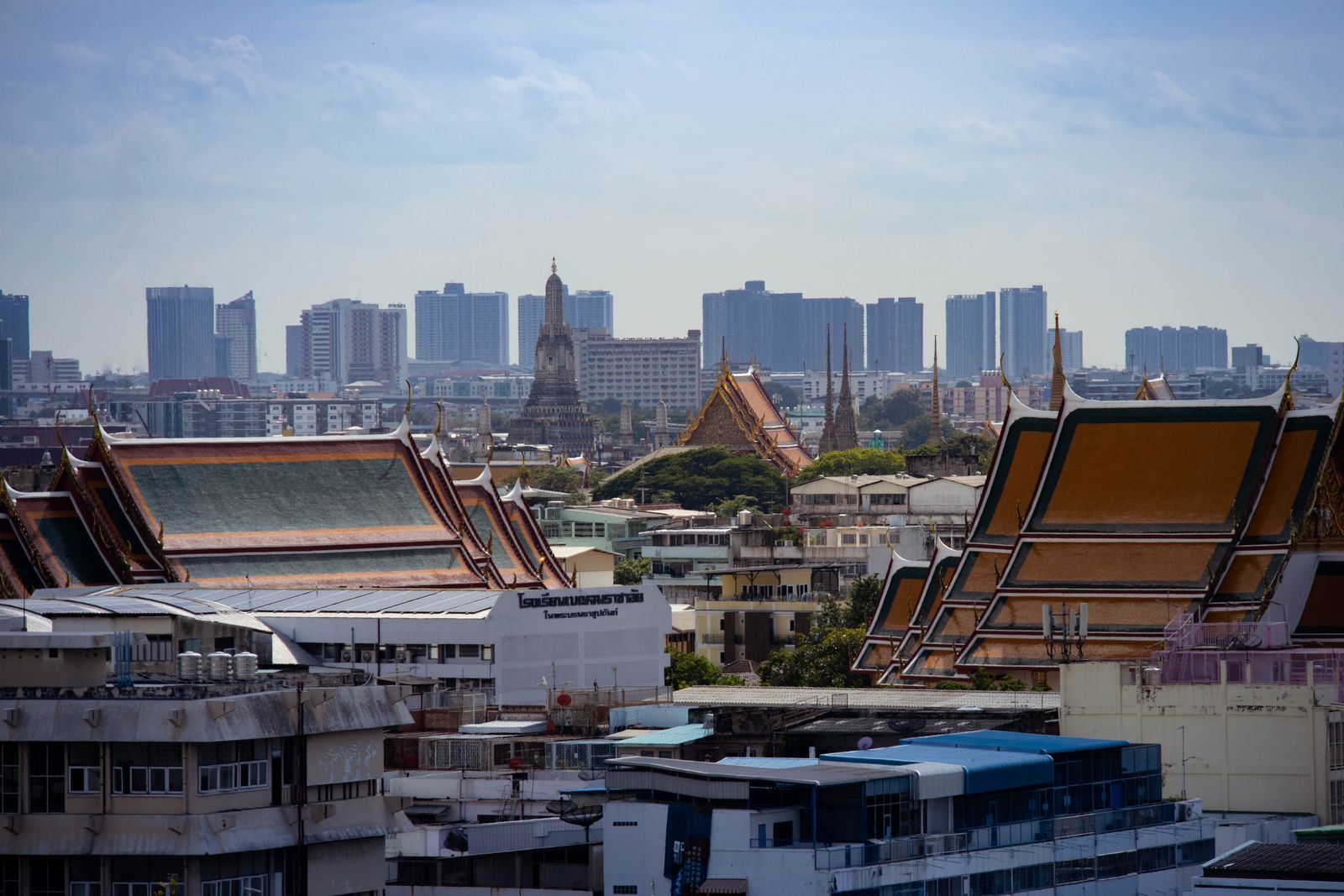
Thailand is at its best from November to March, when the whole country is dry, sunny and pleasantly warm. April is the hottest month, peaking with the Songkran water festival, and the rains arrive from May. Note the coasts differ: the Andaman side, including Phuket and Krabi, is driest November to April, while the Gulf islands like Koh Samui stay drier a little later into the year. Find stays in Bangkok on Agoda.
Vietnam
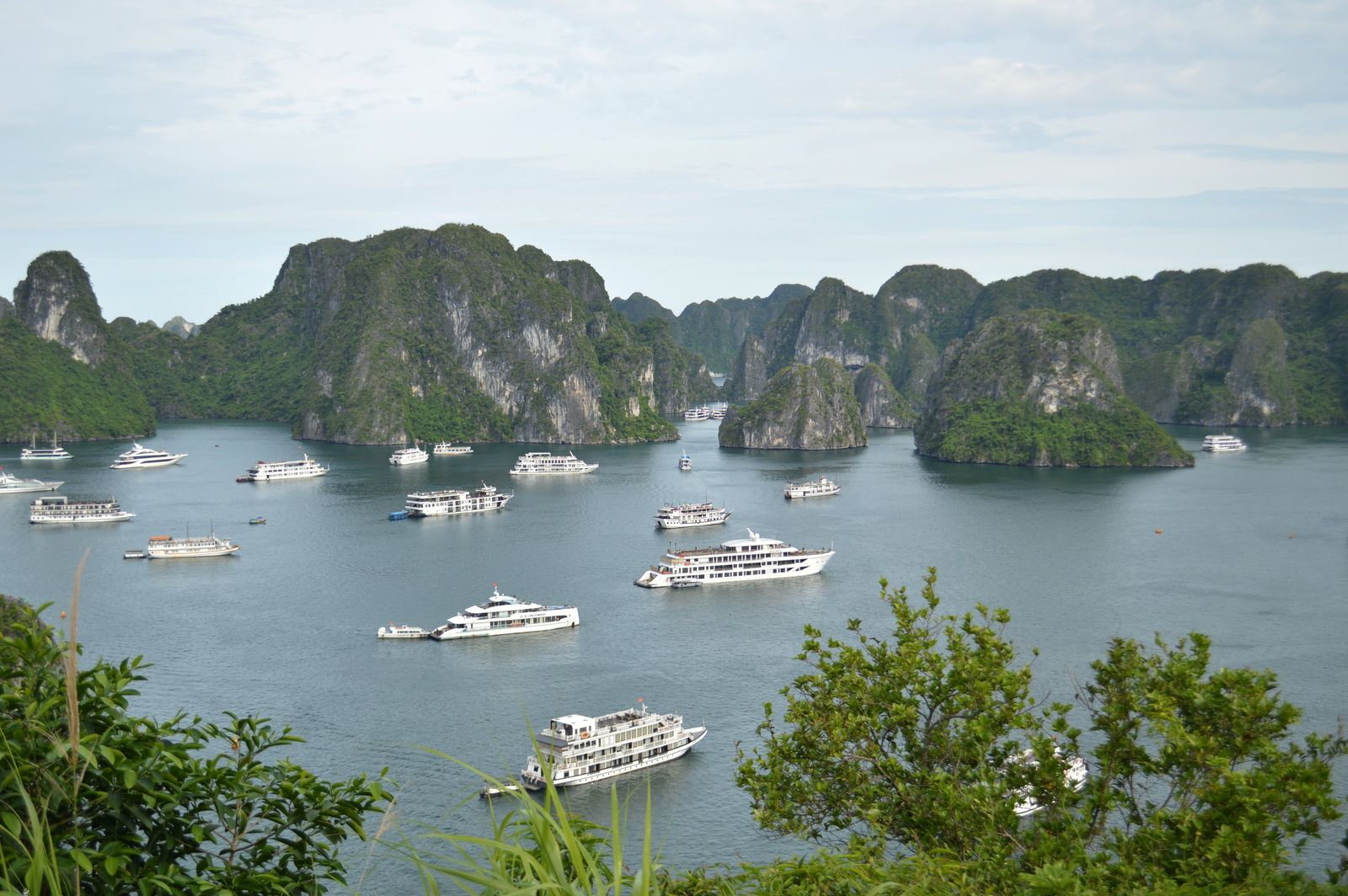
Vietnam is long and thin, so there is no single best time. For the north (Hanoi, Sapa, Ha Long Bay), aim for October to April. Central Vietnam (Hoi An, Da Nang) is driest February to May. The south (Ho Chi Minh City, the Mekong) is dry December to April. If you are traveling the whole country, spring around February to April gives you the best overall balance.
Bali and Indonesia
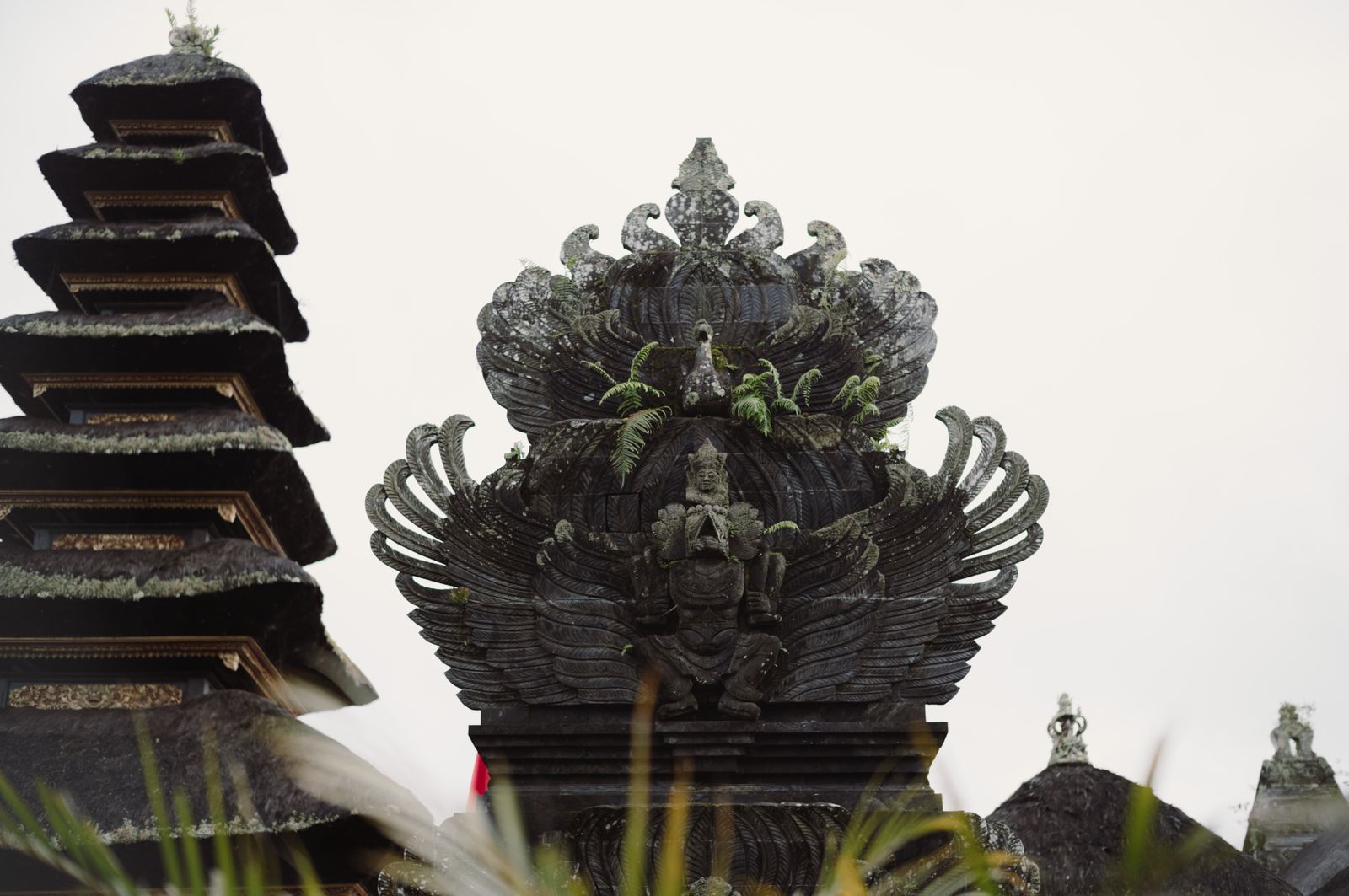
Bali and much of Indonesia enjoy their dry season from May to September, the opposite of the mainland, which makes it a perfect wet-season escape from countries like Thailand. April and October are excellent shoulder months with good weather and fewer crowds. Avoid January and February if you want reliable sun, as these are the wettest months. Find stays in Bali on Agoda.
Malaysia and Singapore

Malaysia and Singapore are hot and humid year-round with no true dry season, but the west coast (Kuala Lumpur, Penang, Langkawi) is driest from December to February and June to August. The east coast and Borneo are best March to October, as they catch heavy rain late in the year. These make handy hubs you can visit almost anytime.
Cambodia and Laos
Cambodia and Laos follow the mainland pattern: November to February is dry and cooler and ideal for temples like Angkor Wat. March to May is intensely hot, and the rains from June to October turn the landscape lush and green while keeping crowds low. Early in the dry season, around November, offers greenery without the rain.
Philippines
The Philippines is best from December to May, its dry season, with March and April ideal for island-hopping around Palawan and Cebu. The typhoon season runs roughly June to November and mainly affects the east, so travel is still possible with flexible plans, especially in the west and south.
How to plan around the weather
See the climate month by month: open the Explorer, switch to Best Time mode, and check the 12-month climate strip for each destination before you book.
Stay connected across borders: a regional travel eSIM keeps you online across multiple Southeast Asian countries on one plan, so maps, weather and ride apps work the moment you land in each new place.
Book tours and tickets: lock in skip-the-line entry, day trips and guided experiences before you go, so you spend your time exploring rather than queuing. Browse tours and activities on GetYourGuide.
Spend at the real rate: a Wise account lets you hop between the baht, dong, ringgit and rupiah and spend at the true exchange rate, avoiding fees on every border.
Insure the trip: monsoon travel can mean delays and the odd stomach bug, so cover helps. SafetyWing covers travelers across the region on a monthly plan.
Book flights around the seasons: shoulder months are cheaper and quieter. Compare flight deals here, or let the Spin the Globe tool pick your next stop.
Frequently asked questions
What is the best month to visit Southeast Asia?
For most of the mainland, including Thailand, Vietnam, Cambodia and Laos, the best months are November to February, when it is dry, cooler and comfortable. This is also peak season, so book ahead and expect higher prices.
When is the rainy season in Southeast Asia?
Across most of the mainland, the wet season runs roughly May to October. Bali and much of Indonesia are the opposite, with their rains around November to March. It rarely rains all day, so shoulder-season travel is still very doable and much cheaper.
What is the best time to visit Thailand?
November to March is ideal, with dry, sunny weather nationwide. April is the hottest month, and the rains come from May. The Andaman coast (Phuket, Krabi) and the Gulf islands (Koh Samui) have slightly different patterns, so match your beach to the month.
When should I visit Bali?
Bali’s dry season from May to September is best, with April and October as excellent, quieter shoulder months. This makes Bali a great escape during the mainland’s rainy season. January and February are the wettest.
Can I travel Southeast Asia during the monsoon?
Yes. Monsoon rain usually comes in short heavy bursts rather than all day, and you get lush scenery, fewer crowds and lower prices. Keep plans flexible, avoid the most typhoon-prone areas in peak storm months, and check forecasts as you go.
How do I check the weather for a specific country?
Open the GlobeDude Explorer, switch to Best Time mode, and view the 12-month climate strip for each destination alongside its cost and visa rule for your passport. It is the fastest way to time a multi-country trip.
Seasonal patterns are general guidance and weather varies year to year, so always check current forecasts before booking. Some links above are affiliate links that support GlobeDude at no extra cost to you.
Keep reading on GlobeDude
Explore by topic: Best Time to Travel, Cost of Living, Visa Guides, Money & Currency. Or open the Explorer.