Category: Money & Currency

  • 9 Countries You Can Visit From India Under ₹50,000 in 2026 (Flights Included)

    9 Countries You Can Visit From India Under ₹50,000 in 2026 (Flights Included)

    In 2026, Indians can take a full international trip for under ₹50,000 including return flights, and the best value is Nepal, Sri Lanka, Thailand, Vietnam and Malaysia, where the airfare plus several comfortable days still comes in under budget. A foreign holiday does not need lakhs. Below are nine countries where ₹50,000 covers your return flight and a real trip, ranked from the most days you get to the fewest, followed by an honest breakdown of what to expect in each and how to keep the whole thing under budget.
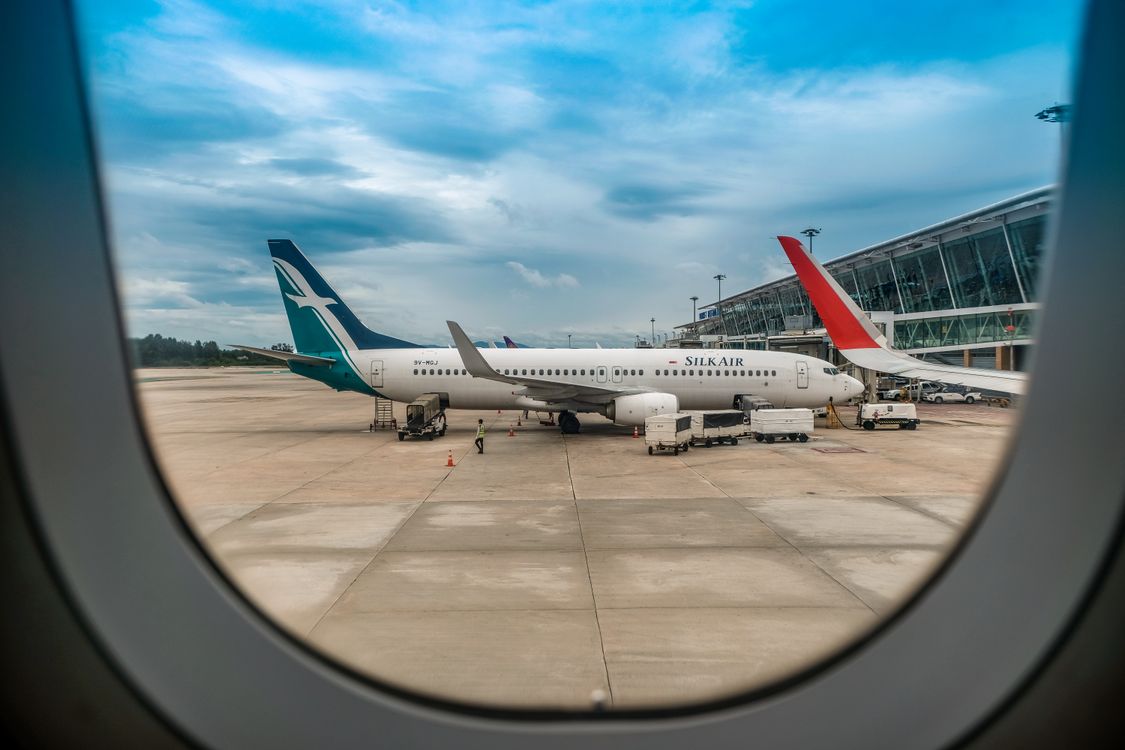
    View of planes from an airplane window on the runway
    Book flights two to three months ahead and a trip abroad fits inside ₹50,000.
    How to read this
    Return flights are approximate 2026 fares from a major Indian metro and move with the season, so book early. On-ground days assume a comfortable mid-range budget after the flight. Set your city and dates in the GlobeDude Explorer for live costs, and the Salary Goes Furthest tool to see what your income is worth in each.

    9 countries under ₹50,000, flights included

    Total budget of ₹50,000 per person, return airfare plus daily spend. Figures are approximate and exclude visa fees where they apply.

    # Country Est. return flight Days on ₹50k Entry for Indians
    1 Nepal ₹14,000 ~2 weeks Free, no visa
    2 Sri Lanka ₹18,000 ~10 days Quick online ETA
    3 Kazakhstan ₹20,000 ~8 days Visa-free, 14 days
    4 Thailand ₹22,000 ~8 days Visa-free, 30 days
    5 Malaysia ₹24,000 ~7 days Visa-free, 30 days
    6 Bhutan ₹16,000 ~5 days No visa, daily SDF applies
    7 Vietnam ₹26,000 ~7 days e-visa
    8 Indonesia (Bali) ₹34,000 ~4 days Visa on arrival, 30 days
    9 Maldives ₹20,000 ~3 days Free visa on arrival

    Flights are approximate 2026 return fares from a major Indian metro and vary by city, date and how early you book. On-ground days assume mid-range spending after the flight. Confirm fares and visa fees before booking.

    Nepal: two full weeks on ₹50,000

    Nepal is the runaway winner. Return flights to Kathmandu start around ₹14,000, there is no visa for Indians, and a comfortable day costs about ₹2,000. That leaves roughly ₹36,000 for two weeks on the ground, enough for Kathmandu, the lakeside town of Pokhara, and a short Himalayan trek like Poon Hill or the Annapurna foothills. Spend on a guide and a couple of internal flights and it still fits. Go in October to November or March to April for clear mountain views.
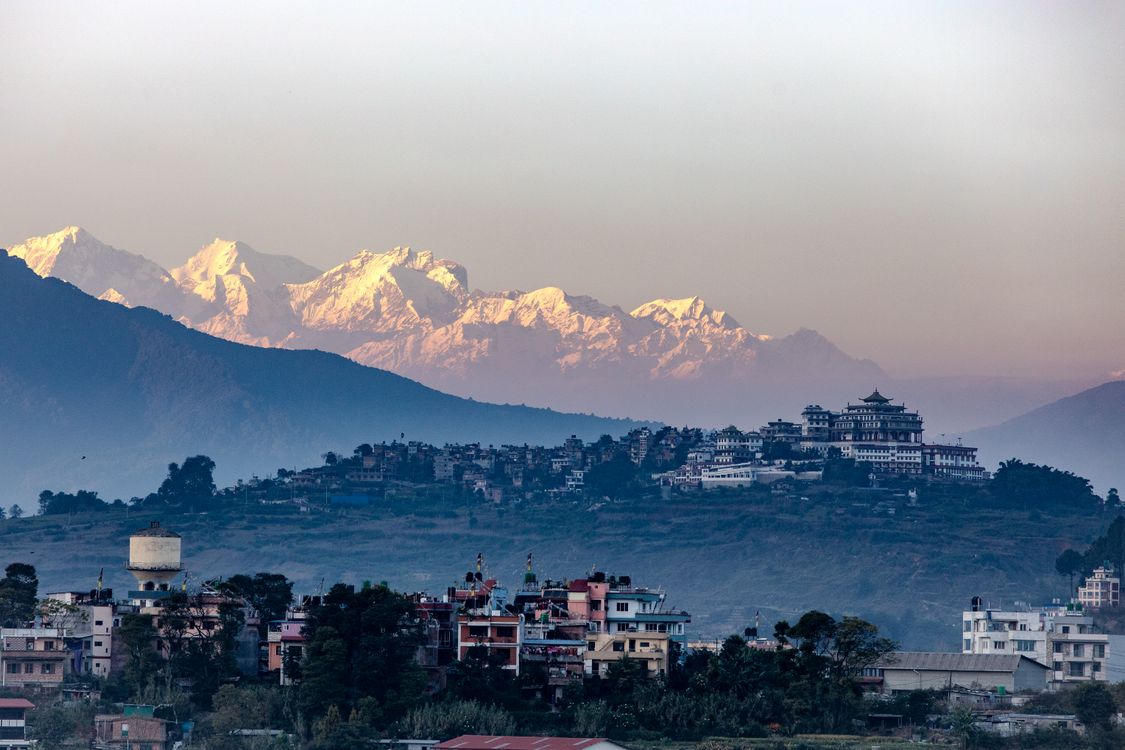
    Kathmandu valley with the Himalayas at sunset, Nepal
    Nepal gives you a full two weeks in the Himalayas for under ₹50,000.

    Sri Lanka: about ten days of beaches and hills

    Sri Lanka packs beaches, tea-country trains, safaris and old forts into one small island, and it is genuinely cheap once you are there, roughly ₹2,800 a day. With flights to Colombo around ₹18,000 and a quick online ETA, ₹50,000 covers about ten days. A classic loop runs Sigiriya, Kandy, the famous hill-country train to Ella, a safari at Yala, and a finish on the south coast. December to March is best for the west and south.
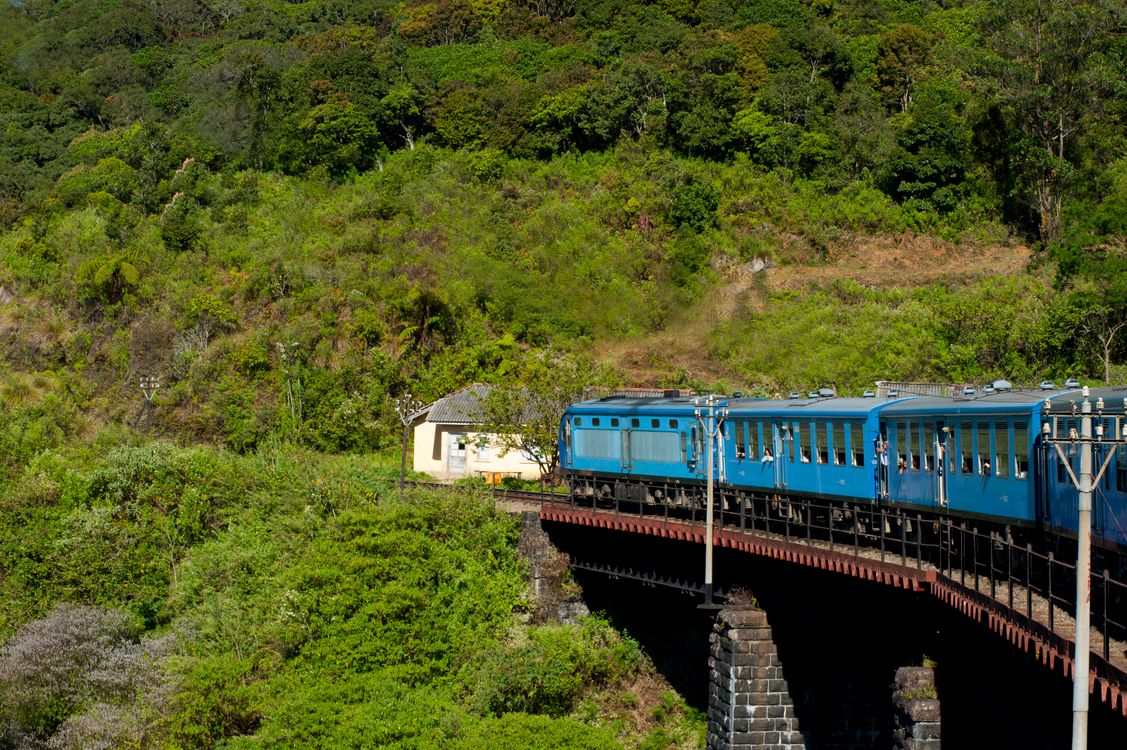
    Train through the green hills of Ella, Sri Lanka
    The Kandy to Ella train is one of the world’s prettiest, and it is very cheap.

    Thailand and Malaysia: a full week each

    Thailand is still visa-free for Indians in 2026, now for 30 days, and remains superb value at about ₹3,400 a day. With flights to Bangkok near ₹22,000, you get a comfortable week covering the city, Chiang Mai and an island. Malaysia is visa-free for Indians for 30 days through 2026, and with flights near ₹24,000 you can do Kuala Lumpur, Penang and Langkawi in a week. Both are ideal first trips, see our Thailand and Malaysia itineraries.

    Vietnam: the best value week in Asia

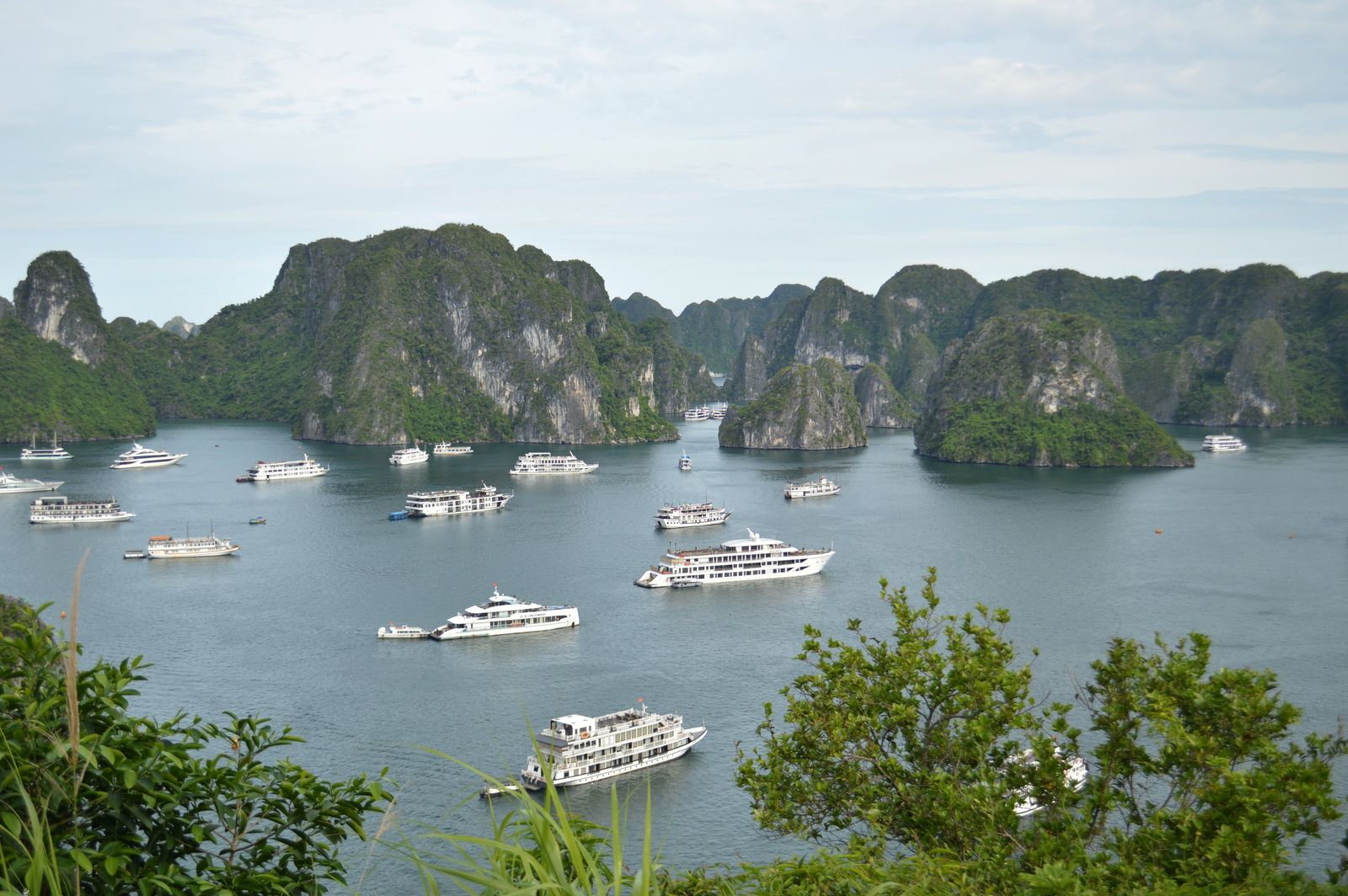
    Vietnam runs about ₹2,500 a day, so even with flights near ₹26,000 you get a full week. The efficient route is Hanoi, an overnight cruise on Ha Long Bay, and the lantern-lit old town of Hoi An. It is arguably the best food-and-scenery value on the planet. Book the e-visa in advance and travel February to April for the best weather countrywide.

    Bali: a short escape, even after airfare

    Bali is doable but tighter, because flights to Denpasar are higher, around ₹34,000. That leaves enough for a focused four-day escape rather than a long stay, so pick one base, either Ubud for rice terraces and temples or the southern beaches for surf and cafes, and keep it simple. If you want a longer island trip on the same money, Sri Lanka is the smarter pick.
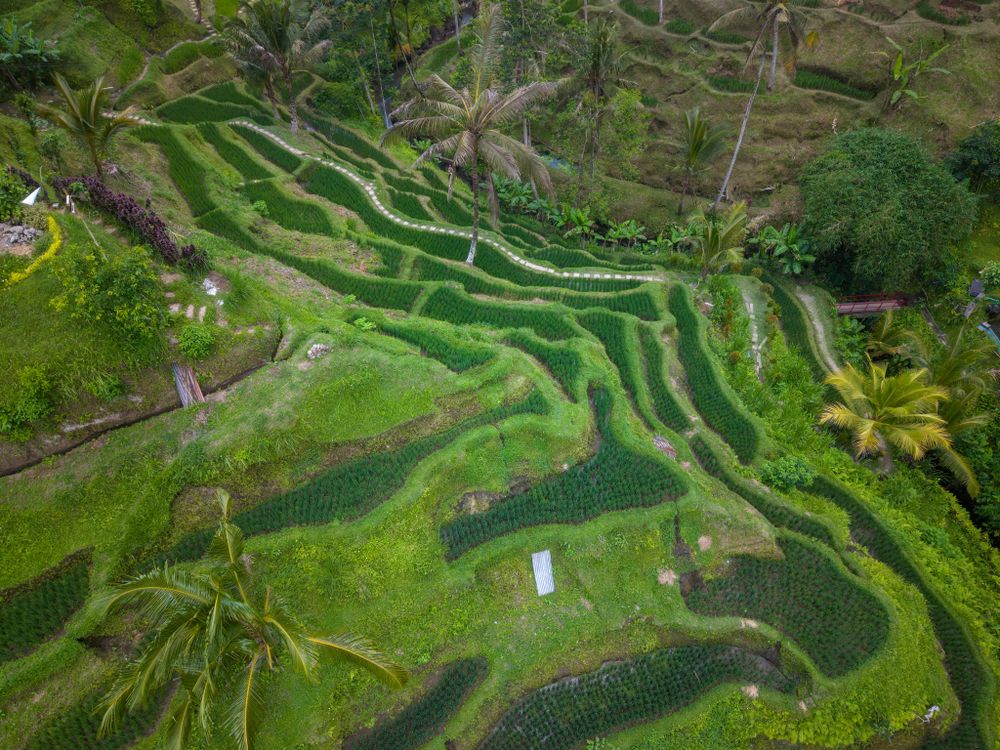
    Terraced green rice fields in Bali, Indonesia
    Bali fits a short, sweet four-day trip inside the budget once flights are paid.

    How to keep the whole trip under ₹50,000

    The budget lives or dies on a few decisions. Book flights two to three months ahead and avoid Indian holiday peaks, when fares to Southeast Asia can double. Travel in shoulder season for lower room rates and thinner crowds. Stay in guesthouses and hostels rather than resorts, and eat where locals eat, which is both cheaper and better. Use a Wise card to spend at the real exchange rate instead of losing money to airport counters, and a travel eSIM instead of roaming.
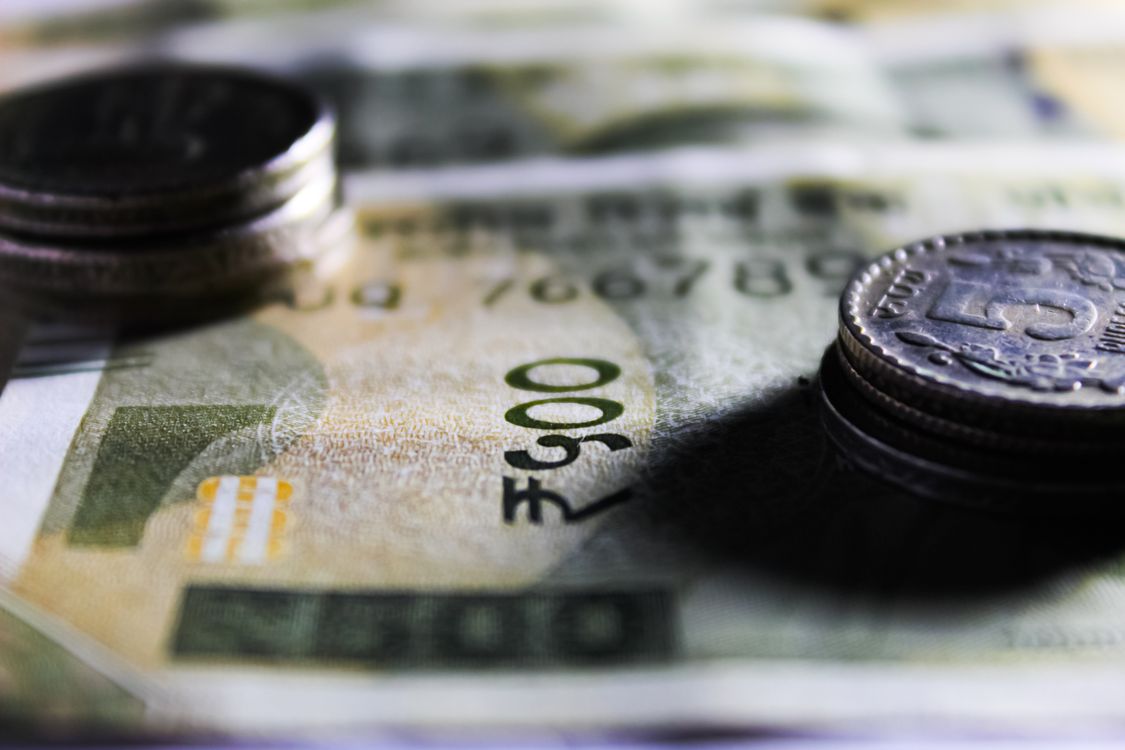
    Indian rupee notes and coins
    Where the rupee stretches, ₹50,000 turns into a real holiday.

    Plan it properly

    Our free AI Itinerary Builder turns any of these into a day-by-day plan with live costs in rupees, and we have full guides for a week in Sri Lanka and more. A travel eSIM keeps you online from the moment you land.

    📶 Travel eSIM
    Stay connected the moment you land
    Skip airport SIM queues and roaming fees. Grab a travel eSIM for your destination and get online the second you arrive, no physical SIM swap needed. Works on the Airalo website and app.
    🎁 Save up to 15% with code GLOBEDUDENEW (new users), or use GLOBEDUDE for 10% off if you already have Airalo
    Browse eSIM plans →
    GlobeDude may earn a commission if you buy through this link, at no extra cost to you. Discount codes valid until 31 Mar 2027.

    Compare flights across dates on Aviasales to lock in the low fare that makes the whole trip fit.

    Frequently asked questions

    Which country can Indians visit cheapest, including flights?
    Nepal. Return flights start around ₹14,000, there is no visa, and daily costs are about ₹2,000, so ₹50,000 can cover a two-week trip. Sri Lanka and Kazakhstan are the next best value.

    Can I really travel abroad for under ₹50,000?
    Yes, for several countries near India, if you book flights early and travel mid-range. Nepal, Sri Lanka, Thailand, Vietnam, Malaysia and Kazakhstan all fit return flights plus a real trip inside ₹50,000 per person.

    Is Thailand still visa-free for this budget?
    Yes. Thailand remains visa-free for Indians in 2026, now for 30 days rather than 60, with no visa fee. That keeps it firmly inside a ₹50,000 budget once you add flights.

    Do these budgets include the visa fee?
    No, they exclude visa and entry fees, which are small for most of these countries, and the Bhutan figure excludes the daily Sustainable Development Fee. Always add those to your plan.

    What is the cheapest month to fly?
    Fares are lowest outside Indian holiday peaks and each country’s high season. Use the GlobeDude Explorer, set flexible dates, and book two to three months ahead for the best value.

    Flight fares, costs and visa rules change and vary by source, season and travel style, so confirm current details before booking. Some links on this page are affiliate links that support GlobeDude at no extra cost to you.
  • What a ₹1 Lakh a Month Income Is Really Worth Around the World (2026)

    What a ₹1 Lakh a Month Income Is Really Worth Around the World (2026)

    In India, a ₹1 lakh a month income is a genuine milestone. It puts you comfortably in the urban middle to upper-middle class, and it feels like real money. But the same ₹1,00,000 buys a wildly different life depending on where you spend it. In some countries it makes you feel rich; in others it barely covers rent. Here is what a ₹1 lakh a month income is actually worth across the world in 2026.

    The idea in one line
    ₹1 lakh a month is about $1,180. Because India is one of the cheaper countries on earth, that amount stretches further at home than in most places, but it still buys a great long-stay life across much of Asia and Latin America. See what your own salary is worth anywhere with the Salary Goes Furthest tool.

    What ₹1 lakh a month feels like, country by country

    The table below shows the lifestyle ₹1 lakh a month buys abroad, expressed as the equivalent monthly amount back home in India, adjusted for local cost of living. Higher means it goes further.

    Country Feels like (vs India) Verdict
    India ₹1,00,000 Upper middle class
    Vietnam ~₹79,000 Feels rich
    Indonesia (Bali) ~₹74,000 Very comfortable
    Georgia ~₹68,000 Very comfortable
    Thailand ~₹65,000 Comfortable
    Mexico ~₹65,000 Comfortable
    Portugal ~₹50,000 Livable, modest
    Dubai (UAE) ~₹38,000 Tight
    United Kingdom ~₹36,000 Tight
    Singapore ~₹32,000 Tight
    United States ~₹26,000 Very tight
    Switzerland ~₹21,000 Very tight

    Where ₹1 lakh a month makes you feel rich

    Across much of Southeast Asia and the Caucasus, a ₹1 lakh monthly income is a genuinely good living. In Vietnam, Bali, Thailand and Georgia, it comfortably covers a nice apartment, eating out often, travel on weekends and savings on top. This is exactly why these places are full of remote workers, because an Indian salary that feels middle-class at home feels upper-class there.

    Where it is comfortable but not luxurious

    In value-friendly parts of Europe and Latin America such as Portugal, Turkey and Mexico, ₹1 lakh a month is livable and pleasant but no longer rich. You can rent a decent flat and enjoy the place, though you will budget more carefully than you would in Asia.

    Where ₹1 lakh a month feels tight

    In the expensive world, the same income shrinks fast. In Dubai, London and Singapore it is a below-average wage that rent alone can swallow, and in the United States, Australia and Switzerland it would be a real struggle. The number on your payslip has not changed, but its power has collapsed.

    The real takeaway

    A salary is only ever as good as where you spend it. A ₹1 lakh a month income can feel wealthy or barely enough depending on the country, which is the whole reason so many Indians now earn in one place and live in another. Want to run your exact salary through this? Use the free Salary Goes Furthest calculator, explore the full map of costs in the Explorer, or see the cheapest countries for remote work.

    Frequently asked questions

    Is ₹1 lakh a month a good salary in India?
    Yes. A 1 lakh rupee monthly income, or 12 lakh a year, places you comfortably in the urban middle to upper-middle class in India, above the large majority of earners.

    Where does a ₹1 lakh a month income go furthest abroad?
    In Vietnam, Bali, Thailand and Georgia it stretches the furthest, feeling like a genuinely rich lifestyle. These low-cost countries are why the amount is popular with remote workers.

    Is ₹1 lakh a month enough to live in Dubai or London?
    It is tight. In Dubai, London or Singapore, 1 lakh rupees a month is a below-average wage that rent can consume, so it is livable only modestly. In the US or Switzerland it would be a struggle.

    How much is ₹1 lakh a month in US dollars?
    Roughly 1,180 US dollars a month, or about 14,000 dollars a year, at current exchange rates. Its real value depends entirely on the local cost of living where you spend it.

    Figures are approximate, based on relative cost of living and current exchange rates, and are meant to illustrate purchasing power rather than give exact salaries. Confirm current costs before making decisions. This guide is AI assisted and reviewed before publishing.

  • The Smartest Way to Send and Spend Money Abroad in 2026 (Skip the Hidden Fees)

    The Smartest Way to Send and Spend Money Abroad in 2026 (Skip the Hidden Fees)

    Most travellers lose more money to fees than they realise. Not the obvious ones, but the quiet markup that banks, airport counters and card networks add every time you spend or move money across a border. Over a single trip it can add up to real money. This guide explains the smartest way to send and spend money abroad in 2026, how the hidden costs work, and the tools that let you keep more of your cash.

    This is general money information to help you plan, not financial advice, so choose what fits your own situation. To see live exchange rates and what your currency is worth in any country, use the Explorer currency layer before you travel.

    The hidden costs of money abroad

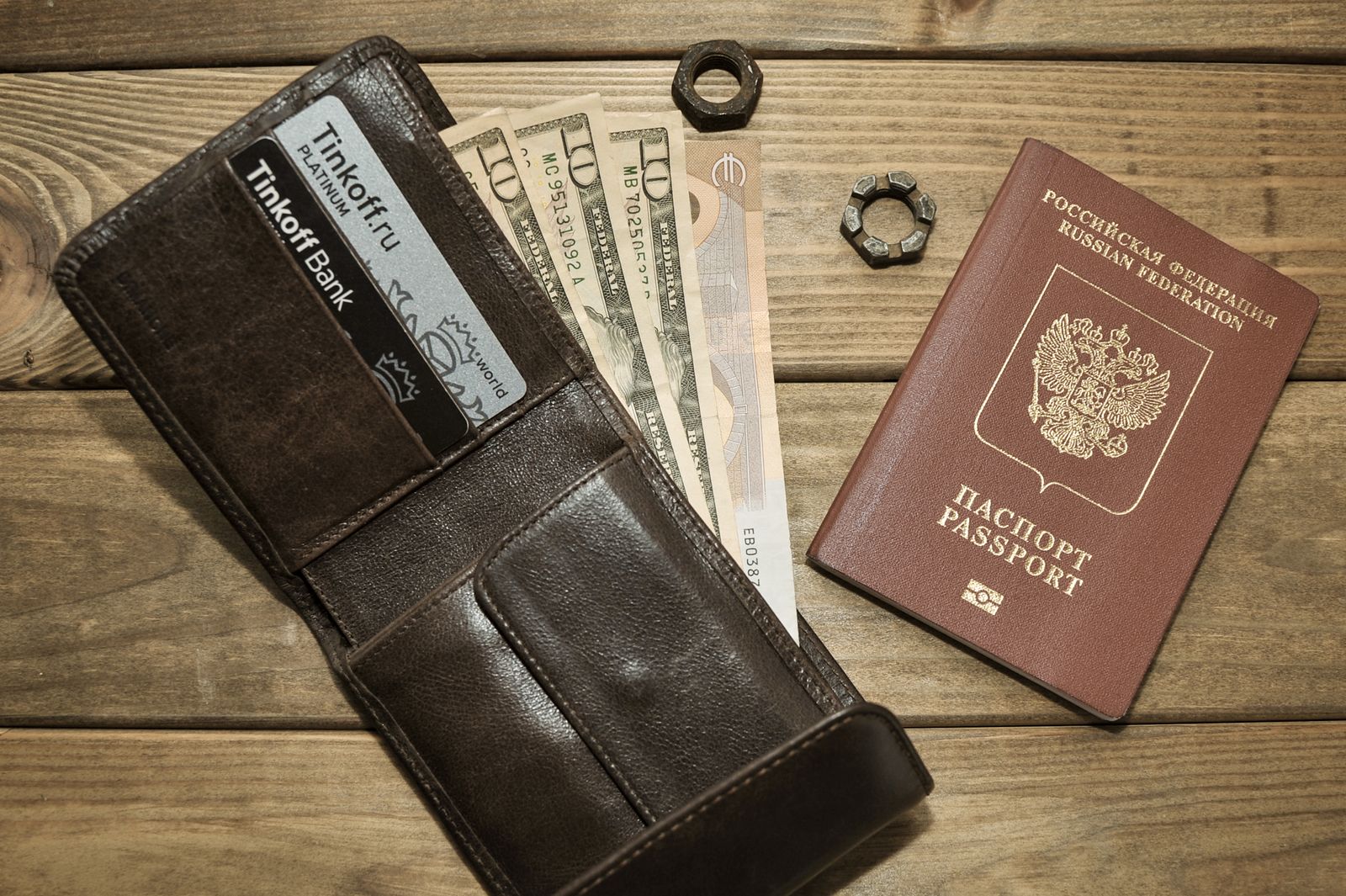
    Travel money, passport and cards

    There are three places you quietly lose money when you cross a border:

    1. The exchange-rate markup. The rate you see on the news is the mid-market rate, the real one. Most banks and exchange counters give you a worse rate and pocket the difference. It can be 2 to 5 percent or more, and it is invisible because it is baked into the rate, not shown as a fee.

    2. Dynamic currency conversion. When a shop or ATM abroad asks if you want to pay in your home currency instead of the local one, say no and always choose local. Paying in your home currency lets their system set a terrible rate. This one habit saves travellers a lot.

    3. Flat and ATM fees. Foreign transaction fees, ATM withdrawal fees and transfer fees stack up quickly, especially on many small purchases.

    See the real rate first

    Before you spend, know what the honest rate is. Enter your currency and an amount below to see what it is worth around the world.

    The tools that beat the banks

    A multi-currency account and card (Wise)

    The simplest fix for most travellers is a multi-currency account with a linked debit card. Wise is one of the most popular, because it uses the real mid-market rate and charges a small, transparent fee instead of a hidden markup. You can hold dozens of currencies, spend on the card wherever you are, and withdraw from ATMs with low fees. It is also excellent for receiving payments if you work remotely or get paid from abroad.

    Get the version for your home currency:

    Wise for US dollars (USD) · Wise for euros (EUR) · Wise for British pounds (GBP) · Wise for Australian dollars (AUD) · Wise for Japanese yen (JPY)

    For travellers from India

    Indian travellers face steep forex markup and TCS on many cards. A dedicated travel and forex card built for India, such as Scapia, is designed to avoid markup on international spends and comes with travel rewards, which suits frequent flyers and holiday travellers heading abroad from India.

    When to use a specialist transfer

    If you are sending a larger amount home or paying an overseas bill, a specialist transfer through a service like Wise almost always beats a traditional bank wire on both rate and fee. Compare the total amount that actually arrives, not just the headline fee, because the exchange-rate markup is where banks make the real money.

    A simple money-abroad checklist

    Do these five things and you will keep most of your money:

    1. Carry one low-markup card that uses the real exchange rate, and keep a backup card separately.

    2. Always pay and withdraw in the local currency, never your home currency.

    3. Withdraw larger amounts less often to reduce ATM fees, and use bank ATMs rather than the standalone machines in tourist zones.

    4. Avoid airport and hotel exchange counters, which offer the worst rates anywhere.

    5. Check the real rate first in the Explorer or Salary tool so you know when you are being overcharged.

    Plan the rest of your trip

    Saving on money is one piece of a cheaper trip. Compare destinations by cost, visa and season in the Explorer, find a cool getaway with the Escape Season tool, book value stays on the GlobeDude hotel search, and catch cheap fares by staying flexible on flight dates.

    Stay connected to manage your money abroad: a travel eSIM keeps you online to check rates, approve app payments and use maps the moment you land, with no roaming bill.

    📶 Travel eSIM
    Stay connected the moment you land
    Skip airport SIM queues and roaming fees. Grab a travel eSIM for your destination and get online the second you arrive, no physical SIM swap needed. Works on the Airalo website and app.
    🎁 Save up to 15% with code GLOBEDUDENEW (new users), or use GLOBEDUDE for 10% off if you already have Airalo
    Browse eSIM plans →
    GlobeDude may earn a commission if you buy through this link, at no extra cost to you. Discount codes valid until 31 Mar 2027.

    Frequently asked questions

    What is the cheapest way to spend money abroad?
    Use a card that charges the real mid-market exchange rate with low or no foreign transaction fees, such as a Wise multi-currency card, and always pay in the local currency. This avoids the hidden markup that banks and airport counters add.

    Should I pay in my home currency or the local currency abroad?
    Always choose the local currency. When a terminal or ATM offers to charge you in your home currency, that is dynamic currency conversion, and it uses a poor rate set by the machine. Paying in local currency lets your own card give you a much better rate.

    Is Wise better than a bank for sending money abroad?
    For most transfers, yes. Services like Wise use the real exchange rate and charge a small transparent fee, while banks often hide a 2 to 5 percent markup in a worse rate. Always compare the final amount that arrives, not just the stated fee.

    What is the best travel card for Indians going abroad?
    Indian travellers usually want a forex or travel card built to avoid markup on international spends, such as Scapia. Compare the markup, any annual fee, ATM charges and rewards, and always read the current terms before applying.

    How much can I really save by avoiding forex markup?
    Often 2 to 5 percent or more on everything you spend abroad, plus separate ATM and transaction fees. On a longer trip or a big transfer, that easily adds up to a meaningful amount, which is why the tool you use matters.

    How do I know the real exchange rate before I travel?
    Check the mid-market rate in the GlobeDude Explorer or Salary tool. Enter your currency and an amount, and it shows the live rate and what your money actually buys, so you can spot when a bank or counter is overcharging you.

    This article is general information, not financial advice. Products, fees and terms change, so review the current details with each provider before signing up. Some links above are affiliate links that support GlobeDude at no extra cost to you.
  • How Far Does $1,000 Go Around the World in 2026? (What Your Cash Really Buys in 30 Countries)

    How Far Does $1,000 Go Around the World in 2026? (What Your Cash Really Buys in 30 Countries)

    A thousand US dollars stretches furthest in South Asia, lasting a full month in India, Nepal or Sri Lanka, and disappears fastest in Switzerland, Norway and Iceland, where it may cover only three to four days. It is the same number everywhere, but it buys wildly different lives depending on where you spend it. In one country it is a comfortable month of rent, food and fun. In another it barely covers three nights and a few dinners. This guide shows how far 1,000 dollars goes around the world in 2026, from the places where your cash stretches furthest to where it vanishes fastest, so you can plan smarter trips and see the real value of money globally.

    Every figure below is a realistic estimate for a traveller. To see the exact purchasing power of any amount, in your own currency, plug a number into the Explorer currency layer or the Salary tool and it will convert and compare live.

    See what your money buys live

    Enter your home currency and an amount in the widget below to see what it is worth around the world right now.

    Where $1,000 buys the most: a full month or more

    India, Nepal and Sri Lanka

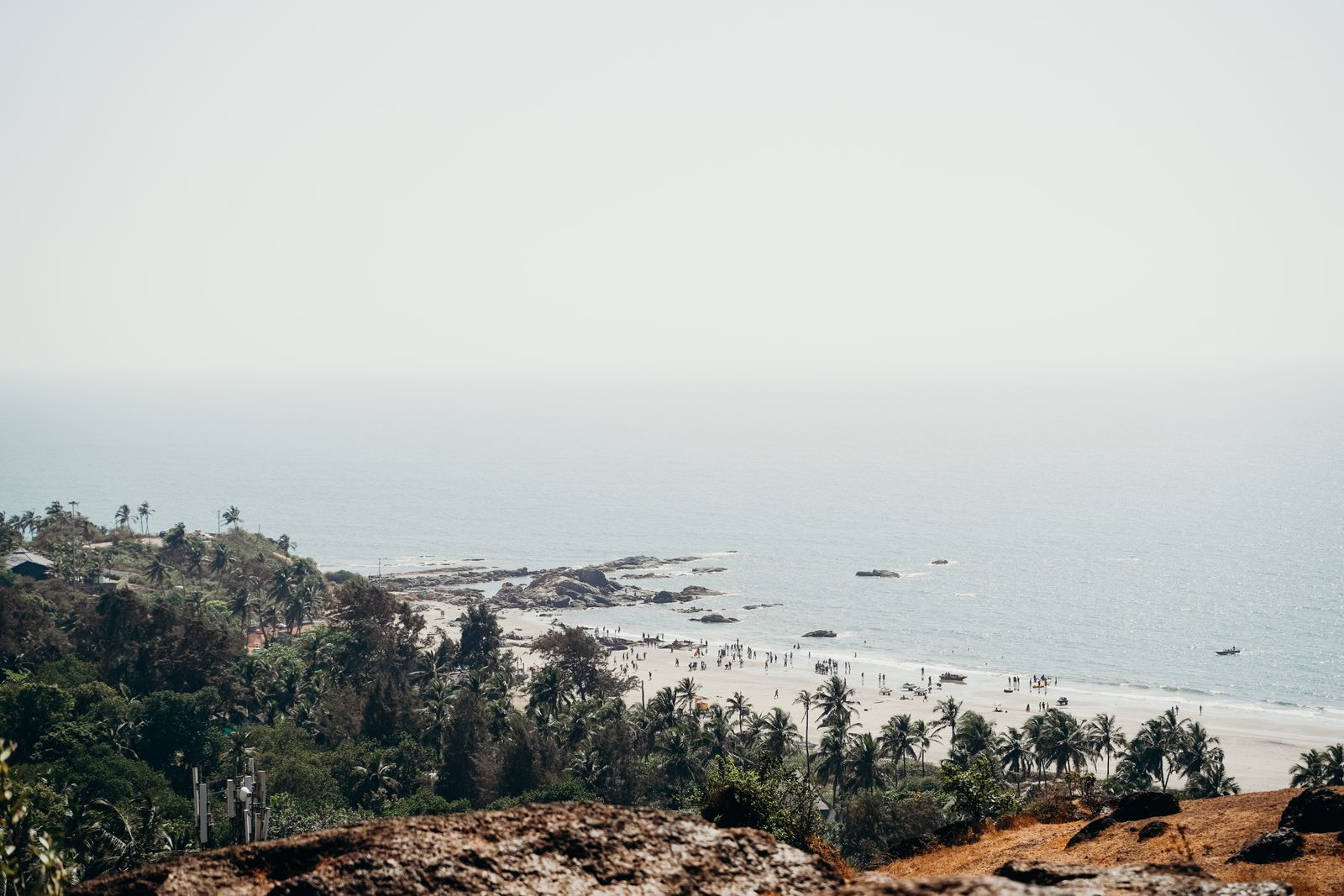
    Beach in Goa, India

    South Asia is where a thousand dollars feels like a small fortune. In much of India, Nepal or Sri Lanka, 1,000 US dollars covers a comfortable month of living including budget accommodation, all your meals, local transport and plenty of sightseeing. As a traveller it can mean roughly 30 nights in decent guesthouses, or hundreds of local meals. This is the global gold standard for value.

    Vietnam and Indonesia

    Ha Long Bay, Vietnam

    In Vietnam and across much of Indonesia, 1,000 dollars stretches to about three to four weeks of comfortable travel, or a full modest month if you stay put. Think a nice room, daily street food feasts, coffee, and money left over for trips and activities. Find stays in Bali on Agoda.

    Thailand, Philippines and Cambodia

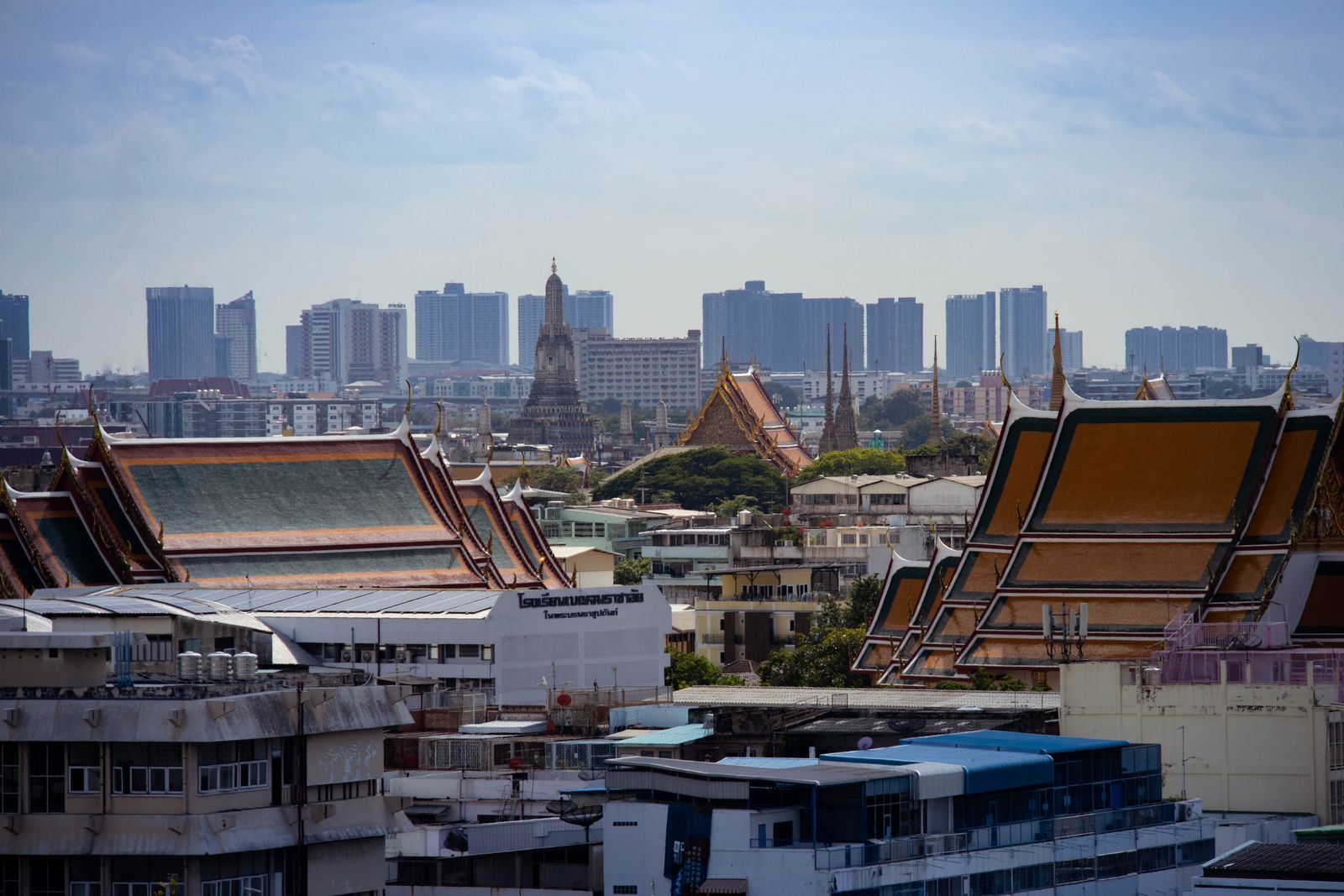
    Temple in Thailand

    Southeast Asia keeps delivering. A thousand dollars in Thailand, the Philippines or Cambodia buys roughly two and a half to three weeks of good travel, with mid-range hotels, island hopping and great food. Find stays in Bangkok on Agoda.

    Great value: two to three weeks

    Turkey, Egypt and Morocco

    Mosque in Istanbul, Turkey

    Around the Mediterranean and North Africa, 1,000 dollars gives you roughly two to three weeks of rich travel. Turkey in particular is superb value, with historic cities, incredible food and comfortable hotels that go easy on your budget.

    Mexico, Colombia and Peru

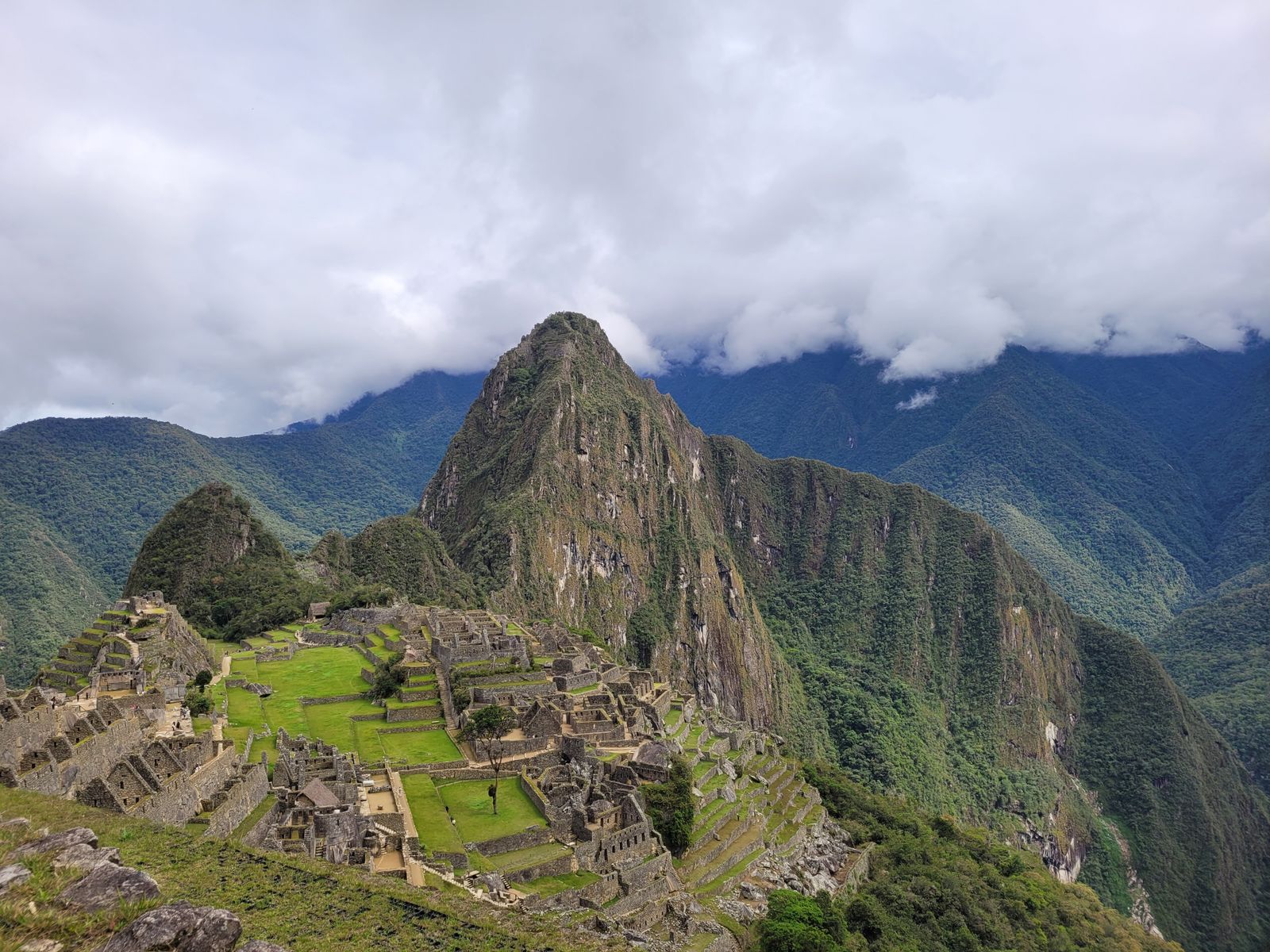
    Machu Picchu in Peru

    In Latin America, a thousand dollars typically funds about two weeks of great travel, covering mid-range stays, excellent food and activities like ruins, hikes and city life. Colombia and Peru are especially generous on value.

    Eastern Europe and Georgia

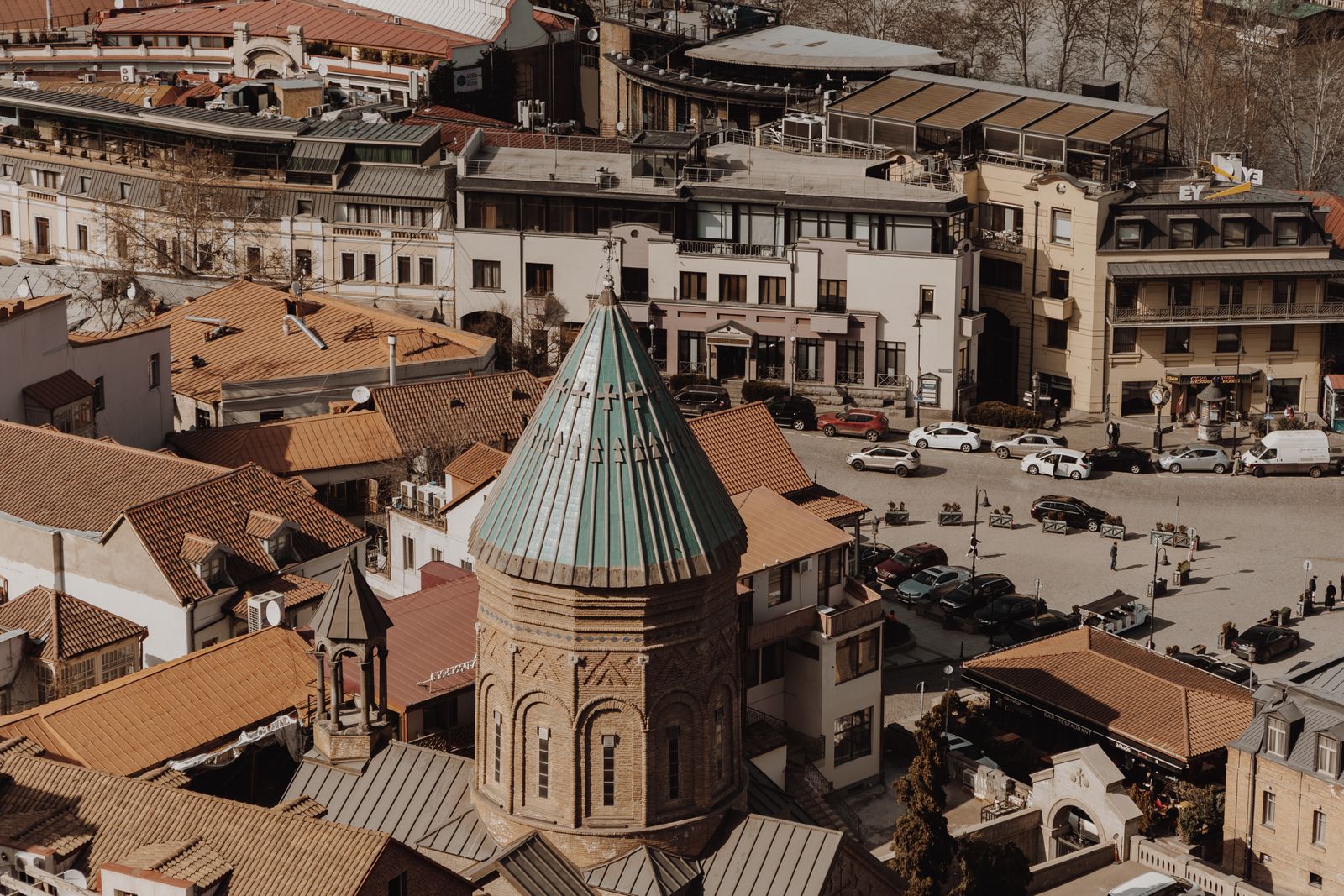
    Tbilisi old town, Georgia

    Countries like Georgia, Romania, Bulgaria and Albania let a thousand dollars run for around two to three weeks, with charming cities, mountains and wine at a fraction of Western European prices.

    Moderate: about a week to ten days

    Portugal, Spain and Greece

    Santorini blue domes, Greece

    Southern Europe is the sweet spot for value in the West. A thousand dollars covers roughly one to one and a half weeks of comfortable travel, with good hotels, great food and beaches or historic cities. It is the best bang for your buck in the Eurozone.

    Japan and South Korea

    Mount Fuji, Japan

    East Asia is more affordable than many expect. In Japan or South Korea, 1,000 dollars supports about a week of travel including clean, efficient hotels, superb food and excellent public transport. Value has improved further with recent exchange-rate shifts.

    Where $1,000 disappears fast: a few days

    United States, United Kingdom and Australia

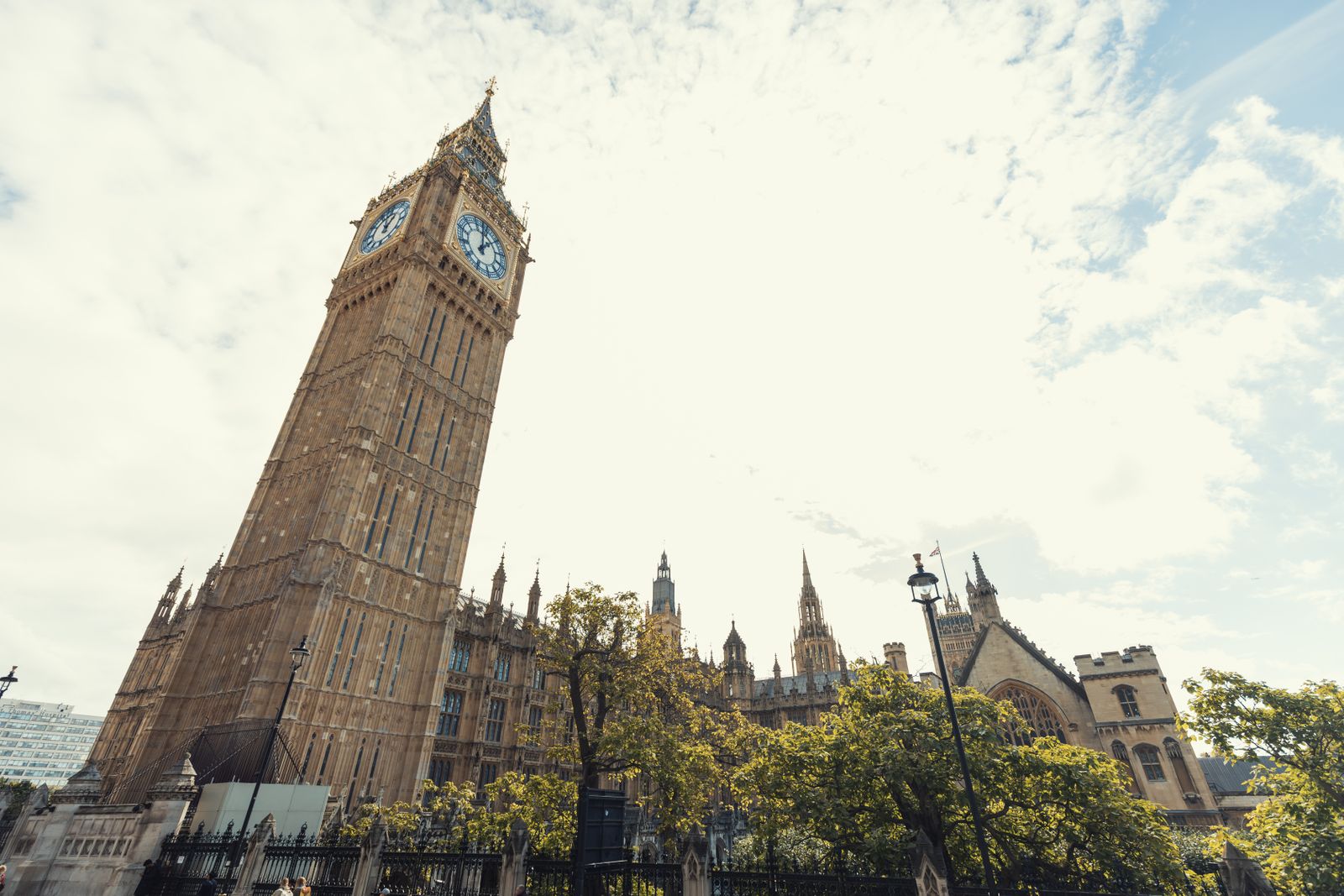
    Big Ben and Westminster Palace in London

    In big Western economies, a thousand dollars goes quickly. Expect around four to six days of mid-range city travel once you count hotels, food and transport in places like New York, London or Sydney. Find stays in London on Agoda.

    Switzerland, Norway and Iceland

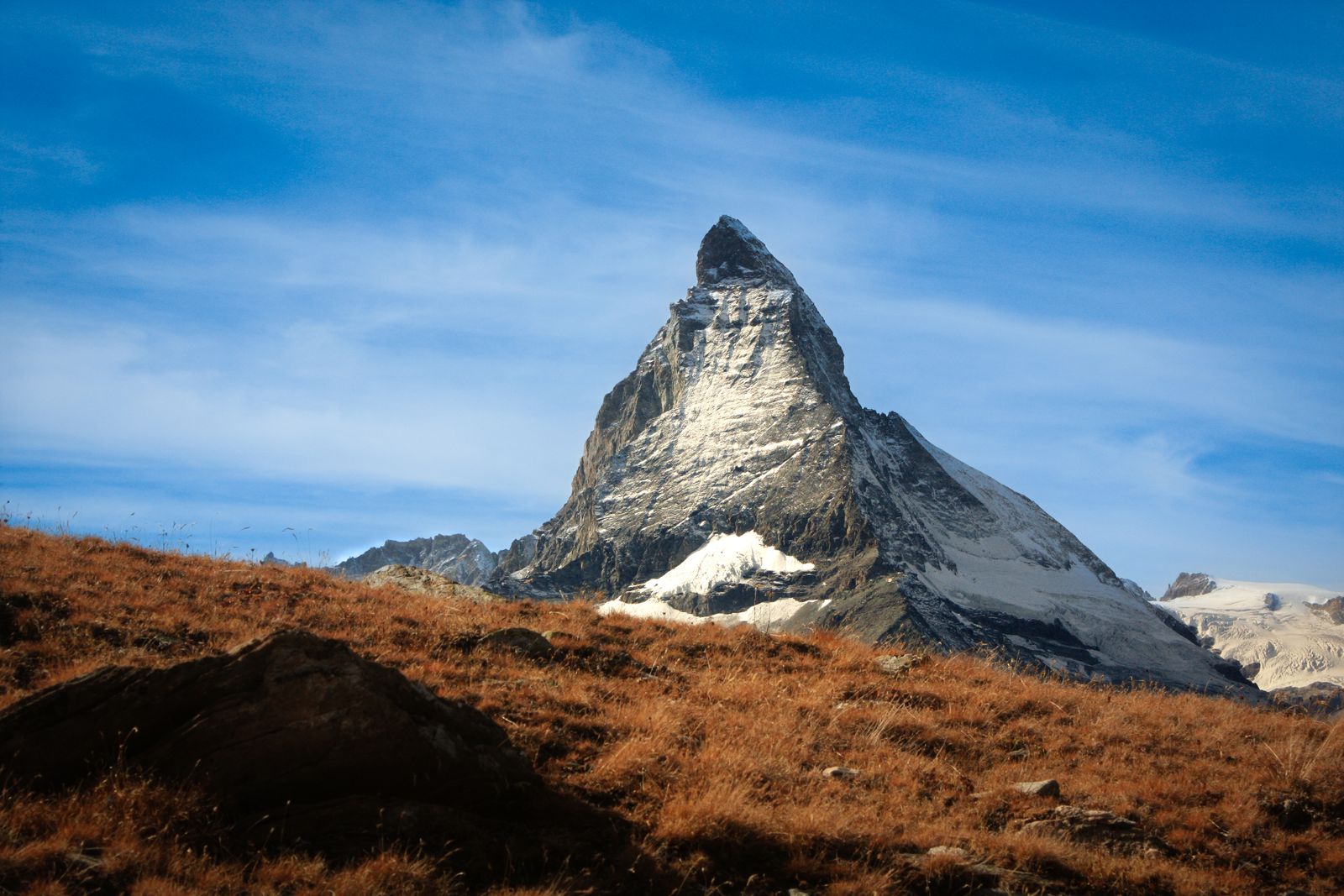
    The Matterhorn peak in Switzerland

    The most expensive countries on earth make a thousand dollars feel small. In Switzerland, Norway or Iceland, that budget may only cover three to four days once you add pricey hotels, restaurant meals and transport. Stunning, but tough on the wallet, so plan carefully.

    How to make your money go further

    Compare before you go: use the Explorer and Salary tools to see the real purchasing power of your cash in every country, in your own currency.

    Spend at the real exchange rate: banks and airport counters quietly add a markup. A Wise account gives you the mid-market rate and low fees, so more of your thousand dollars actually reaches your trip.

    Book smart: lock in value hotels early with the GlobeDude hotel search, and stay flexible on flight dates to catch the cheapest days.

    One cheap essential before you fly: a travel eSIM. For a few dollars you land with working data instead of paying steep roaming rates or hunting for a local SIM.

    📶 Travel eSIM
    Stay connected the moment you land
    Skip airport SIM queues and roaming fees. Grab a travel eSIM for your destination and get online the second you arrive, no physical SIM swap needed. Works on the Airalo website and app.
    🎁 Save up to 15% with code GLOBEDUDENEW (new users), or use GLOBEDUDE for 10% off if you already have Airalo
    Browse eSIM plans →
    GlobeDude may earn a commission if you buy through this link, at no extra cost to you. Discount codes valid until 31 Mar 2027.

    Book tours and tickets: lock in skip-the-line entry, day trips and guided experiences before you go, so you spend your time exploring rather than queuing. Browse tours and activities on GetYourGuide.

    Frequently asked questions

    Where does $1,000 go the furthest in 2026?
    In South Asia. India, Nepal and Sri Lanka give you the most, where 1,000 US dollars can cover a full comfortable month of travel or living. Southeast Asia, led by Vietnam and Indonesia, is a close second with three to four weeks.

    Where does $1,000 disappear fastest?
    In the world’s priciest countries. Switzerland, Norway and Iceland can burn through 1,000 dollars in just three to four days, and big Western cities like New York, London and Sydney last only four to six days at a mid-range pace.

    How is purchasing power different from the exchange rate?
    The exchange rate only tells you how many units of local currency you get. Purchasing power tells you what those units actually buy in meals, nights and transport, which is what matters for travel. The Explorer currency layer shows both.

    How many days can I travel on $1,000?
    It depends entirely on the country. Roughly a month in India, three weeks in Vietnam, two weeks in Mexico or Turkey, one week in Southern Europe or Japan, and just three to six days in Switzerland, Norway or major Western cities.

    Does using a travel card really save money abroad?
    Yes, often more than people expect. Banks and airport exchanges add a hidden markup on top of the real rate. A low-fee account like Wise uses the mid-market rate, which can save a meaningful chunk of a 1,000 dollar budget over a full trip.

    How can I check what my own currency is worth in another country?
    Use the GlobeDude Explorer or Salary tool. Enter your amount and home currency, and it converts to any country at the live rate and shows what that money actually buys there, so you can plan realistically.

    All figures are approximate estimates for planning and vary by city, season and travel style. Exchange rates change constantly, so check live values before you travel. Some links above are affiliate links that support GlobeDude at no extra cost to you.
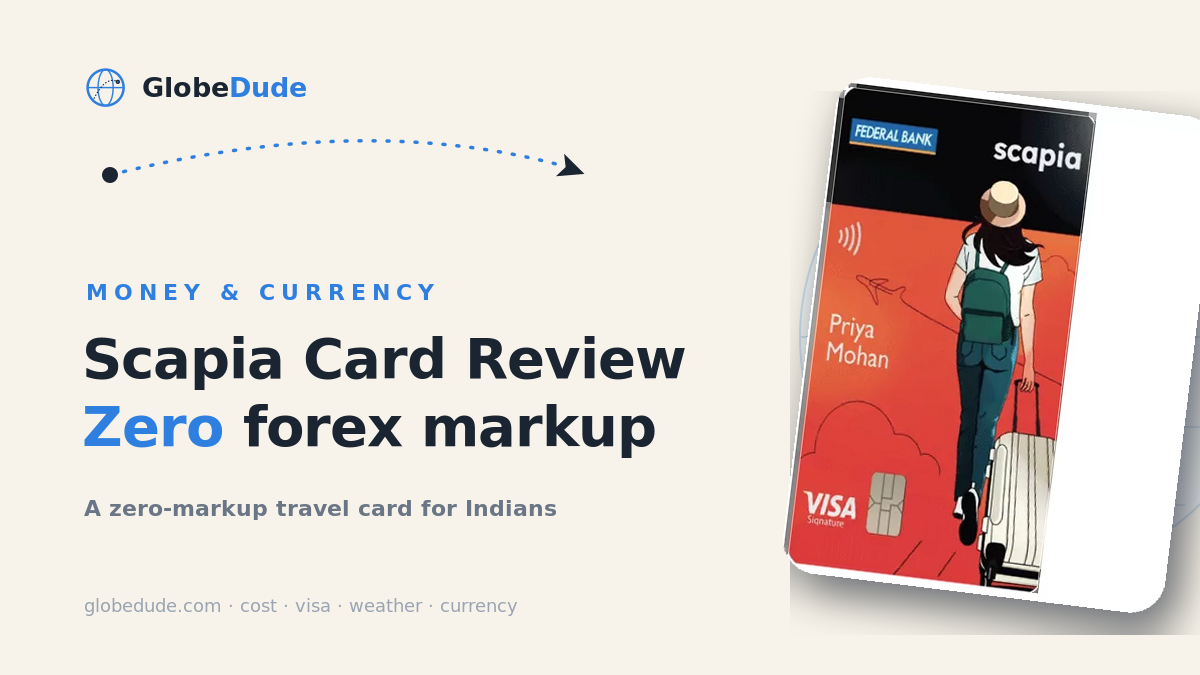
  • Scapia Card Review 2026: A Zero-Forex-Markup Travel Card for Indians

    Scapia Card Review 2026: A Zero-Forex-Markup Travel Card for Indians

    Short answer: Most Indian cards quietly add 2 to 3.5% forex markup plus fees on every overseas spend. The Scapia credit card charges zero forex markup and adds travel rewards, which makes it one of the most travel-friendly cards for Indians in 2026. Terms change, so always confirm the latest before applying.

    If you travel abroad from India, the biggest silent cost is not flights or hotels. It is the forex markup baked into almost every card swipe and ATM withdrawal overseas. This guide breaks down that cost, how the Scapia card removes it, and whether it is worth it for you.

    Heads up: this post contains an affiliate referral link. GlobeDude may earn a reward if you apply through it, at no extra cost to you. This is general information, not financial advice, so check Scapia’s current terms and pick what suits you.

    (more…)

  • Where Your Money Goes Furthest in 2026

    Where Your Money Goes Furthest in 2026

    Short answer: In 2026 your money goes furthest in Vietnam, Indonesia, India, Thailand and Mexico, where daily costs are a fraction of Western prices. The exact multiple depends on where you are now, so set your own country in the live widgets below.

    Exchange rates only tell half the story. What matters is purchasing power, how much life you can actually buy. Type your income into the Salary tool to see where it stretches furthest, or read on for the countries that win in 2026.

    (more…)

GlobeDude