Category: Visa Guides

  • Thailand Visa Rules for Indians in 2026: Still Visa-Free, But Now 30 Days (Full Guide)

    Thailand Visa Rules for Indians in 2026: Still Visa-Free, But Now 30 Days (Full Guide)

    Thailand is still visa-free for Indian passport holders in 2026, but the free stay has been cut from 60 days to 30 days. After a brief proposal in May 2026 to scrap visa-free entry and move Indians to a paid visa-on-arrival, Thailand reversed course in July and kept India on its 30-day visa-free list. So you can still land in Bangkok with no visa, no fee and no prior application, you just get 30 days instead of 60. Here is the full timeline of what changed, exactly how to enter now, what a trip costs, and your options if you want to stay longer.

    Thailand for Indians in 2026, at a glance
    Visa: visa-free (visa exemption), no fee, no application · Stay: 30 days, down from 60 · Extension: once, by another 30 days, at a Thai immigration office · Also required: the online Thailand Digital Arrival Card (TDAC) before you land. Rules can change, so confirm the live rule in the GlobeDude Explorer or with official Thai immigration before you fly.
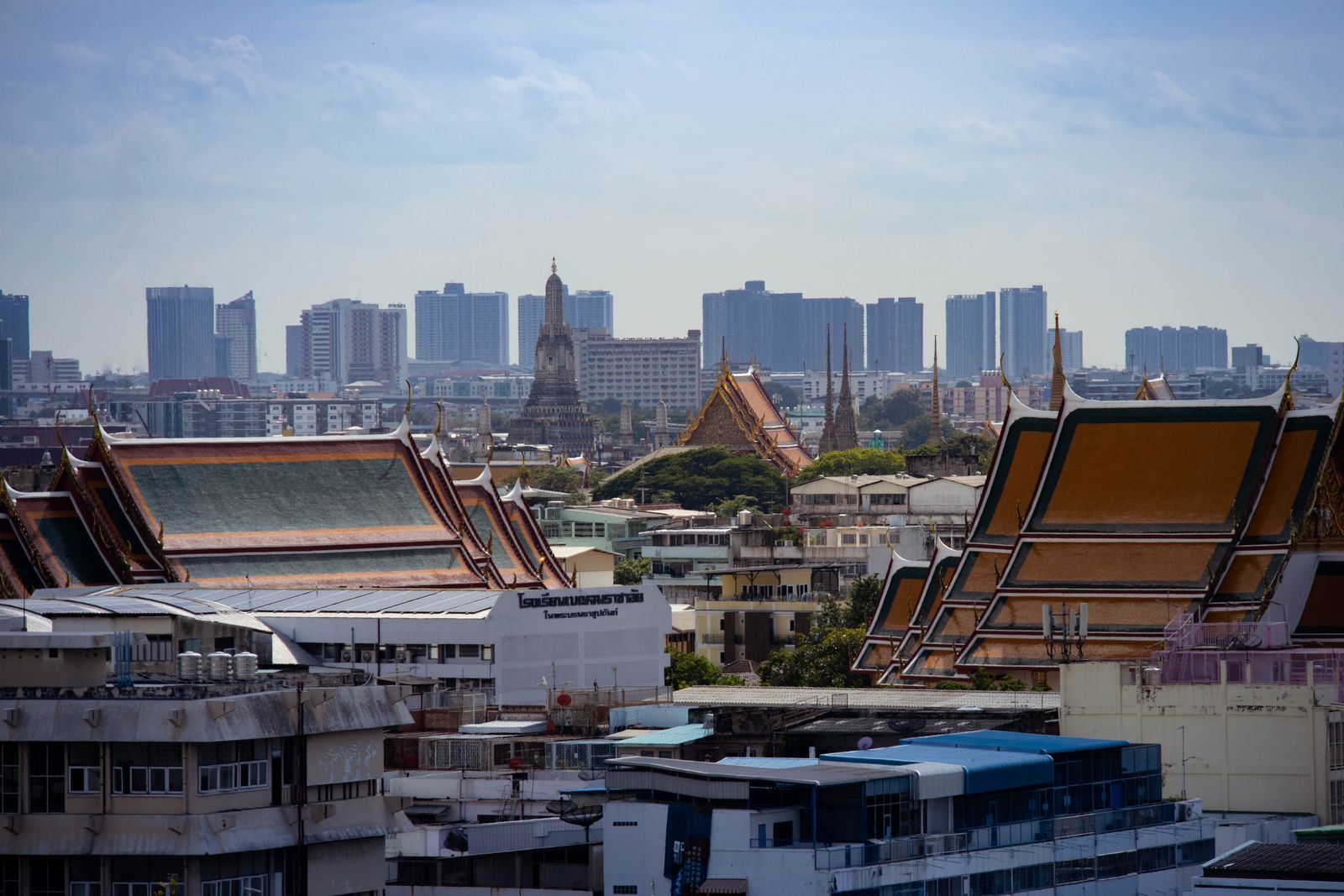
    Bangkok skyline and temples, Thailand
    Bangkok is still a no-visa arrival for Indians, now for up to 30 days.

    What actually changed in 2026: the full timeline

    The confusion this year was real, because the policy moved twice. Here is the sequence, so you know exactly where things landed.

    July 2024: Thailand gave Indian tourists a generous 60-day visa-free stay, extendable by a further 30 days, part of a push to attract more visitors after the pandemic.

    May 2026: the Thai Cabinet approved a plan to tighten the scheme. Under the proposal, Indians would have lost visa-free entry and moved to a visa-on-arrival with a much shorter permitted stay. This is the version that spread across social media and worried a lot of travellers.

    July 2026: after a measurable dip in Indian arrivals, one of Thailand’s largest tourist markets, the Cabinet reversed the harshest part and formally added India to the 30-day visa-free list. That is the rule in force now: still visa-free, still no fee, just capped at 30 days rather than 60.

    So if you read a headline saying Thailand ended visa-free entry for Indians, it is out of date. The accurate 2026 position is a reduced visa-free stay, not a removal.

    So is Thailand still worth it?

    Absolutely. Thailand remains the single easiest and best-value first trip abroad for most Indians. A comfortable mid-range day costs around ₹3,400, and even less if you eat at street stalls and use local transport. The only practical change is the 30-day cap, which matters if you were planning a long, slow two-month stay. For the classic one to three week trip that most people actually take, nothing has changed except the paperwork.

    What 30 days in Thailand actually gets you

    Thirty days is more than enough for a rich trip. A common route is a few days in Bangkok for temples, markets and rooftop bars, then north to Chiang Mai for mountains, elephants and cooler air, and finally south to the islands, Krabi, Phuket or Koh Samui, for beaches and diving. You could spend two relaxed weeks on that loop and still have time to spare.

    If you want it mapped out day by day with live costs in rupees, see our full 7-day Thailand itinerary, or build your own length in the free AI Itinerary Builder.

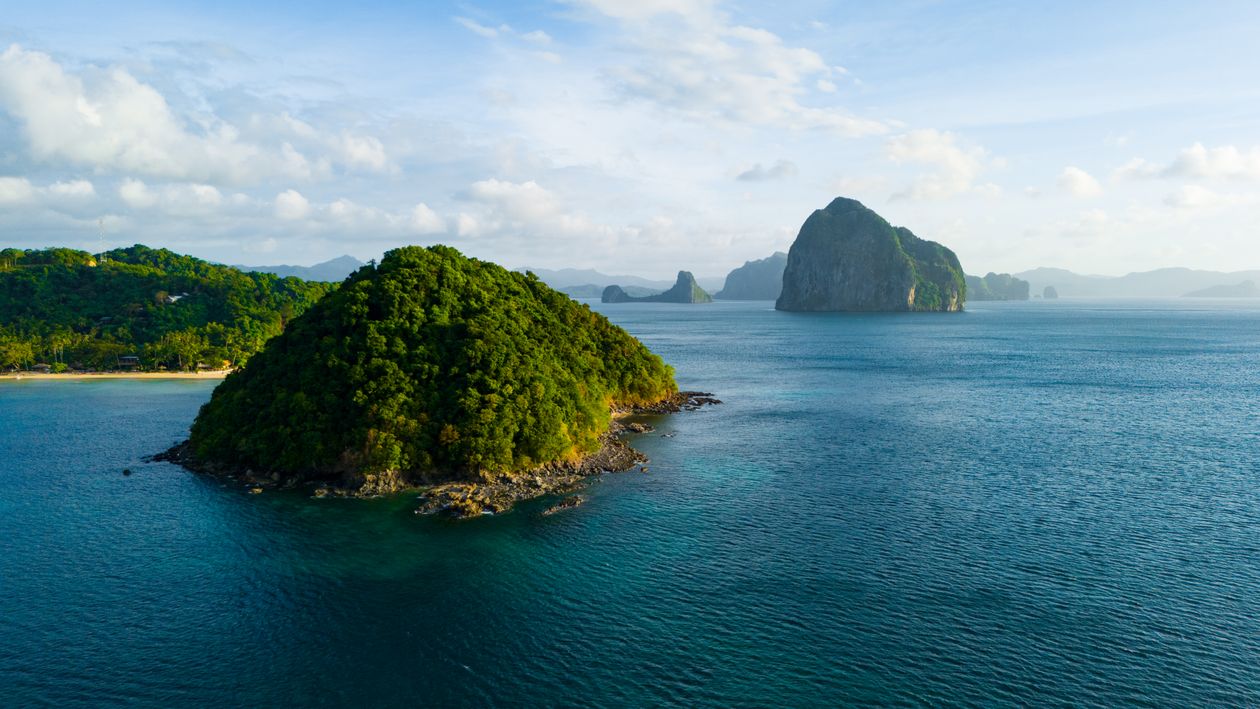
    Thai islands with limestone cliffs and turquoise sea
    Thirty days is plenty for Bangkok, Chiang Mai and the southern islands.

    How to enter Thailand as an Indian in 2026, step by step

    The process is simple, but there are a few things to get right so you are not turned back at immigration.

    1. Check your passport. It must be valid for at least six months from your date of entry.

    2. Fill the Thailand Digital Arrival Card (TDAC). This is the online arrival card that replaced the old paper form. Complete it on the official Thai immigration portal within three days before you arrive. It is free, and you should avoid copycat sites that charge a fee.

    3. Have proof of onward travel. Officers can ask for a return or onward ticket within your 30-day window, so book it before you fly.

    4. Carry proof of funds. Thailand can ask visa-exempt visitors to show access to a minimum amount of money per person. It is rarely checked, but keep a card or cash to be safe.

    5. Get your 30-day stamp on arrival. No fee, no application. If you need longer, you can extend once by another 30 days at a Thai immigration office for a small fee.

    What a Thailand trip costs from India

    Thailand is still one of the best-value destinations you can reach from India. Rough per-person figures for a mid-range trip:

    Expense Approx per day
    Guesthouse or mid-range hotel ₹1,500
    Food (street and casual) ₹700
    Local transport ₹500
    Activities and entries ₹700
    Comfortable mid-range day ~₹3,400

    Return flights from major Indian cities to Bangkok usually run about ₹18,000 to ₹28,000 depending on the season and how early you book. Compare your income against Thai prices in the Salary Goes Furthest tool.

    If you want to stay longer than 30 days

    You have two easy options. First, extend once by another 30 days at a Thai immigration office for a small fee, which gets you to 60 days in total. Second, if you want a longer, slower trip, pair Thailand with a nearby country that is also visa-free or visa-on-arrival for Indians. These six are the best value and easiest to combine:

    Country Entry for Indians Approx / day
    Malaysia Visa-free, 30 days (till Dec 2026) ₹3,800
    Nepal Free, no visa ₹2,000
    Sri Lanka Quick online ETA ₹2,800
    Indonesia (Bali) Visa on arrival, 30 days ₹3,800
    Cambodia e-visa / on arrival ₹3,000
    Kazakhstan Visa-free, 14 days ₹3,800
    Kuala Lumpur skyline, Malaysia
    Malaysia pairs perfectly with Thailand and is visa-free for Indians for 30 days.

    Malaysia is the natural add-on. It is genuinely visa-free for Indians for 30 days through 2026, flights between Bangkok and Kuala Lumpur are cheap, and you can chain a Thailand beach trip with Malaysian food and islands into one long holiday. See our Malaysia visa-free guide. For the full regional picture, read our visa-free Southeast Asia guide for Indian passports.

    Stay connected

    A travel eSIM gets you Google Maps, Grab and messaging working the moment you land at Bangkok or Phuket airport, cheaper than airport roaming and easier than hunting for a local SIM.

    📶 Travel eSIM
    Stay connected the moment you land
    Skip airport SIM queues and roaming fees. Grab a travel eSIM for your destination and get online the second you arrive, no physical SIM swap needed. Works on the Airalo website and app.
    🎁 Save up to 15% with code GLOBEDUDENEW (new users), or use GLOBEDUDE for 10% off if you already have Airalo
    Browse eSIM plans →
    GlobeDude may earn a commission if you buy through this link, at no extra cost to you. Discount codes valid until 31 Mar 2027.

    Pay at the real rate: a Wise account lets you spend Thai baht without the markup, and you can compare flights to Bangkok across dates.

    Frequently asked questions

    Is Thailand visa-free for Indians in 2026?
    Yes. Thailand remains visa-free for Indian passport holders in 2026, with no visa and no fee needed on arrival. The only change is the length of stay, which has been reduced from 60 days to 30 days.

    Did Thailand move Indians to visa-on-arrival?
    A May 2026 proposal to do exactly that was scrapped. In July 2026 Thailand added India to its 30-day visa-free list, so no visa-on-arrival and no fee are required for stays up to 30 days.

    How long can Indians stay in Thailand now?
    Up to 30 days visa-free, and you can extend once by another 30 days at a Thai immigration office for a small fee, for 60 days in total. For longer stays, apply for a tourist visa in advance.

    Do Indians need to fill an arrival card for Thailand?
    Yes. You must complete the online Thailand Digital Arrival Card (TDAC) within three days before you arrive. It is free on the official portal, so avoid third-party sites that charge for it.

    Is Thailand still cheap to visit from India?
    Yes. A comfortable mid-range day runs about ₹3,400, and budget travellers spend far less. The 2026 change affects the length of stay, not the prices, so Thailand is still excellent value.

    Visa rules and costs change and vary by source, season and travel style, so confirm current details with official government sources before booking. Some links on this page are affiliate links that support GlobeDude at no extra cost to you.

  • Visa-Free Countries in Southeast Asia for Indian Passport Holders (2026)

    Visa-Free Countries in Southeast Asia for Indian Passport Holders (2026)

    Southeast Asia is the single best region in the world for an Indian passport. Almost all of it is open with either no visa, a visa on arrival, or a quick e-visa, and it is also the best value travel anywhere, with beaches, temples and street food a short, cheap flight from home. Here is exactly where an Indian passport can go across the region in 2026, how long you can stay, and the two rules worth double-checking before you fly.

    The short version
    Thailand and Malaysia are visa-free, Indonesia, Cambodia and Laos give a visa on arrival, and Vietnam, Myanmar and Cambodia have easy e-visas. Only Singapore, the Philippines and Brunei need a visa arranged first. Check your live rule for any country in the GlobeDude Explorer.

    Southeast Asia visa rules for Indians in 2026

    Country For Indian passports Max stay
    Thailand Visa-free (exemption) Up to 60 days
    Malaysia Visa-free (MDAC required) 30 days
    Indonesia (Bali) Visa on arrival 30 days, extendable once
    Cambodia e-visa or visa on arrival 30 days
    Laos Visa on arrival 30 days
    Vietnam e-visa (apply online first) Up to 90 days
    Myanmar e-visa (apply online first) 28 days
    Timor-Leste Visa on arrival 30 days
    Singapore Visa required (easy e-visa) 30 days
    Philippines Visa required* 30 days
    Brunei Visa required Varies

    *The Philippines allows 14 days visa-free if you already hold a valid visa or residence permit for the US, UK, Japan, Australia, Canada, Schengen or Singapore. Otherwise apply for an e-visa first.

    The easy wins: no visa needed

    Thailand currently gives Indians a generous visa exemption of up to 60 days, making Bangkok, the north and the islands wide open. Malaysia is visa-free for 30 days through the end of 2026, with only the free MDAC arrival card to fill. These two are the simplest first trips, and both are covered in detail in our Thailand itinerary and Malaysia visa-free guide.

    Visa on arrival: pay and go

    Indonesia gives Indians a 30-day visa on arrival, extendable once, which is all you need for Bali and beyond. Cambodia and Laos also stamp you in on arrival for 30 days, so Angkor Wat and the slow Mekong towns need no advance paperwork. Carry US dollars in cash and a passport photo to speed these up.

    e-Visa: quick online form

    Vietnam is the one to arrange before you fly, with an easy 90-day e-visa applied for on the official government portal, not a third-party site. Myanmar also uses an e-visa. Both take a few days, so apply about a week ahead. Plan Vietnam with our 7 day Vietnam itinerary.

    The two rules to double-check

    First, Thailand’s exemption is generous but not permanent, and the allowance has changed before, so confirm the current length in the Explorer before you book. Second, for Malaysia the MDAC is separate from being visa-free and must be filled within 3 days of arrival. Miss it and you can be held up at immigration.

    What it costs and when to go

    This is the cheapest region on earth to travel well, from around ₹2,500 a day in Vietnam to ₹3,800 in Bali or Malaysia, so ₹1 lakh lasts three to five weeks. The mainland (Thailand, Vietnam, Cambodia, Laos) is best from November to February, Bali from April to October, and the whole region works around fares and festivals. See where your rupee stretches furthest in the best-value visa-free countries guide.

    Stay connected the moment you land with a travel eSIM, essential when maps and ride-hailing are how you get around every city here.

    📶 Travel eSIM
    Stay connected the moment you land
    Skip airport SIM queues and roaming fees. Grab a travel eSIM for your destination and get online the second you arrive, no physical SIM swap needed. Works on the Airalo website and app.
    🎁 Save up to 15% with code GLOBEDUDENEW (new users), or use GLOBEDUDE for 10% off if you already have Airalo
    Browse eSIM plans →
    GlobeDude may earn a commission if you buy through this link, at no extra cost to you. Discount codes valid until 31 Mar 2027.

    Book smart: tours and day trips, a Wise account to spend at the real rate across multiple currencies, SafetyWing cover for scooters and island boats, and cheap regional flights between countries.

    Frequently asked questions

    Which Southeast Asian countries are visa-free for Indians?
    Thailand and Malaysia are visa-free for Indian passport holders. Indonesia, Cambodia and Laos give a visa on arrival, and Vietnam and Myanmar have easy e-visas. Only Singapore, the Philippines and Brunei require a visa arranged in advance.

    Can Indians visit Thailand without a visa in 2026?
    Yes. Thailand currently offers Indian passport holders a visa exemption of up to 60 days. The allowance has changed in the past, so confirm the current length before you book.

    Do Indians need a visa for Bali?
    Indians get a 30-day visa on arrival for Indonesia, which covers Bali, and it can be extended once. You pay the fee at the airport on arrival.

    Is Singapore visa-free for Indians?
    No. Singapore requires Indian passport holders to hold a visa, though it is a straightforward e-visa applied for through authorised agents before travel.

    What is the cheapest Southeast Asian country to visit from India?
    Vietnam is the best value, from around 2,500 rupees a day, followed by Cambodia and Laos. Thailand, Bali and Malaysia are slightly higher but still excellent value. Compare live costs in the GlobeDude Explorer.

    Visa rules and stay limits change and can differ by entry point, so always confirm current requirements with each country’s official immigration website before booking. This guide is AI assisted and reviewed before publishing. Some links above are affiliate links that support GlobeDude at no extra cost to you.

  • Malaysia Is Visa-Free for Indians in 2026: Full Guide (30 Days, MDAC and Costs)

    Malaysia Is Visa-Free for Indians in 2026: Full Guide (30 Days, MDAC and Costs)

    Malaysia has quietly become one of the easiest and best-value international trips an Indian passport holder can take. For the whole of 2026, Indians can enter visa-free for up to 30 days, no visa sticker, no e-visa and no application before you fly. Kuala Lumpur, Penang, Langkawi and Borneo are all open with nothing more than a passport and one free online form. Here is exactly how it works, the one step most travellers miss, and what a trip actually costs.

    Malaysia for Indian passports, at a glance
    Visa-free for up to 30 days · valid until 31 December 2026 · you must fill the free MDAC arrival card within 3 days of travel · passport valid 6+ months · carry a return or onward ticket. Check your live passport rule for any country in the GlobeDude Explorer.

    Do Indians need a visa for Malaysia in 2026?

    No. Under Malaysia’s visa exemption for Indian nationals, you can enter visa-free for tourism, business, social visits or transit for stays of up to 30 days per visit. The waiver runs until 31 December 2026, so every trip you take this year is covered. There is no fee, no sticker and nothing to apply for in advance. You simply arrive, show your passport and get a 30-day stamp.

    The one step you must not skip: the MDAC

    This is where people get caught out. Visa-free entry does not remove the Malaysia Digital Arrival Card (MDAC), a short online declaration every foreign visitor must submit within 3 days before arrival. It is free and takes a few minutes. Being visa-free and filling the MDAC are two separate things, and you need both.

    Fill it only on the official Malaysian immigration MDAC portal, never a copycat site that charges a fee. You will need your passport details, flight number and where you are staying the first night. Save or screenshot the confirmation before you fly.

    Entry requirements checklist

    Keep these ready and entry is straightforward:

    Passport Valid at least 6 months from arrival, with a blank page
    MDAC Submitted online within 3 days before arrival (free)
    Return ticket Confirmed onward or return flight within 30 days
    Proof of stay Hotel booking or host address for the first nights
    Funds Enough for your stay, occasionally checked

    What you can and cannot do

    The 30 days start from your arrival stamp and cannot be extended inside Malaysia, so plan your exit before day 30. The waiver covers tourism, business meetings, social visits and transit. It does not cover paid work or study, which need the correct visa or pass arranged in advance. If you want longer than 30 days, you leave and re-enter, but do not treat that as a way to live there.

    What a Malaysia trip costs for Indians

    Malaysia is genuinely good value, roughly ₹3,500 to ₹4,000 a day for comfortable mid-range travel covering a decent hotel, meals, local transport and sightseeing, so about ₹1 lakh stretches to nearly a month on the ground. Backpackers do it for far less, and hawker-centre food is both cheap and superb. Return flights from major Indian cities are frequent and often among the cheapest international fares going. See how far your rupee goes against any country in the Explorer, or read our guide to the best-value visa-free countries for Indians.

    Best time to visit

    Peninsular Malaysia (Kuala Lumpur, Penang, Langkawi) is warm and humid year round, with the west coast driest from December to February and June to August. The east coast and Borneo see heavier monsoon rain from November to February. There is no truly bad time, so travel around fares and festivals rather than weather.

    Plan the trip

    Turn Malaysia into a day-by-day plan with real costs in your own currency using the free AI Itinerary Builder. A few things worth locking in early:

    Stay online on arrival: a travel eSIM gets you maps and ride-hailing the moment you land, before you find a local SIM.

    📶 Travel eSIM
    Stay connected the moment you land
    Skip airport SIM queues and roaming fees. Grab a travel eSIM for your destination and get online the second you arrive, no physical SIM swap needed. Works on the Airalo website and app.
    🎁 Save up to 15% with code GLOBEDUDENEW (new users), or use GLOBEDUDE for 10% off if you already have Airalo
    Browse eSIM plans →
    GlobeDude may earn a commission if you buy through this link, at no extra cost to you. Discount codes valid until 31 Mar 2027.

    Book stays and tours: hotels in Kuala Lumpur and tours and day trips are cheap and best booked ahead in peak season.

    Spend at the real rate: a Wise account lets you pay and withdraw ringgit at the true exchange rate. Cover the trip with SafetyWing, and compare flights to Malaysia across dates.

    Frequently asked questions

    Is Malaysia visa-free for Indians in 2026?
    Yes. Indian passport holders can enter Malaysia visa-free for up to 30 days per visit, under a waiver valid until 31 December 2026. You still need to fill the free MDAC arrival card before you travel.

    What is the MDAC and is it mandatory?
    The Malaysia Digital Arrival Card is a free online declaration every visitor must submit within 3 days before arriving. It is mandatory and separate from your visa-free status, so being visa-free does not remove it. Fill it only on the official immigration portal.

    How long can Indians stay in Malaysia without a visa?
    Up to 30 days per visit. The period starts from your arrival stamp and cannot be extended inside the country, so book your onward travel within 30 days.

    Can I work in Malaysia on visa-free entry?
    No. Visa-free entry is only for tourism, business visits, social visits and transit. Paid work or study requires the correct visa or pass arranged before you travel.

    How much does a trip to Malaysia cost from India?
    Around 3,500 to 4,000 rupees a day for comfortable mid-range travel, excluding flights, so roughly a month on 1 lakh rupees. It is one of the best-value destinations open to Indian passports. Compare live costs in the GlobeDude Explorer.

    Visa rules can change, so always confirm current requirements with the official Malaysian immigration website and the MDAC portal before you book. This guide is AI assisted and reviewed before publishing. Some links above are affiliate links that support GlobeDude at no extra cost to you.

  • Visa-Free and Cheap: Best-Value Countries for Indian Passport Holders in 2026

    Visa-Free and Cheap: Best-Value Countries for Indian Passport Holders in 2026

    The Indian passport had a good year. In the 2026 Henley Passport Index it climbed roughly 10 places, and Indians can now enter around 56 destinations visa-free, on arrival, or with a simple e-visa, including new additions like Malaysia and Kazakhstan. But a stronger passport only matters if you can actually afford the trip. So we did the story nobody else does: we took the countries you can enter without a visa and ranked them by how far your money goes, to find where an Indian passport is both powerful and cheap.

    The Indian passport in 2026, at a glance
    Up roughly 10 places in the year · around 56 visa-free, visa-on-arrival and e-visa destinations · newest wins: Malaysia (30 days visa-free) and Kazakhstan (14 days visa-free). Ranking figures are from the Henley Passport Index; exact counts vary by source and change through the year, which is why we keep a live passport and cost checker rather than a list that goes stale.

    The 10 best-value visa-free countries for Indians in 2026

    Ranked by how long ₹1 lakh realistically lasts on a comfortable mid-range budget (accommodation, food, local transport and sightseeing), for countries an Indian passport enters with no prior visa. Costs are approximate and vary by season and style.

    # Country Visa for Indians Approx / day ₹1 lakh lasts
    1 Nepal
    Himalayas on a shoestring
    Free, no visa ₹2,000 ~50 days
    2 Vietnam
    Best all-round value
    e-visa ₹2,500 ~40 days
    3 Sri Lanka
    Beaches and hills, close to home
    Quick ETA ₹2,800 ~36 days
    4 Cambodia
    Angkor Wat
    e-visa / on arrival ₹3,000 ~33 days
    5 Laos
    Slow, cheap and scenic
    Visa on arrival ₹3,000 ~33 days
    6 Thailand
    Beaches, food, easy first trip
    Visa-free / on arrival ₹3,400 ~29 days
    7 Indonesia (Bali)
    Islands and culture
    Visa on arrival ₹3,800 ~26 days
    8 Malaysia
    City and nature, English-friendly
    Visa-free (30 days) ₹3,800 ~26 days
    9 Kazakhstan
    Underrated Central Asia
    Visa-free (14 days) ₹3,800 ~26 days*
    10 Kenya
    Safari bucket list
    Visa-free (eTA) ₹5,000 ~20 days

    *Kazakhstan allows a 14-day visa-free stay, so the budget lasts longer than the permitted trip. Daily figures are approximate mid-range costs and exclude international flights.

    Check your own passport and budget

    Rules change through the year and your costs depend on how you travel. Set your home country and daily budget in the GlobeDude Explorer to see, live, where your passport goes visa-free and how far your money stretches in each country. For the full country-by-country breakdown, see our complete 2026 visa-free list for Indian passports.

    Newly unlocked in 2026

    Malaysia is the headline win, offering Indians 30-day visa-free entry for tourism, which pairs Kuala Lumpur, Penang and Borneo with some of the best-value travel in the region. Kazakhstan added a 14-day visa-free stay, opening up Almaty and the mountains and lakes around it, still almost unknown to Indian travellers. Both sit near the top of the value table, which makes them the smart trips to book first.

    Visa-free, but save up: the pricier picks

    Not every visa-free country is cheap. The Maldives gives Indians a free 30-day visa on arrival but runs on resort prices, Mauritius and Seychelles are visa-free island escapes at a premium, and Gulf stops like Qatar offer visa-free entry but a higher daily spend. Worth it, just plan the budget.

    Plan the trip

    Ready to go deeper? Our free AI Itinerary Builder lays out day-by-day plans with real costs in your own currency, and our detailed guides cover a week in Thailand, a week in Vietnam and more. A travel eSIM keeps you online the moment you land, which matters most when maps and ride-hailing apps are how you get around.

    📶 Travel eSIM
    Stay connected the moment you land
    Skip airport SIM queues and roaming fees. Grab a travel eSIM for your destination and get online the second you arrive, no physical SIM swap needed. Works on the Airalo website and app.
    🎁 Save up to 15% with code GLOBEDUDENEW (new users), or use GLOBEDUDE for 10% off if you already have Airalo
    Browse eSIM plans →
    GlobeDude may earn a commission if you buy through this link, at no extra cost to you. Discount codes valid until 31 Mar 2027.

    Frequently asked questions

    How many countries can Indians visit visa-free in 2026?
    Around 56 destinations, counting visa-free, visa-on-arrival and e-visa access together, according to the 2026 Henley Passport Index. The exact figure shifts through the year as countries change their rules, so always confirm your specific destination before booking.

    Which visa-free country is cheapest for Indian travellers?
    Nepal is the cheapest, needing no visa at all and costing roughly ₹2,000 a day, so ₹1 lakh can stretch to around 50 days. Vietnam, Sri Lanka, Cambodia and Laos are the next best value, all visa-free or easy e-visa.

    What new countries did the Indian passport unlock in 2026?
    The most notable additions are Malaysia, with 30-day visa-free entry for tourism, and Kazakhstan, with a 14-day visa-free stay, along with movement on Thailand and several Caribbean and African nations.

    Is Thailand still visa-free for Indians?
    Thailand has offered Indian tourists visa-free and visa-on-arrival entry, but the exact allowance and end dates change, so check the live rule in the GlobeDude Explorer or with official Thai immigration before you fly.

    Passport ranking figures are from the Henley Passport Index. Visa rules and costs change and vary by source, season and travel style, so confirm current details with official government sources before booking. Some links on this page are affiliate links that support GlobeDude at no extra cost to you.

  • Visa-Free Countries for US Passport Holders in 2026

    Visa-Free Countries for US Passport Holders in 2026

    Short answer: A US passport gets you into around 180 destinations without a visa in advance, either visa-free or with visa on arrival, including most of Europe, the UK, Japan, South Korea and nearly all of Latin America. Check any country live below.

    The US passport is one of the strongest in the world. This guide covers where you can go with no advance visa, plus where you will need a visa on arrival or a quick eVisa. Check any destination for your passport in the Explorer’s Passport mode.

    (more…)

  • Visa-Free Countries for Indian Passport Holders in 2026 (Full List, Visa-on-Arrival and e-Visa)

    Visa-Free Countries for Indian Passport Holders in 2026 (Full List, Visa-on-Arrival and e-Visa)

    In 2026, Indian passport holders can enter around 56 destinations without arranging a visa in advance, through a mix of fully visa-free entry, visa on arrival and simple electronic travel authorisations. The Indian passport keeps getting stronger, now sitting in the mid-70s on the Henley Passport Index, up sharply over the last two years. Recent wins include longer visa-free windows in Thailand, Sri Lanka and Kazakhstan, and Kenya and Rwanda dropping advance visas for Indian tourists.

    This guide breaks down the visa-free countries for Indian passport holders in 2026 into three clear buckets, visa-free, visa on arrival, and e-visa or ETA, and highlights the best picks in each. Because rules change often, treat this as a starting map and then confirm the exact, current rule for your trip in the GlobeDude Explorer passport layer, and finally with the official embassy before you book.

    Check your passport access live

    The widget below shows visa access from your passport. Set your country to India to see where you can go with little or no paperwork.

    Fully visa-free countries for Indians

    These destinations let Indian passport holders enter without arranging anything in advance. Just book a flight and a hotel and go.

    Thailand

    Temple in Thailand

    Thailand is the star pick. Indian tourists can currently enter visa-free for stays of up to 60 days, which makes it perfect for a long beach and city holiday across Bangkok, Phuket and Chiang Mai. It is affordable, easy and endlessly popular with Indian travellers. Find hotels in Bangkok on Agoda.

    Sri Lanka

    Beach in Sri Lanka

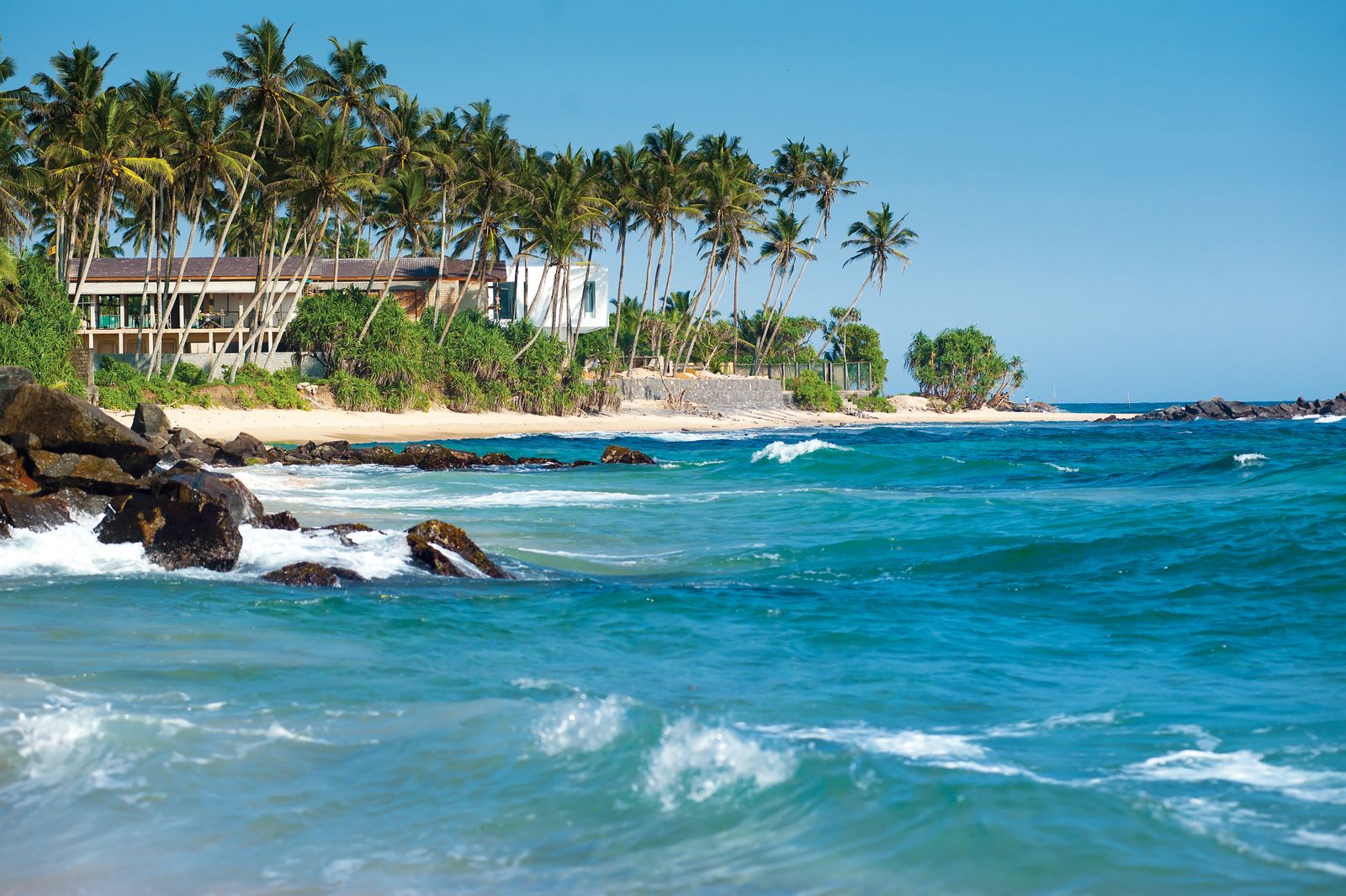
    Sri Lanka offers Indians a very easy entry through its low-cost ETA, and has been running generous exemption windows. It is close, cheap and packed with beaches, tea country and ancient sites, making it an ideal short international break from India.

    Malaysia

    Kuala Lumpur skyline, Malaysia

    Malaysia is visa-free for Indian tourists for stays of up to 30 days under its current exemption. Kuala Lumpur, Penang and Langkawi give you cities, food and islands in one trip. Find hotels in Kuala Lumpur on Agoda.

    Maldives

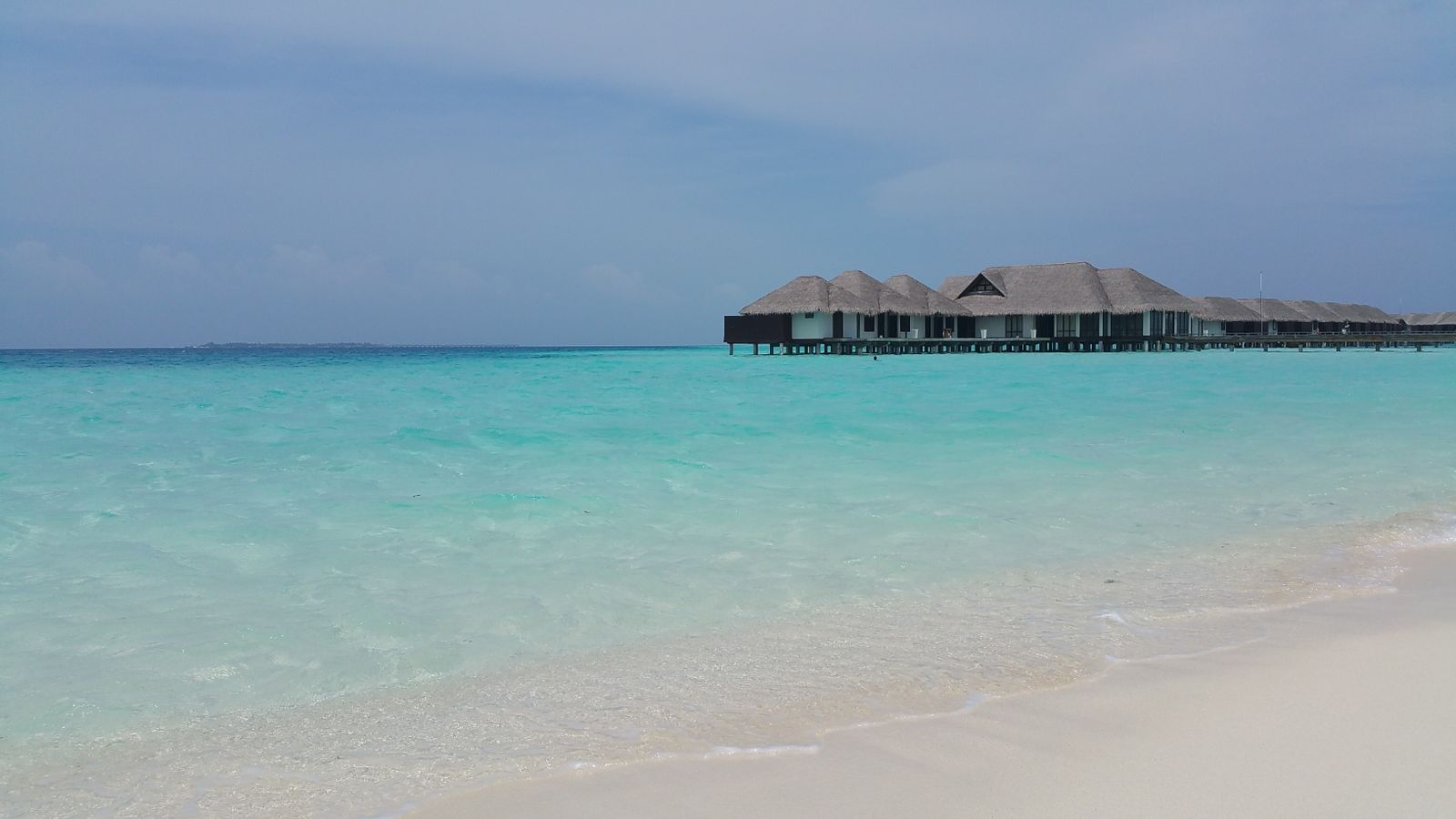
    Maldives beach and turquoise water

    The Maldives grants a free visa on arrival to all visitors, including Indians, usually for 30 days. It is the go-to honeymoon and luxury beach escape, and it is only a short flight away.

    Mauritius, Nepal and Bhutan

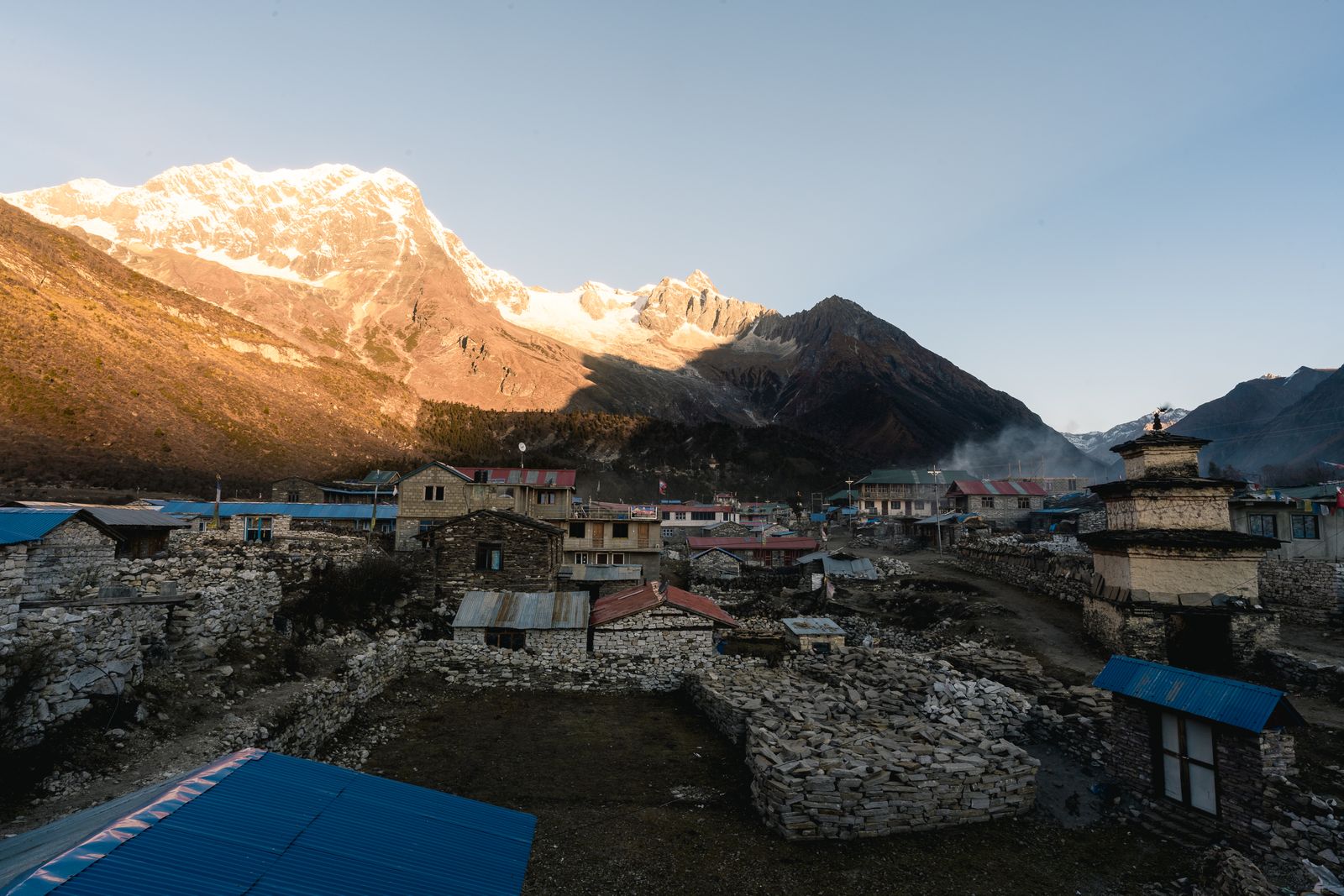
    Himalaya mountains in Nepal

    Mauritius allows visa-free entry for Indians for up to 90 days, ideal for beaches and a relaxed island pace. Nepal and Bhutan are effectively open to Indian citizens with minimal formalities, giving you the Himalayas almost as easily as domestic travel.

    Caribbean and island nations

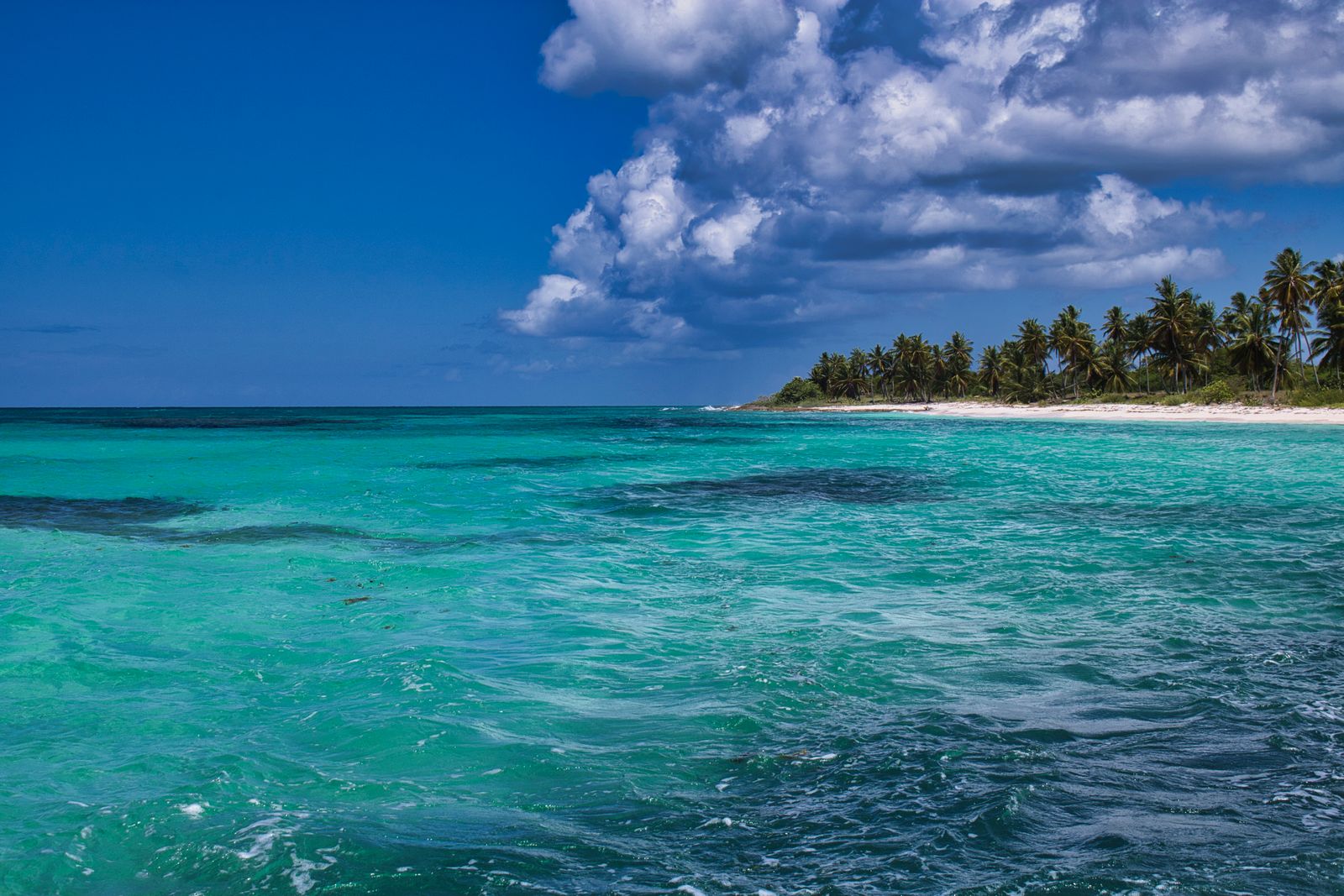
    Caribbean beach with turquoise water

    Several island nations welcome Indians visa-free or with easy entry, including Barbados, Dominica, Grenada, Haiti, Trinidad and Tobago, Jamaica, Fiji and the Cook Islands. They are far, but they are genuinely paperwork-light for a bucket-list trip.

    Visa on arrival for Indian passport holders

    Here you do not arrange a visa before travel, you get it stamped when you land. Carry return tickets, hotel bookings and sometimes proof of funds.

    Indonesia

    Temple in Bali, Indonesia

    Indonesia offers Indians a visa on arrival, which covers Bali, Jakarta and beyond. Bali alone justifies the trip with beaches, culture and strong value for money. Find hotels in Bali on Agoda.

    Jordan, Laos, Cambodia and more

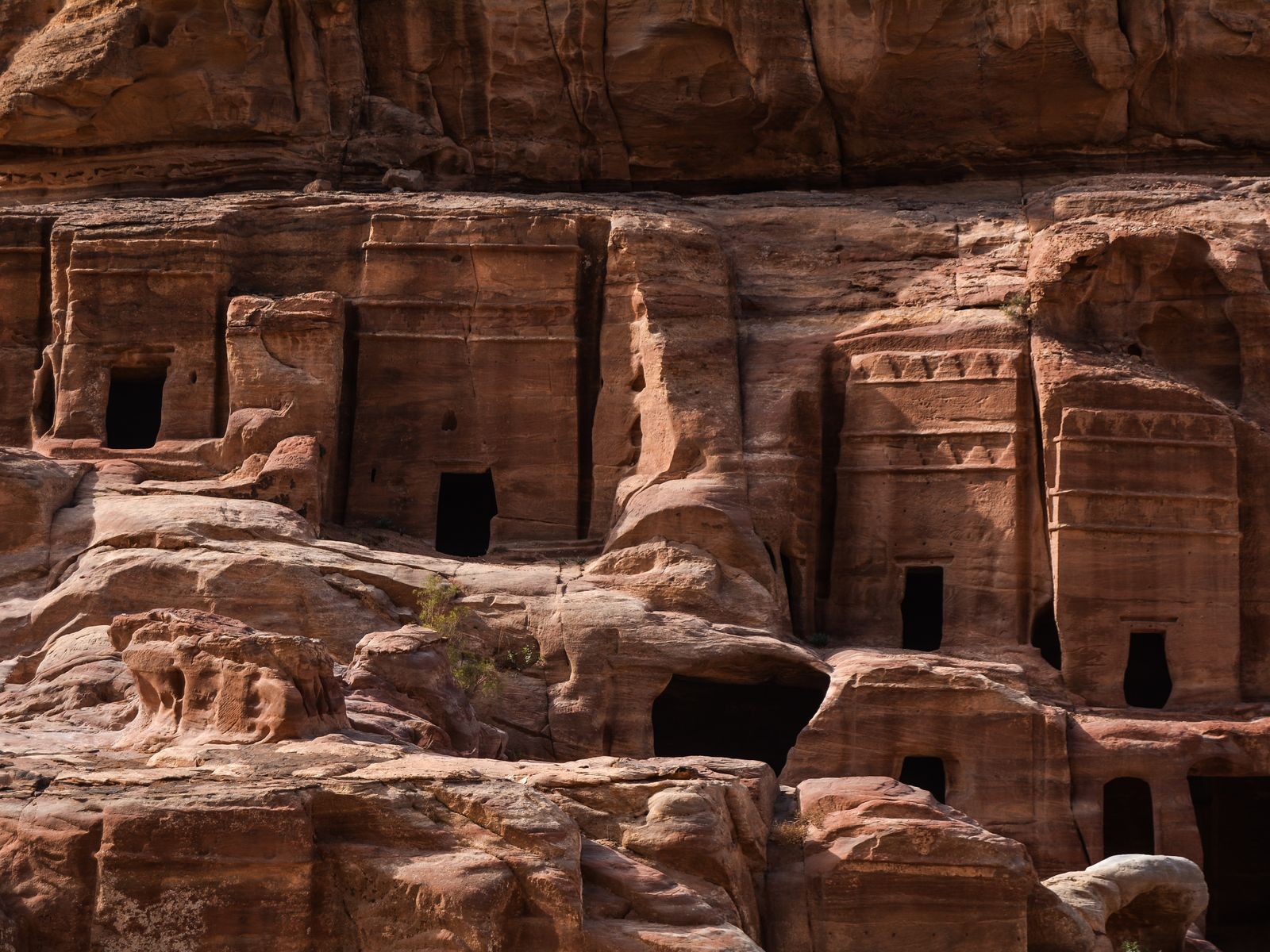
    Petra in Jordan

    Jordan gives visa on arrival and unlocks Petra, Wadi Rum and the Dead Sea. Laos and Cambodia both offer easy visa on arrival for temples, rivers and low-cost travel across Southeast Asia. Other visa-on-arrival options for Indians include Bolivia, Zimbabwe, Tanzania and several African nations, which pair well with safari trips.

    Kenya and Rwanda

    Safari wildlife in Kenya savanna

    Kenya and Rwanda have both simplified entry for Indian tourists, dropping advance visa requirements in favour of easy electronic or on-arrival systems. Both are superb for safaris, gorilla trekking and East African adventures.

    e-Visa and ETA countries

    These require a quick online application before you fly, usually approved in a few days. They are still far easier than a traditional embassy visa.

    Popular e-visa or ETA destinations for Indian passport holders include Vietnam, Myanmar, Kenya, Sri Lanka, Ethiopia, Azerbaijan, Uzbekistan, Qatar and many others. The United Arab Emirates, home to Dubai and Abu Dhabi, is best treated as a pre-arranged e-visa for Indians rather than free entry, and it is usually quick and cheap to obtain through your airline or hotel. Find hotels in Dubai on Agoda.

    How to plan and save on your trip

    Flights: book flexible and early for the visa-free favourites, they are popular with Indian travellers. Compare live flight deals.

    Hotels: start your search on the GlobeDude hotel search for the best rates across these destinations.

    Money: for spending abroad, an Indian forex travel card such as Scapia avoids markup on international spends, and is built for Indian travellers.

    Travel insurance: many countries expect proof of cover, and it protects you if plans change. SafetyWing is a popular option.

    See it for your own trip

    Visa rules change constantly, so the safest move is to check live. Open the Explorer, set India as your country, switch to the passport layer, and every country is colour coded by whether you can enter visa-free, on arrival, with an e-visa, or need a full visa. You can also plan around the weather with the Escape Season tool and see where your rupees stretch furthest with Where Your Salary Goes Furthest.

    Frequently asked questions

    How many countries can Indian passport holders visit without a prior visa in 2026?
    Around 56 destinations in 2026, through a mix of fully visa-free entry, visa on arrival, and electronic travel authorisations. The exact number shifts through the year as countries update their rules, so always check the live figure in the Explorer for your trip.

    Which is the best visa-free country for Indians right now?
    Thailand is the top all-round pick, with visa-free stays of up to 60 days, low costs and easy flights. Sri Lanka, Malaysia, the Maldives, Mauritius, Indonesia and Nepal are also outstanding and paperwork-light for Indian travellers.

    Is Dubai visa-free for Indian passport holders?
    Not fully. Indians generally need a pre-arranged UAE e-visa for Dubai and Abu Dhabi, but it is usually quick, affordable and easy to arrange online through an airline or hotel, so it feels close to visa on arrival in practice.

    What is the difference between visa-free, visa on arrival and e-visa?
    Visa-free means you can simply enter with your passport. Visa on arrival means you get the visa stamped at the airport when you land. An e-visa or ETA means you apply online before you fly and get approval in advance. All three are far simpler than a traditional embassy visa.

    Do I need a return ticket and hotel booking for visa-on-arrival countries?
    Usually yes. Most visa-on-arrival and visa-free countries expect a confirmed return or onward ticket, proof of accommodation, and sometimes proof of sufficient funds. Carry printed copies to be safe.

    Can I trust an online list of visa-free countries?
    Use it as a guide only. Visa policies change frequently, so verify the current rule for your nationality in the Explorer passport layer, and confirm with the official embassy or the airline before you book flights.

    Which visa-free countries are cheapest for Indian travellers?
    Sri Lanka, Nepal, Thailand, Indonesia, Vietnam and much of Southeast Asia offer the best value, with low daily budgets and short, affordable flights from India. Use the Explorer cost layer to compare daily budgets in your own currency.

    Visa information is community data and changes frequently. This is general guidance, not immigration advice. Always confirm the current rule for your nationality with the official embassy before booking. Some links above are affiliate links that support GlobeDude at no extra cost to you.
GlobeDude