Author: GlobeDude Team

  • Safest Countries to Travel in 2026 (Ranked, Plus the Ones to Approach with Care)

    Safest Countries to Travel in 2026 (Ranked, Plus the Ones to Approach with Care)

    The safest countries to travel in 2026 are Iceland, Japan, Switzerland, Singapore and New Zealand, all with very low crime, stable conditions and excellent infrastructure. Safety is now one of the first things travelers check before booking, and searches for the safest places to go have climbed sharply this year. The safest countries to travel in 2026 combine very low crime, stable conditions and good healthcare, so you can focus on the trip instead of watching your back. This guide ranks the safest destinations worldwide, highlights the safest pick in each region, and shows you exactly how to check any country’s safety before you commit.

    To make this practical, GlobeDude now gives every country a safety index from 0 to 100, where higher means safer, informed by widely used measures like the Global Peace Index and public crime data. Open the Explorer, click any country, and you will see its safety score alongside cost and visa access, all relative to your home.

    Compare safety, cost and visas live

    Set your home country below to compare destinations at a glance before you plan.

    The safest countries in the world right now

    These consistently rank at the very top for peace, low crime and reliable infrastructure, scoring 88 and above on the safety index.

    Iceland

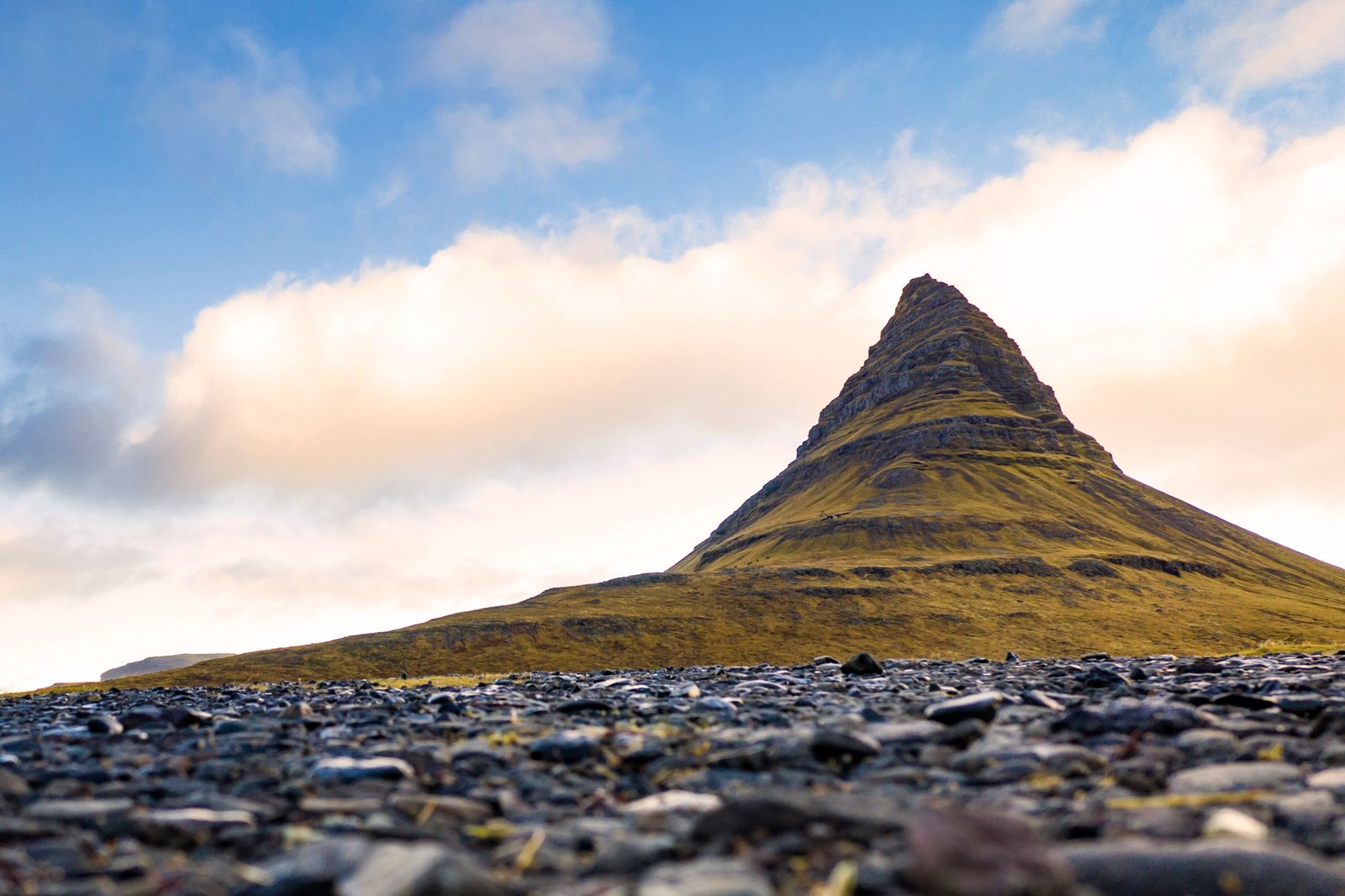
    Kirkjufell mountain, Iceland, the most peaceful country on earth
    Iceland is regularly named the most peaceful country on earth.

    Iceland is regularly named the most peaceful country on earth. Violent crime is almost unheard of, the roads are quiet, and even remote areas feel secure, which makes it ideal for solo travelers and road trips. The main risks here are weather and nature, not people, so plan for conditions rather than crime.

    Japan

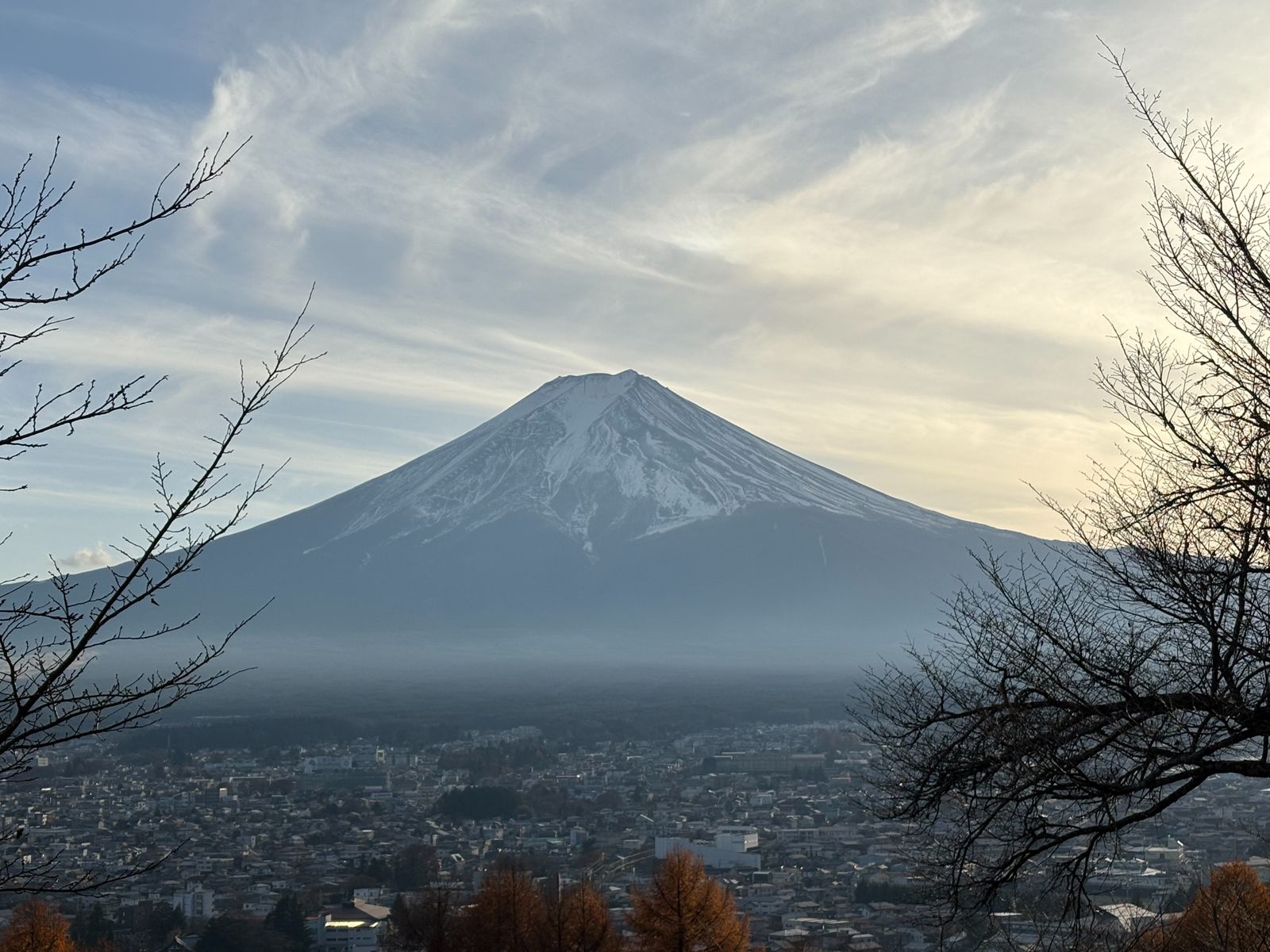
    Mount Fuji, Japan, one of the safest countries in the world
    Japan pairs a very high safety score with flawless, calm public transport.

    Japan pairs a very high safety score with flawless public transport and spotless cities. Lost wallets are famously handed in, late-night trains feel calm, and solo dining and travel are completely normal. It is one of the easiest places anywhere to relax and explore without worry.

    Switzerland and Austria

    The Matterhorn, Switzerland, one of the safest countries in Europe
    Switzerland and Austria top Europe for safety, order and healthcare.

    Switzerland and Austria top Europe for safety, cleanliness and order. Public transport is punctual and secure, cities feel calm even after dark, and healthcare is excellent. Both are pricey, but for peace of mind and easy travel they are hard to beat.

    Singapore

    Singapore is the safest hub in Asia, with extremely low crime, world-class infrastructure and effortless transport. It works beautifully as a secure, easy first stop before exploring the rest of Southeast Asia.

    New Zealand

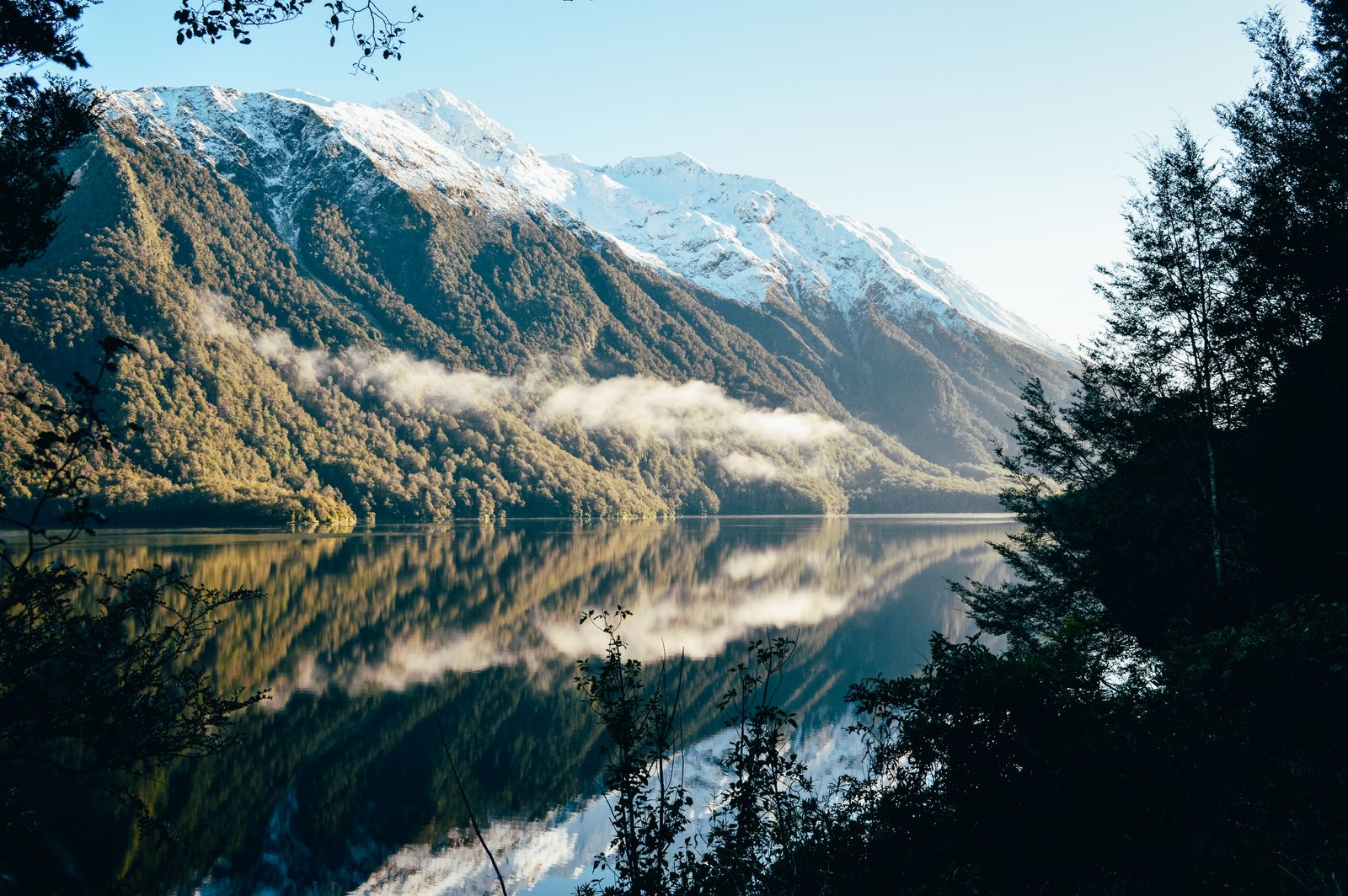
    New Zealand mountains, big adventure with genuine safety
    New Zealand offers big adventure with low crime and helpful locals.

    New Zealand offers big adventure with genuine safety. Crime is low, locals are friendly and helpful, and the outdoors is well managed, making it a favourite for solo and first-time long-haul travelers alike.

    The safest country in each region

    Not everyone wants to visit the usual safe-and-expensive suspects. Here is the standout safe choice in each part of the world, so you can travel further while keeping risk low.

    Safest in Asia: Japan, Taiwan and Singapore

    Beyond Japan and Singapore, Taiwan deserves a mention: crime is very low, the transport is excellent, and it is more affordable than its safe neighbours, which makes it a superb value-for-safety pick.

    Safest in Europe: Iceland, Switzerland and Slovenia

    For value, Slovenia is the quiet winner. It is one of the safest countries in Europe, greener and cheaper than the alpine giants, and easy to explore from its compact capital Ljubljana.

    Safest in Latin America: Uruguay, Chile and Costa Rica

    Uruguay and Chile are the calmest, most orderly countries in South America, while Costa Rica leads Central America for stability and easy nature-based travel. All three are far lower risk than the regional average and make a relaxed introduction to the Americas.

    Safest in Africa: Rwanda, Botswana and Mauritius

    Africa is huge and varied, and a few countries stand out for safety. Rwanda is famously clean, orderly and welcoming, Botswana is stable and excellent for safaris, and the island of Mauritius is calm and easy for beach travel. These are strong choices if you want the continent without the caution flags.

    Destinations to approach with more care

    Some popular destinations are wonderful but need extra planning. Parts of Latin America, southern Africa and a handful of Asian cities have higher crime in specific areas, and a few countries carry active government travel warnings. The point is not to avoid them entirely, but to research the exact region, favour well-reviewed neighbourhoods, and check your own government’s current travel advice. The safety index in the Explorer is a quick first filter, not a substitute for that official advice.

    How to travel safely wherever you go

    Check the score first: open the Explorer, turn on the safety layer, and compare your shortlist before booking anything.

    Stay reachable: a working phone is your fastest safety tool for maps, rides and emergency calls. A travel eSIM gets you online the moment you land, with no airport SIM hunt.

    📶 Travel eSIM
    Stay connected the moment you land
    Skip airport SIM queues and roaming fees. Grab a travel eSIM for your destination and get online the second you arrive, no physical SIM swap needed. Works on the Airalo website and app.
    🎁 Save up to 15% with code GLOBEDUDENEW (new users), or use GLOBEDUDE for 10% off if you already have Airalo
    Browse eSIM plans →
    GlobeDude may earn a commission if you buy through this link, at no extra cost to you. Discount codes valid until 31 Mar 2027.

    Book tours and tickets: lock in skip-the-line entry, day trips and guided experiences before you go, so you spend your time exploring rather than queuing. Browse tours and activities on GetYourGuide.

    Insure the trip: good cover turns a serious problem into an inconvenience. SafetyWing is built for travelers and covers you across countries on a simple monthly plan.

    Carry money smartly: a Wise account lets you keep less cash on you and spend at the real exchange rate, which is both safer and cheaper.

    Book flexible flights: if plans change, you want to move easily. Compare flight deals here.

    Frequently asked questions

    What is the safest country to travel to in 2026?
    Iceland, Japan, Switzerland, Singapore and New Zealand are consistently the safest, with very low crime, stable conditions and excellent infrastructure. All score at the very top of the GlobeDude safety index.

    What is the safest country in Africa?
    Rwanda, Botswana and Mauritius are among the safest in Africa. Rwanda in particular is known for being clean, orderly and welcoming to visitors. As always, safety varies by region, so check current advice for the specific area you plan to visit.

    What is the safest country in South America?
    Uruguay and Chile are the safest, calmest countries in South America, with modern cities and good transport. Costa Rica leads Central America. They make an easy, low-stress introduction to the continent.

    How is the safety index calculated?
    It is a curated score from 0 to 100 where higher means safer, informed by well-known measures such as the Global Peace Index and public crime and safety indices. It is quick general guidance to compare destinations, not a travel advisory, so always check your government’s current advice for your specific destination.

    Is it safe to travel solo in these countries?
    Yes. The top-scoring countries here, including Japan, Iceland, Portugal, Slovenia and New Zealand, are among the best in the world for solo travelers. Still favour well-reviewed accommodation and share your plans with someone at home wherever you go.

    How do I check if a country is safe before I book?
    Open the GlobeDude Explorer, click the destination, and read its safety index alongside cost and visa access. Then confirm with your own government’s official travel advisory for the exact region, since conditions can change quickly.

    The safety index is approximate general guidance, not a travel advisory. Conditions vary within countries and can change quickly, so always confirm current requirements and your government’s travel advice before booking. Some links above are affiliate links that support GlobeDude at no extra cost to you.
  • The Smartest Way to Send and Spend Money Abroad in 2026 (Skip the Hidden Fees)

    The Smartest Way to Send and Spend Money Abroad in 2026 (Skip the Hidden Fees)

    Most travellers lose more money to fees than they realise. Not the obvious ones, but the quiet markup that banks, airport counters and card networks add every time you spend or move money across a border. Over a single trip it can add up to real money. This guide explains the smartest way to send and spend money abroad in 2026, how the hidden costs work, and the tools that let you keep more of your cash.

    This is general money information to help you plan, not financial advice, so choose what fits your own situation. To see live exchange rates and what your currency is worth in any country, use the Explorer currency layer before you travel.

    The hidden costs of money abroad

    Travel money, passport and cards

    There are three places you quietly lose money when you cross a border:

    1. The exchange-rate markup. The rate you see on the news is the mid-market rate, the real one. Most banks and exchange counters give you a worse rate and pocket the difference. It can be 2 to 5 percent or more, and it is invisible because it is baked into the rate, not shown as a fee.

    2. Dynamic currency conversion. When a shop or ATM abroad asks if you want to pay in your home currency instead of the local one, say no and always choose local. Paying in your home currency lets their system set a terrible rate. This one habit saves travellers a lot.

    3. Flat and ATM fees. Foreign transaction fees, ATM withdrawal fees and transfer fees stack up quickly, especially on many small purchases.

    See the real rate first

    Before you spend, know what the honest rate is. Enter your currency and an amount below to see what it is worth around the world.

    The tools that beat the banks

    A multi-currency account and card (Wise)

    The simplest fix for most travellers is a multi-currency account with a linked debit card. Wise is one of the most popular, because it uses the real mid-market rate and charges a small, transparent fee instead of a hidden markup. You can hold dozens of currencies, spend on the card wherever you are, and withdraw from ATMs with low fees. It is also excellent for receiving payments if you work remotely or get paid from abroad.

    Get the version for your home currency:

    Wise for US dollars (USD) · Wise for euros (EUR) · Wise for British pounds (GBP) · Wise for Australian dollars (AUD) · Wise for Japanese yen (JPY)

    For travellers from India

    Indian travellers face steep forex markup and TCS on many cards. A dedicated travel and forex card built for India, such as Scapia, is designed to avoid markup on international spends and comes with travel rewards, which suits frequent flyers and holiday travellers heading abroad from India.

    When to use a specialist transfer

    If you are sending a larger amount home or paying an overseas bill, a specialist transfer through a service like Wise almost always beats a traditional bank wire on both rate and fee. Compare the total amount that actually arrives, not just the headline fee, because the exchange-rate markup is where banks make the real money.

    A simple money-abroad checklist

    Do these five things and you will keep most of your money:

    1. Carry one low-markup card that uses the real exchange rate, and keep a backup card separately.

    2. Always pay and withdraw in the local currency, never your home currency.

    3. Withdraw larger amounts less often to reduce ATM fees, and use bank ATMs rather than the standalone machines in tourist zones.

    4. Avoid airport and hotel exchange counters, which offer the worst rates anywhere.

    5. Check the real rate first in the Explorer or Salary tool so you know when you are being overcharged.

    Plan the rest of your trip

    Saving on money is one piece of a cheaper trip. Compare destinations by cost, visa and season in the Explorer, find a cool getaway with the Escape Season tool, book value stays on the GlobeDude hotel search, and catch cheap fares by staying flexible on flight dates.

    Stay connected to manage your money abroad: a travel eSIM keeps you online to check rates, approve app payments and use maps the moment you land, with no roaming bill.

    📶 Travel eSIM
    Stay connected the moment you land
    Skip airport SIM queues and roaming fees. Grab a travel eSIM for your destination and get online the second you arrive, no physical SIM swap needed. Works on the Airalo website and app.
    🎁 Save up to 15% with code GLOBEDUDENEW (new users), or use GLOBEDUDE for 10% off if you already have Airalo
    Browse eSIM plans →
    GlobeDude may earn a commission if you buy through this link, at no extra cost to you. Discount codes valid until 31 Mar 2027.

    Frequently asked questions

    What is the cheapest way to spend money abroad?
    Use a card that charges the real mid-market exchange rate with low or no foreign transaction fees, such as a Wise multi-currency card, and always pay in the local currency. This avoids the hidden markup that banks and airport counters add.

    Should I pay in my home currency or the local currency abroad?
    Always choose the local currency. When a terminal or ATM offers to charge you in your home currency, that is dynamic currency conversion, and it uses a poor rate set by the machine. Paying in local currency lets your own card give you a much better rate.

    Is Wise better than a bank for sending money abroad?
    For most transfers, yes. Services like Wise use the real exchange rate and charge a small transparent fee, while banks often hide a 2 to 5 percent markup in a worse rate. Always compare the final amount that arrives, not just the stated fee.

    What is the best travel card for Indians going abroad?
    Indian travellers usually want a forex or travel card built to avoid markup on international spends, such as Scapia. Compare the markup, any annual fee, ATM charges and rewards, and always read the current terms before applying.

    How much can I really save by avoiding forex markup?
    Often 2 to 5 percent or more on everything you spend abroad, plus separate ATM and transaction fees. On a longer trip or a big transfer, that easily adds up to a meaningful amount, which is why the tool you use matters.

    How do I know the real exchange rate before I travel?
    Check the mid-market rate in the GlobeDude Explorer or Salary tool. Enter your currency and an amount, and it shows the live rate and what your money actually buys, so you can spot when a bank or counter is overcharging you.

    This article is general information, not financial advice. Products, fees and terms change, so review the current details with each provider before signing up. Some links above are affiliate links that support GlobeDude at no extra cost to you.

  • Best Countries for Solo Travel in 2026 (Safe, Affordable and Easy to Explore Alone)

    Best Countries for Solo Travel in 2026 (Safe, Affordable and Easy to Explore Alone)

    The best countries for solo travel in 2026 combine safety, low cost and ease of travel, led by Japan, Portugal, Vietnam, Thailand and Georgia. Traveling alone is having a real moment, and searches for where to go solo have jumped sharply this year. The best countries for solo travel in 2026 all share three things: they are safe enough to relax in, affordable enough to stay a while, and social enough that you are never truly alone unless you want to be. This guide ranks the top solo travel destinations by genuine safety, daily cost and visa access, and shows you how to compare any of them against your own home country in seconds.

    Every country below is chosen for solo travelers specifically: easy to get around, welcoming to people on their own, and home to a real community of other travelers. For live, personalised numbers, drop any destination into the GlobeDude Explorer, where each country shows a safety index, a daily budget and the visa rule for your passport, all relative to you.

    Compare any country live

    Set your home country in the widget below to see how far your money goes and whether you need a visa for each destination.

    Safest and easiest for your first solo trip

    If this is your first time traveling alone, start somewhere with low crime, easy transport and a culture where being on your own is normal. These three fit the brief better than almost anywhere.

    Japan

    Mount Fuji, Japan, one of the safest countries for solo travel
    Japan pairs near-perfect safety with effortless rail travel, ideal for a first solo trip.

    Japan is close to a perfect first solo trip. It is one of the safest countries on earth, public transport runs like clockwork, and solo dining is completely normal, so you never feel awkward eating ramen alone at the counter. Tokyo, Kyoto and Osaka each have a different rhythm, and the whole country is easy to cross on a rail pass. A comfortable solo month runs roughly 1,800 to 2,600 US dollars depending on the city. Find stays in Tokyo on Agoda.

    Portugal

    Portugal is the friendliest, safest and most affordable corner of Western Europe for solo travelers. English is widely spoken, Lisbon and Porto are packed with sociable hostels and walking tours, and the country feels relaxed and unhurried. Budget on around 1,600 to 2,400 US dollars a month. It is also a favourite base for solo remote workers thanks to its dedicated digital nomad visa.

    Taiwan

    Taiwan is quietly one of the best solo destinations in Asia. Crime is very low, the night markets are made for eating alone, and Taipei’s metro makes the city effortless to explore. It is cheaper than Japan or Korea, with a comfortable month around 1,100 to 1,600 US dollars, and locals are famously helpful to lost travelers.

    Best value for a longer solo trip

    If you want your savings to stretch into months rather than weeks, these destinations combine low costs with big, welcoming traveler scenes.

    Thailand

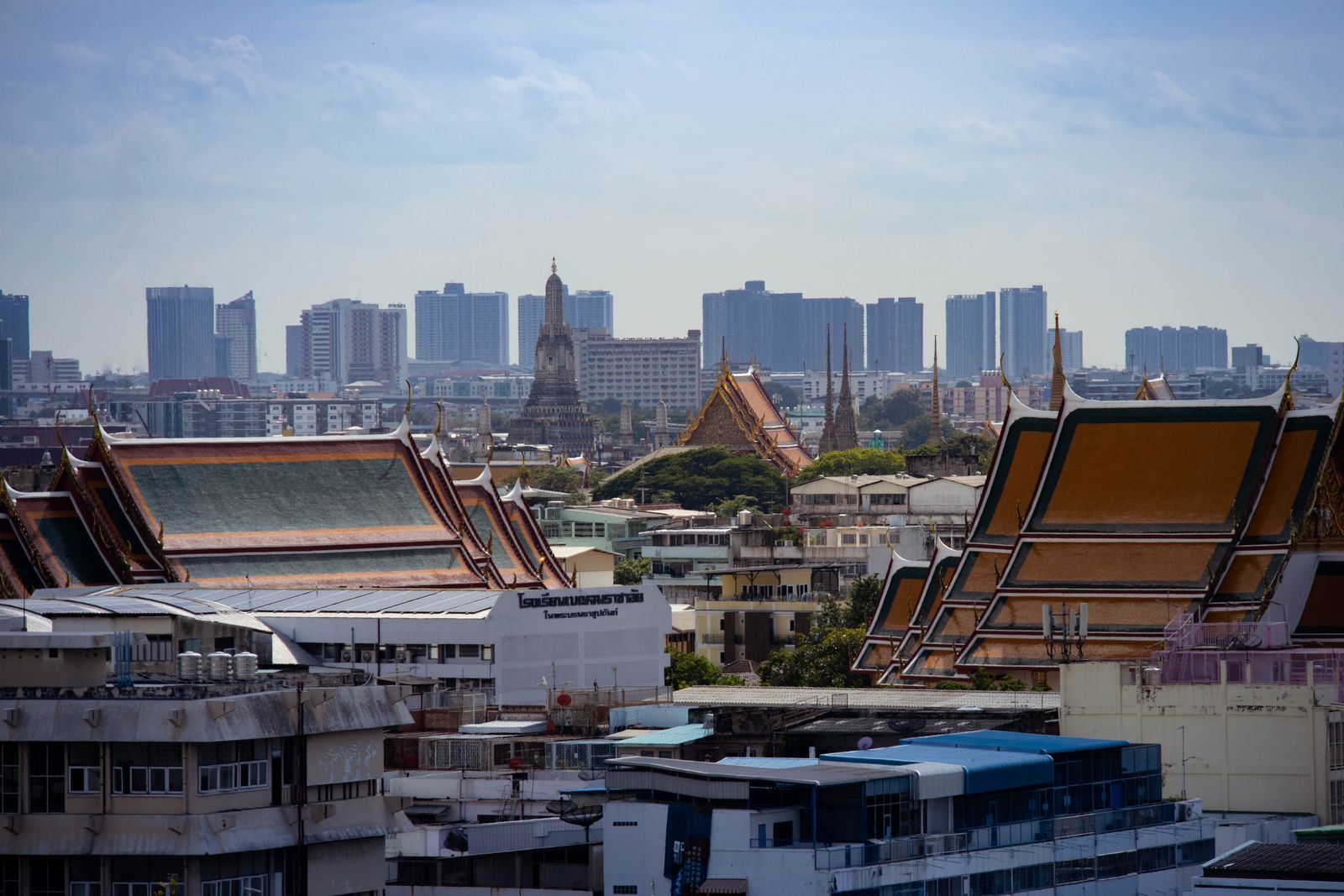
    Temple in Bangkok, Thailand, a top-value solo travel destination
    Chiang Mai and Bangkok remain the original solo backpacker hubs.

    Thailand is the original solo backpacker hub, and it still earns the title. Chiang Mai in particular is built for people traveling alone, with cheap co-working cafes, group cooking classes and an easy social scene, all from around 900 to 1,300 US dollars a month. Bangkok and the islands cost a little more but connect you to travelers from every corner of the world. Find stays in Chiang Mai on Agoda.

    Vietnam

    Vietnam is superb value and genuinely friendly to solo travelers. Da Nang, Hanoi and Ho Chi Minh City all run roughly 700 to 1,100 US dollars a month, with fast internet, cheap street food and a well-worn traveler trail that makes it simple to meet people heading the same way.

    Georgia

    Tbilisi, Georgia, a cheap and safe long-stay solo base
    Tbilisi, Georgia, offers many nationalities a full year visa-free.

    Georgia is a solo secret weapon. Many nationalities can stay visa-free for a full year, Tbilisi is cheap and safe, and the mountains, wine and food make it easy to fall into a slow, sociable rhythm. Expect around 800 to 1,300 US dollars a month. That one-year visa-free window is unbeatable for a long solo base.

    Indonesia (Bali)

    Bali is a magnet for solo travelers, especially in Canggu and Ubud, where yoga classes, coworking spaces and hostel bars make it nearly impossible to stay lonely. A comfortable month sits around 900 to 1,400 US dollars, and the island has one of the largest solo and nomad communities anywhere. Find stays in Bali on Agoda.

    Safe and social in Europe and the Americas

    Spain

    Spain rewards solo travelers with late dinners, walkable cities and one of the best hostel and free-walking-tour scenes in Europe. Valencia and Seville are affordable and warm, Barcelona and Madrid are buzzing, and the whole country is very safe if you keep an eye on your bag in tourist crowds. Budget roughly 1,300 to 1,900 US dollars a month.

    Mexico

    Mexico City, a vibrant solo travel base on North American time
    Mexico City has a strong solo and nomad community on North American hours.

    Mexico is a top pick if you work North American hours or just want vibrant culture on a budget. Mexico City, Oaxaca and Playa del Carmen have strong solo and nomad communities and run around 1,200 to 1,900 US dollars a month. Safety varies a lot by area, so stick to well-reviewed neighbourhoods and use the safety layer in the Explorer before you book.

    Uruguay and Chile

    For South America, Uruguay and Chile are the safest, calmest places to start solo. Montevideo and Santiago feel orderly and modern, with good transport and a relaxed pace, for around 1,100 to 1,700 US dollars a month. They make an easy, low-stress introduction to the continent before you head somewhere more adventurous.

    How to stay safe, connected and on budget solo

    Check safety before you commit: open the Explorer, switch on the safety index, and compare destinations at a glance so you travel with realistic expectations, not guesswork.

    Stay connected from the moment you land: when you travel alone, a working phone is your lifeline for maps, rides and check-ins. A travel eSIM gets you online instantly, with no airport SIM queues or roaming bills.

    📶 Travel eSIM
    Stay connected the moment you land
    Skip airport SIM queues and roaming fees. Grab a travel eSIM for your destination and get online the second you arrive, no physical SIM swap needed. Works on the Airalo website and app.
    🎁 Save up to 15% with code GLOBEDUDENEW (new users), or use GLOBEDUDE for 10% off if you already have Airalo
    Browse eSIM plans →
    GlobeDude may earn a commission if you buy through this link, at no extra cost to you. Discount codes valid until 31 Mar 2027.

    Book tours and tickets: lock in skip-the-line entry, day trips and guided experiences before you go, so you spend your time exploring rather than queuing. Browse tours and activities on GetYourGuide.

    Spend and withdraw smartly: a Wise account lets you spend and pull cash at the real exchange rate, which adds up over a long solo trip.

    Insure yourself: traveling alone means no one is there to catch a problem for you, so cover matters more. SafetyWing is built for long-term and solo travelers on a monthly subscription.

    Fly cheap and flexible: solo means you can leave on any date, so chase the lowest fares. Search flight deals here. Not sure where to go? Let the Spin the Globe tool pick an affordable, visa-friendly destination for you.

    Frequently asked questions

    What is the best country for solo travel for beginners?
    Japan, Portugal and Taiwan are the easiest and safest first solo trips. They have very low crime, excellent public transport and a culture where doing things alone is completely normal, so you can find your feet without stress.

    Which is the cheapest country for solo travel in 2026?
    Vietnam, Georgia and Thailand offer the best value, with comfortable solo months possible from around 700 to 1,300 US dollars including a private room, food and transport. All three also have large, welcoming traveler communities.

    Is solo travel safe for women?
    Many destinations are very safe for solo women travelers, including Japan, Portugal, Taiwan, Slovenia, New Zealand and Georgia. Wherever you go, favour well-reviewed accommodation, share your itinerary with someone at home, and check the destination’s safety index before booking. Conditions vary within countries, so research your specific city too.

    How do I meet people while traveling alone?
    Stay in social hostels, join free walking tours, take a group class such as cooking or diving, and base yourself in known solo and nomad hubs like Chiang Mai, Bali, Lisbon or Medellin. You will meet other solo travelers within a day almost anywhere on this list.

    Do I need a visa for these solo destinations?
    It depends entirely on your passport. Georgia offers many nationalities a full year visa-free, while others need an e-visa or visa on arrival. Open the GlobeDude Explorer, set your home country, and each destination shows your exact visa rule. Always confirm current requirements with the official immigration site before you travel.

    How much money do I need for a month of solo travel?
    In the cheapest countries here, 800 to 1,300 US dollars covers a comfortable solo month including a private room. Mid-range spots like Portugal, Spain or Mexico City run closer to 1,300 to 2,400. Use the Salary tool to see exactly what your own income supports in each destination.

    Cost figures are approximate and vary by city, season and travel style. Safety and visa details are general guidance that can change, so always confirm current requirements and your government’s travel advice before booking. Some links above are affiliate links that support GlobeDude at no extra cost to you.
  • How Far Does $1,000 Go Around the World in 2026? (What Your Cash Really Buys in 30 Countries)

    How Far Does $1,000 Go Around the World in 2026? (What Your Cash Really Buys in 30 Countries)

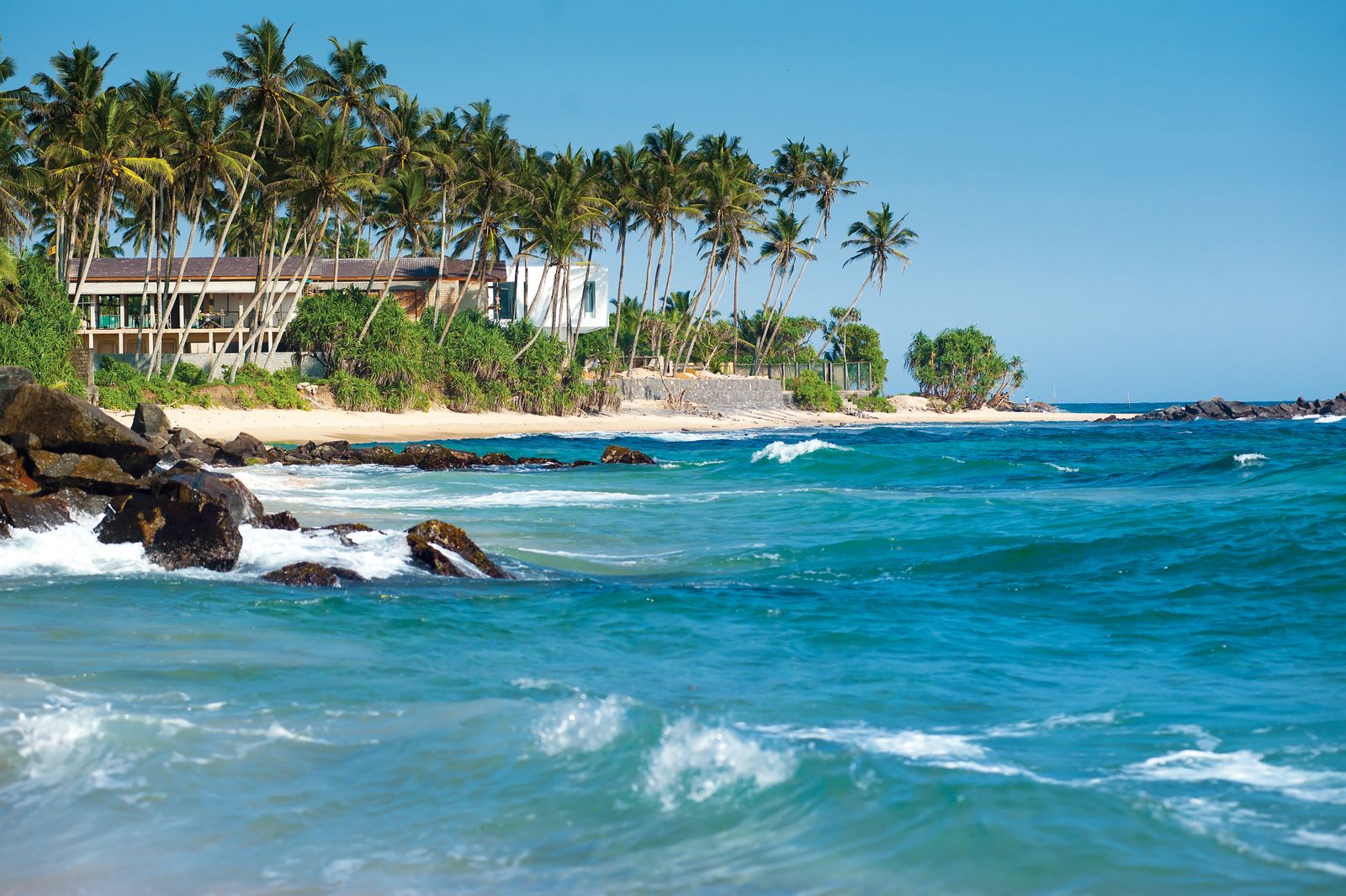
    A thousand US dollars stretches furthest in South Asia, lasting a full month in India, Nepal or Sri Lanka, and disappears fastest in Switzerland, Norway and Iceland, where it may cover only three to four days. It is the same number everywhere, but it buys wildly different lives depending on where you spend it. In one country it is a comfortable month of rent, food and fun. In another it barely covers three nights and a few dinners. This guide shows how far 1,000 dollars goes around the world in 2026, from the places where your cash stretches furthest to where it vanishes fastest, so you can plan smarter trips and see the real value of money globally.

    Every figure below is a realistic estimate for a traveller. To see the exact purchasing power of any amount, in your own currency, plug a number into the Explorer currency layer or the Salary tool and it will convert and compare live.

    See what your money buys live

    Enter your home currency and an amount in the widget below to see what it is worth around the world right now.

    Where $1,000 buys the most: a full month or more

    India, Nepal and Sri Lanka

    Beach in Goa, India

    South Asia is where a thousand dollars feels like a small fortune. In much of India, Nepal or Sri Lanka, 1,000 US dollars covers a comfortable month of living including budget accommodation, all your meals, local transport and plenty of sightseeing. As a traveller it can mean roughly 30 nights in decent guesthouses, or hundreds of local meals. This is the global gold standard for value.

    Vietnam and Indonesia

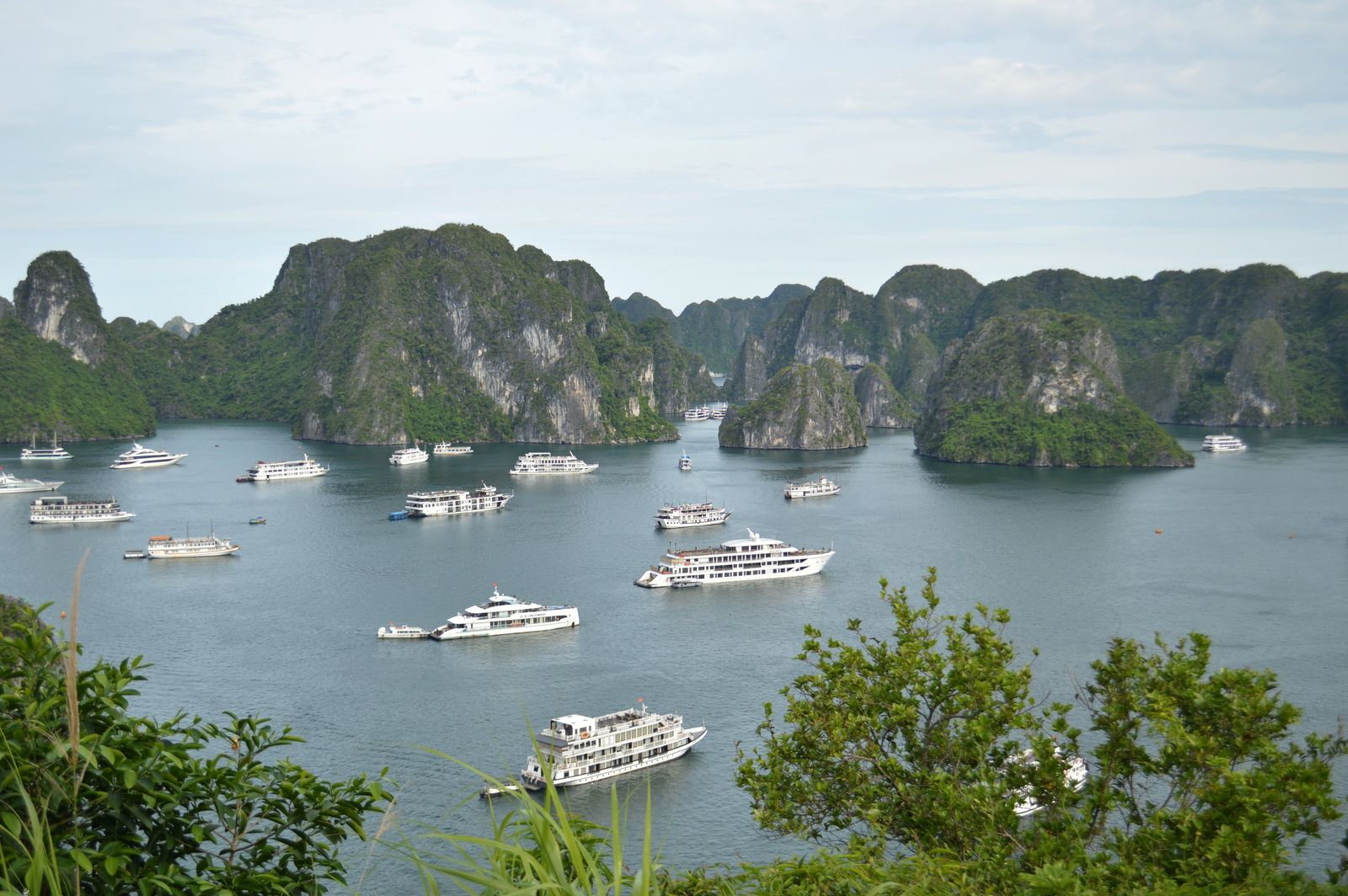
    Ha Long Bay, Vietnam

    In Vietnam and across much of Indonesia, 1,000 dollars stretches to about three to four weeks of comfortable travel, or a full modest month if you stay put. Think a nice room, daily street food feasts, coffee, and money left over for trips and activities. Find stays in Bali on Agoda.

    Thailand, Philippines and Cambodia

    Temple in Thailand

    Southeast Asia keeps delivering. A thousand dollars in Thailand, the Philippines or Cambodia buys roughly two and a half to three weeks of good travel, with mid-range hotels, island hopping and great food. Find stays in Bangkok on Agoda.

    Great value: two to three weeks

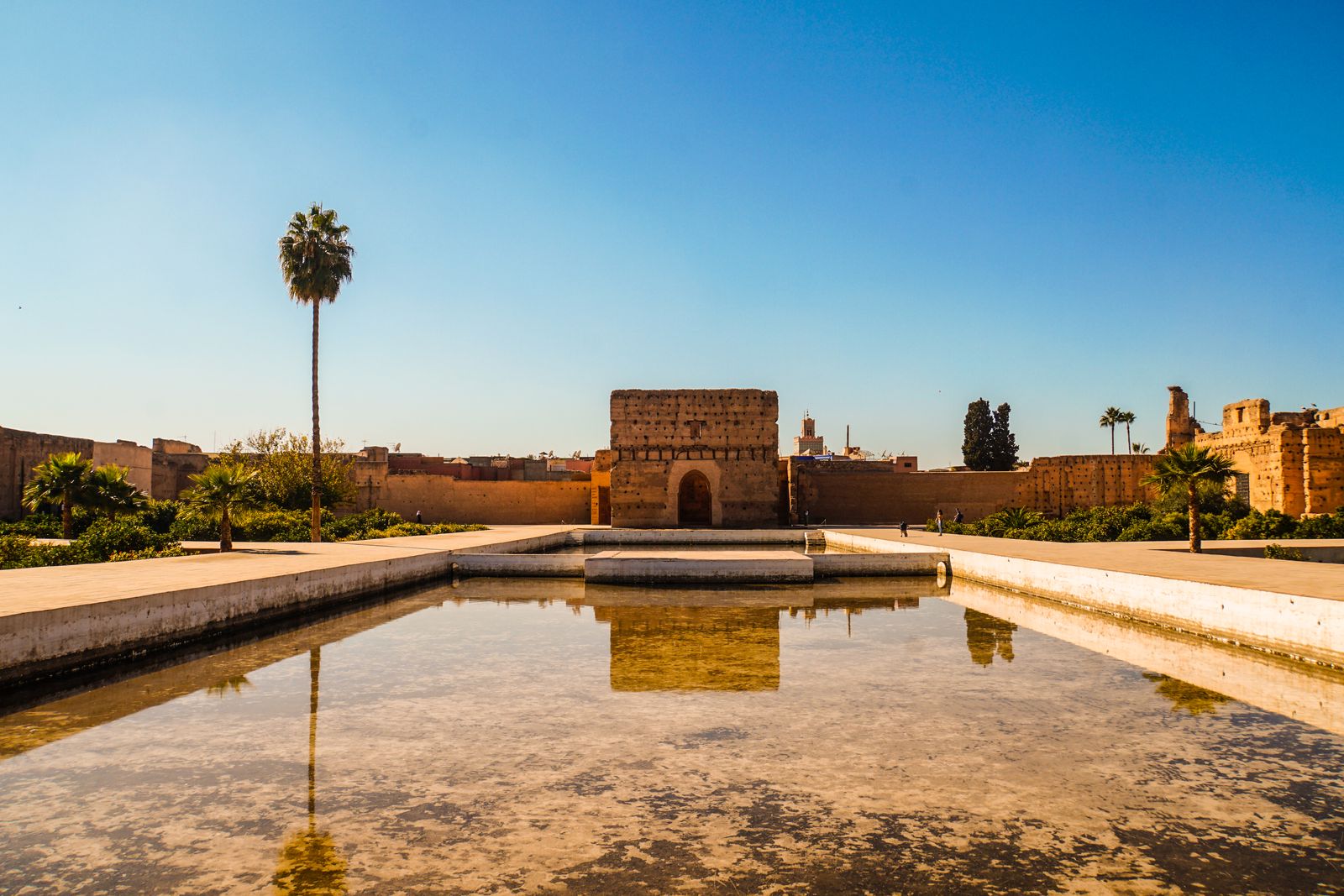
    Turkey, Egypt and Morocco

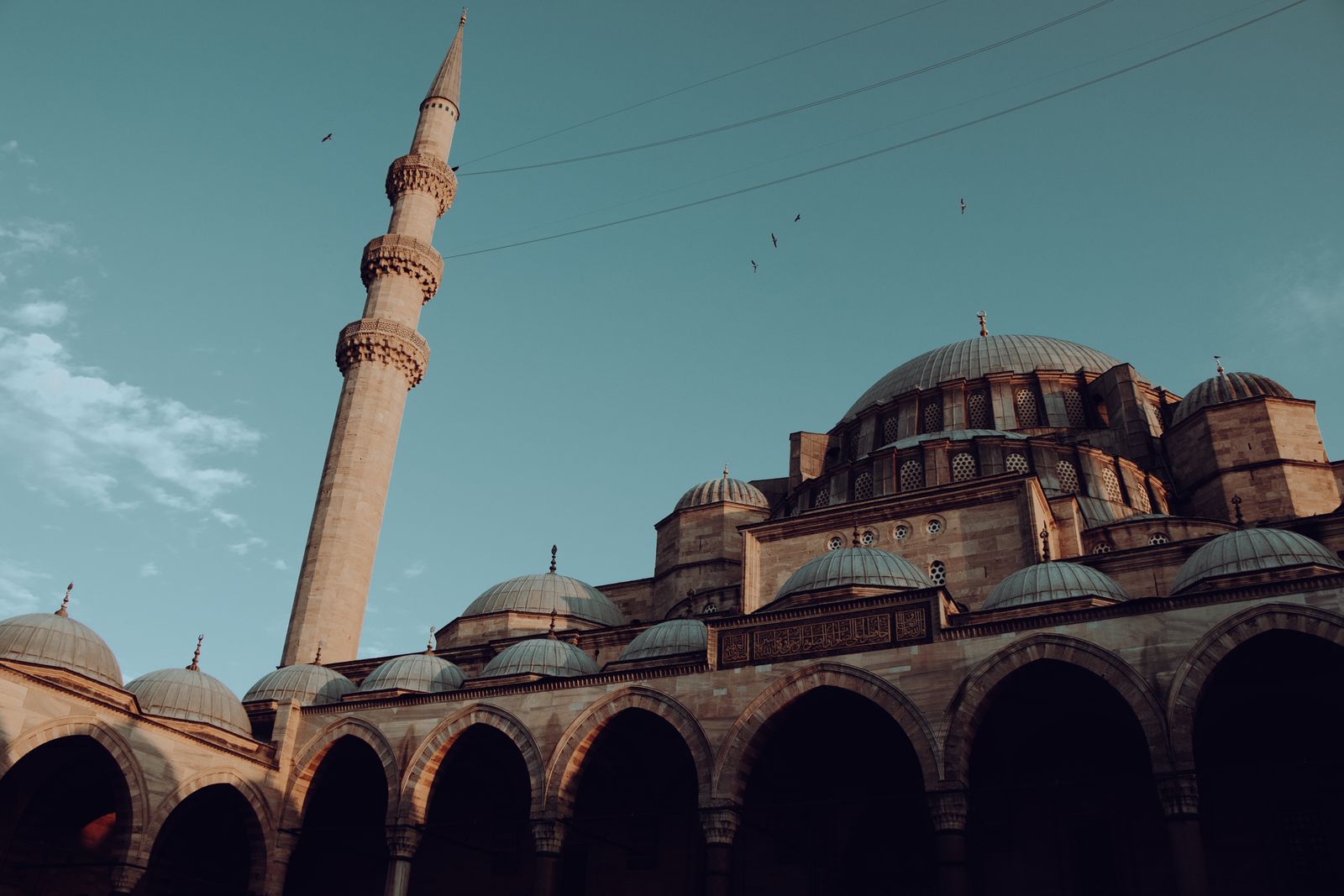
    Mosque in Istanbul, Turkey

    Around the Mediterranean and North Africa, 1,000 dollars gives you roughly two to three weeks of rich travel. Turkey in particular is superb value, with historic cities, incredible food and comfortable hotels that go easy on your budget.

    Mexico, Colombia and Peru

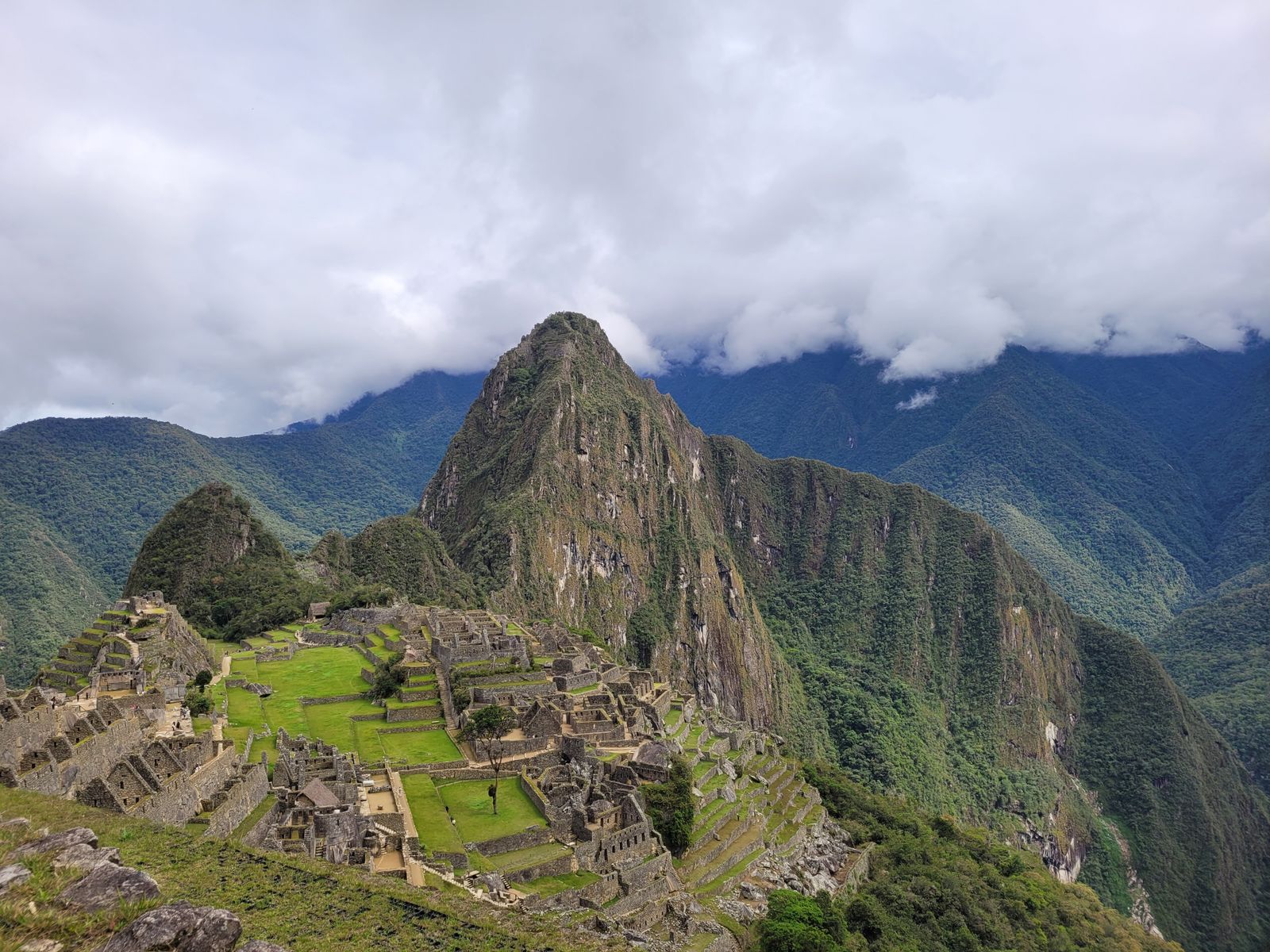
    Machu Picchu in Peru

    In Latin America, a thousand dollars typically funds about two weeks of great travel, covering mid-range stays, excellent food and activities like ruins, hikes and city life. Colombia and Peru are especially generous on value.

    Eastern Europe and Georgia

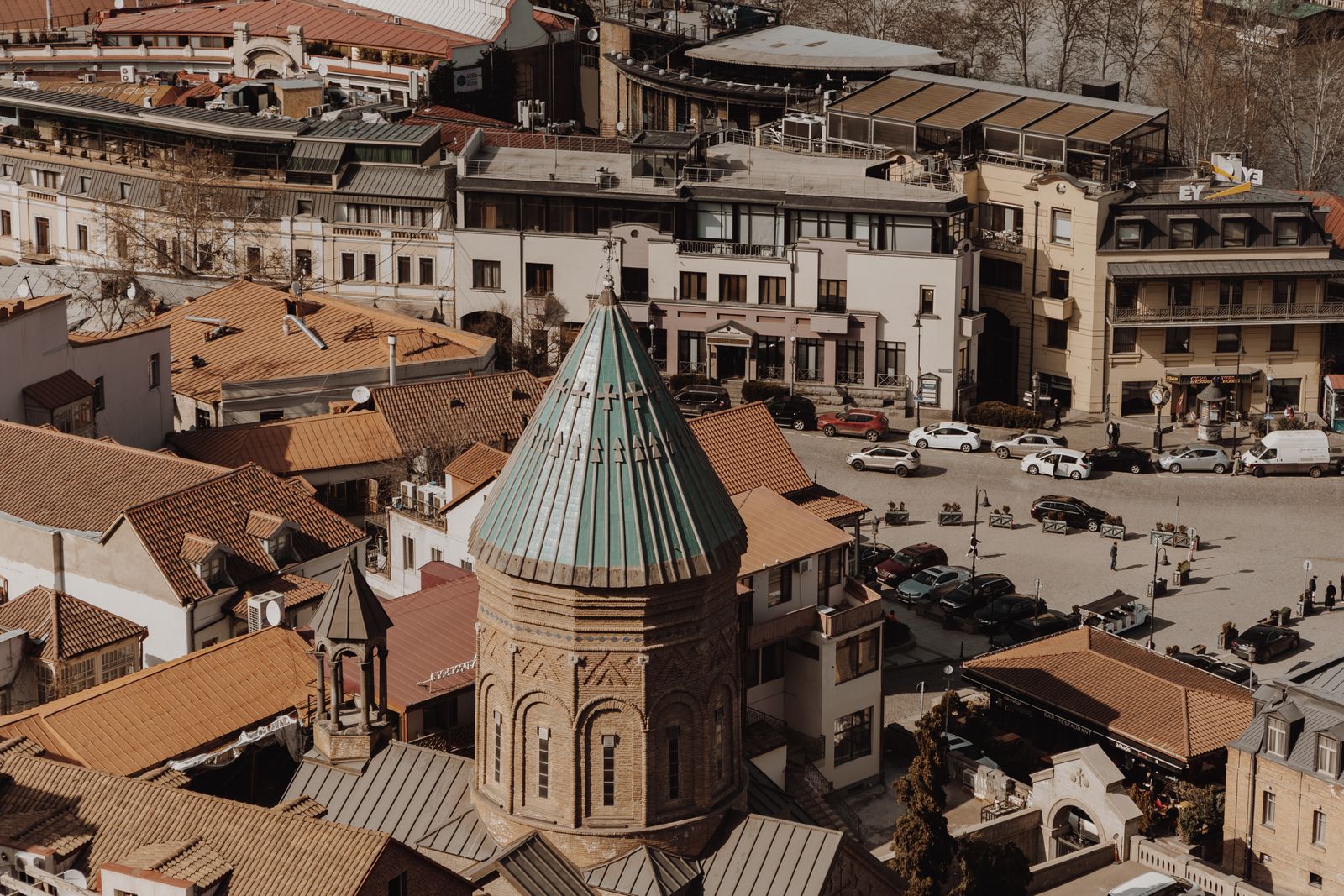
    Tbilisi old town, Georgia

    Countries like Georgia, Romania, Bulgaria and Albania let a thousand dollars run for around two to three weeks, with charming cities, mountains and wine at a fraction of Western European prices.

    Moderate: about a week to ten days

    Portugal, Spain and Greece

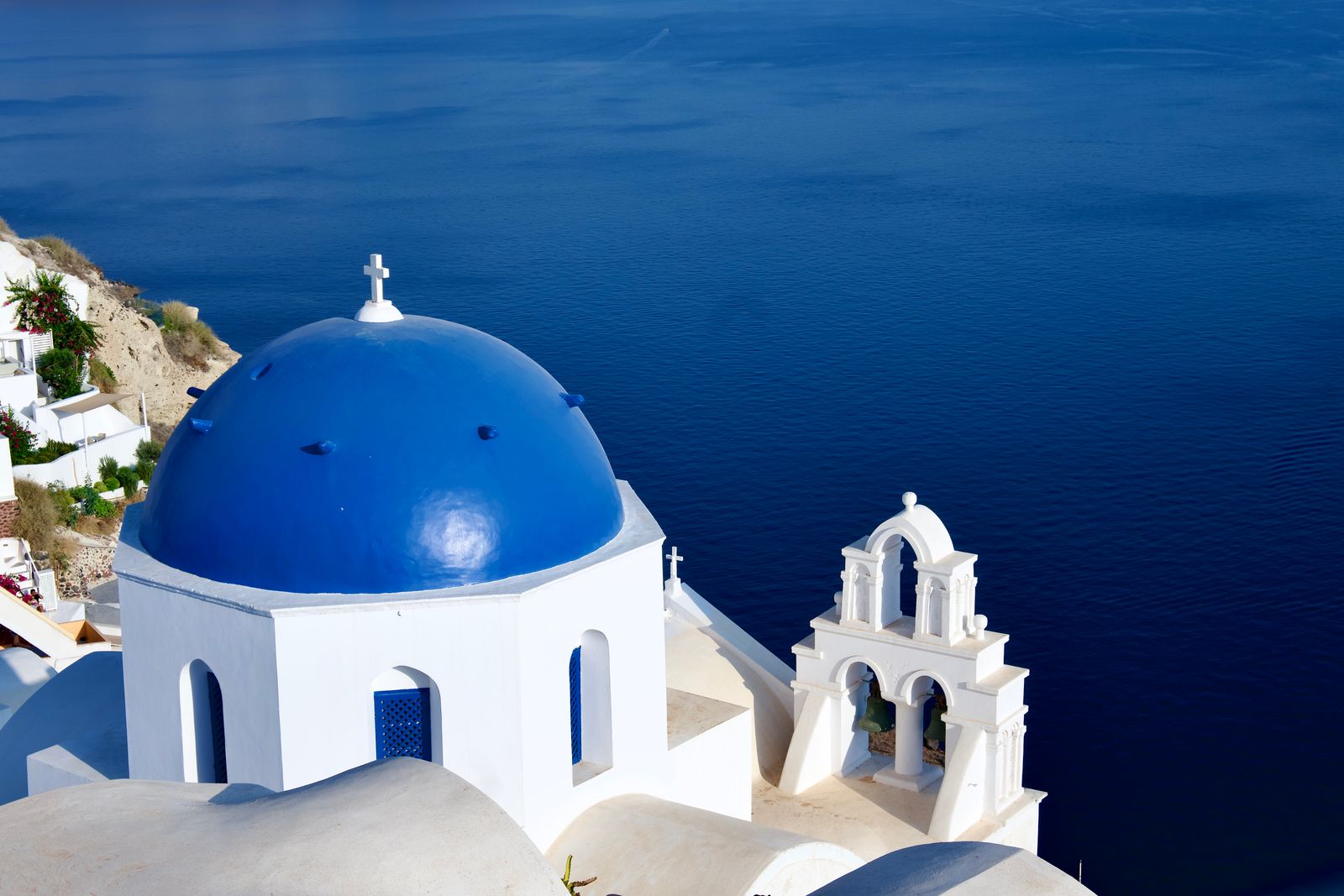
    Santorini blue domes, Greece

    Southern Europe is the sweet spot for value in the West. A thousand dollars covers roughly one to one and a half weeks of comfortable travel, with good hotels, great food and beaches or historic cities. It is the best bang for your buck in the Eurozone.

    Japan and South Korea

    Mount Fuji, Japan

    East Asia is more affordable than many expect. In Japan or South Korea, 1,000 dollars supports about a week of travel including clean, efficient hotels, superb food and excellent public transport. Value has improved further with recent exchange-rate shifts.

    Where $1,000 disappears fast: a few days

    United States, United Kingdom and Australia

    Big Ben and Westminster Palace in London

    In big Western economies, a thousand dollars goes quickly. Expect around four to six days of mid-range city travel once you count hotels, food and transport in places like New York, London or Sydney. Find stays in London on Agoda.

    Switzerland, Norway and Iceland

    The Matterhorn peak in Switzerland

    The most expensive countries on earth make a thousand dollars feel small. In Switzerland, Norway or Iceland, that budget may only cover three to four days once you add pricey hotels, restaurant meals and transport. Stunning, but tough on the wallet, so plan carefully.

    How to make your money go further

    Compare before you go: use the Explorer and Salary tools to see the real purchasing power of your cash in every country, in your own currency.

    Spend at the real exchange rate: banks and airport counters quietly add a markup. A Wise account gives you the mid-market rate and low fees, so more of your thousand dollars actually reaches your trip.

    Book smart: lock in value hotels early with the GlobeDude hotel search, and stay flexible on flight dates to catch the cheapest days.

    One cheap essential before you fly: a travel eSIM. For a few dollars you land with working data instead of paying steep roaming rates or hunting for a local SIM.

    📶 Travel eSIM
    Stay connected the moment you land
    Skip airport SIM queues and roaming fees. Grab a travel eSIM for your destination and get online the second you arrive, no physical SIM swap needed. Works on the Airalo website and app.
    🎁 Save up to 15% with code GLOBEDUDENEW (new users), or use GLOBEDUDE for 10% off if you already have Airalo
    Browse eSIM plans →
    GlobeDude may earn a commission if you buy through this link, at no extra cost to you. Discount codes valid until 31 Mar 2027.

    Book tours and tickets: lock in skip-the-line entry, day trips and guided experiences before you go, so you spend your time exploring rather than queuing. Browse tours and activities on GetYourGuide.

    Frequently asked questions

    Where does $1,000 go the furthest in 2026?
    In South Asia. India, Nepal and Sri Lanka give you the most, where 1,000 US dollars can cover a full comfortable month of travel or living. Southeast Asia, led by Vietnam and Indonesia, is a close second with three to four weeks.

    Where does $1,000 disappear fastest?
    In the world’s priciest countries. Switzerland, Norway and Iceland can burn through 1,000 dollars in just three to four days, and big Western cities like New York, London and Sydney last only four to six days at a mid-range pace.

    How is purchasing power different from the exchange rate?
    The exchange rate only tells you how many units of local currency you get. Purchasing power tells you what those units actually buy in meals, nights and transport, which is what matters for travel. The Explorer currency layer shows both.

    How many days can I travel on $1,000?
    It depends entirely on the country. Roughly a month in India, three weeks in Vietnam, two weeks in Mexico or Turkey, one week in Southern Europe or Japan, and just three to six days in Switzerland, Norway or major Western cities.

    Does using a travel card really save money abroad?
    Yes, often more than people expect. Banks and airport exchanges add a hidden markup on top of the real rate. A low-fee account like Wise uses the mid-market rate, which can save a meaningful chunk of a 1,000 dollar budget over a full trip.

    How can I check what my own currency is worth in another country?
    Use the GlobeDude Explorer or Salary tool. Enter your amount and home currency, and it converts to any country at the live rate and shows what that money actually buys there, so you can plan realistically.

    All figures are approximate estimates for planning and vary by city, season and travel style. Exchange rates change constantly, so check live values before you travel. Some links above are affiliate links that support GlobeDude at no extra cost to you.

  • Cheapest Countries for Digital Nomads in 2026 (Where Your Money and Remote Work Go Furthest)

    Cheapest Countries for Digital Nomads in 2026 (Where Your Money and Remote Work Go Furthest)

    Working remotely means your salary can go a lot further simply by choosing where you live. The cheapest countries for digital nomads in 2026 combine low monthly costs with fast internet, easy visas, warm weather and a real community of other remote workers. This guide ranks the best value nomad bases, with rough all-in monthly budgets, and shows you how to compare any of them live in your own currency.

    Costs below are realistic monthly estimates for one person including rent in a mid-range apartment, food, transport and the usual coffee-shop working life. For exact, up-to-date numbers from your own salary, plug your income into Where Your Salary Goes Furthest and compare countries in the Explorer.

    Compare costs live

    Set your home country in the widget below to see how far your money goes in each destination.

    Southeast Asia: the classic value kings

    Vietnam

    Ha Long Bay, Vietnam

    Vietnam is one of the best value nomad bases on earth. A comfortable month in Da Nang, Hanoi or Ho Chi Minh City runs roughly 700 to 1,100 US dollars all in, with cheap street food, fast fibre internet and a growing café-working scene. Da Nang in particular is a favourite for its beaches and low prices. Find stays in Ho Chi Minh City on Agoda.

    Thailand

    Temple in Thailand

    Thailand is the original digital nomad hub for a reason. Chiang Mai offers a full month from around 900 to 1,300 US dollars with great cafés, coworking spaces and a huge community, while Bangkok and the islands cost a little more. New long-stay visa options have made it even more attractive for remote workers. Find stays in Chiang Mai on Agoda.

    Indonesia (Bali)

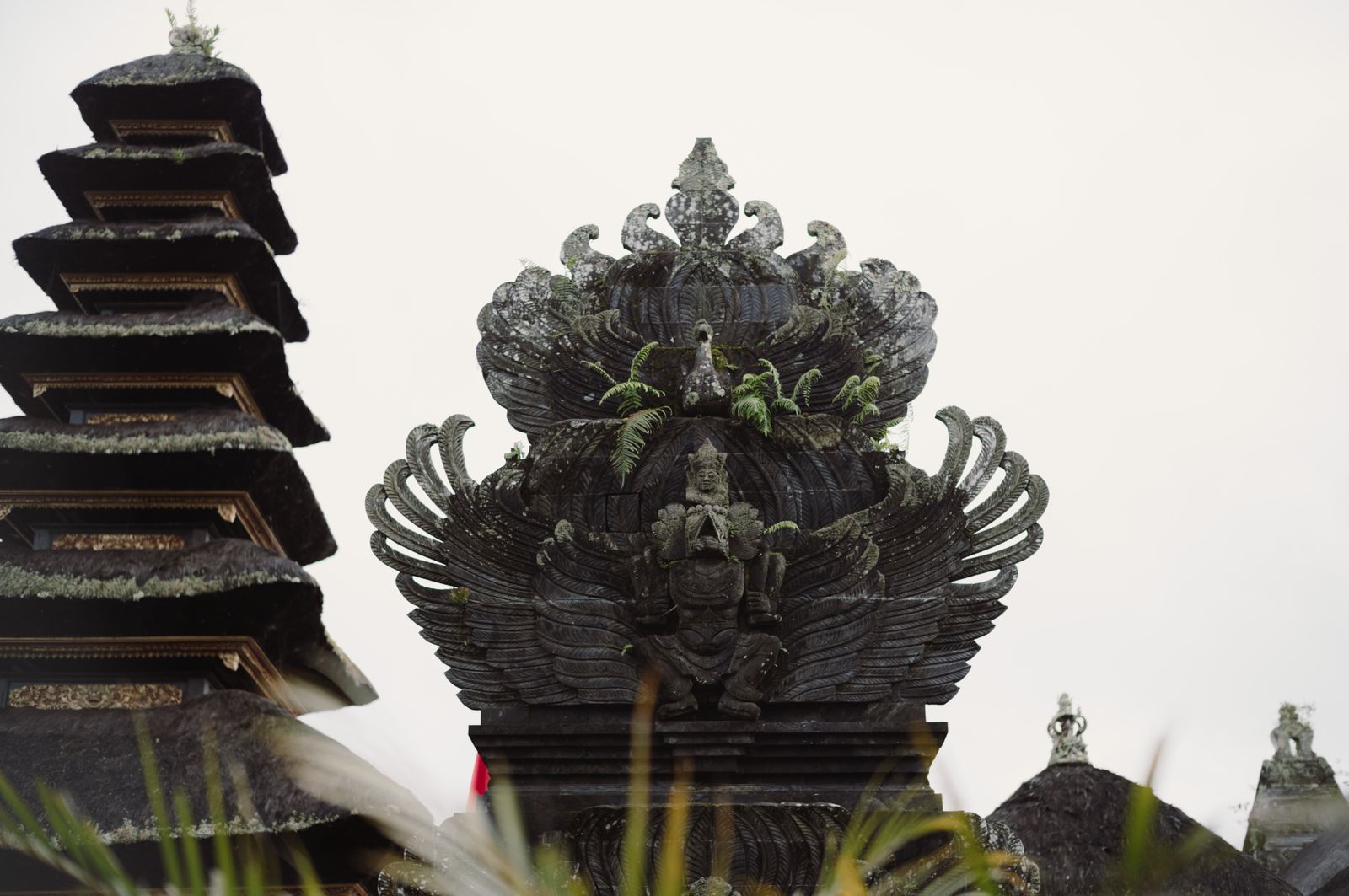
    Temple in Bali, Indonesia

    Bali blends affordability with lifestyle. Expect roughly 900 to 1,400 US dollars a month in Canggu or Ubud, with countless coworking spaces, yoga, surfing and one of the largest nomad communities anywhere. Indonesia has also introduced longer-stay options aimed at remote workers. Find stays in Bali on Agoda.

    Malaysia

    Kuala Lumpur skyline, Malaysia

    Malaysia is underrated. Kuala Lumpur gives you a modern, English-friendly city with excellent internet and infrastructure from around 900 to 1,400 US dollars a month, and its DE Rantau nomad pass makes longer stays straightforward. Find stays in Kuala Lumpur on Agoda.

    Latin America: great time zones for US clients

    Mexico

    Mexico City

    Mexico is a top pick if you work with North American clients, thanks to overlapping time zones. Mexico City, Playa del Carmen and Oaxaca range from about 1,000 to 1,600 US dollars a month, with fantastic food, culture and a relaxed temporary-resident visa route for longer stays.

    Colombia

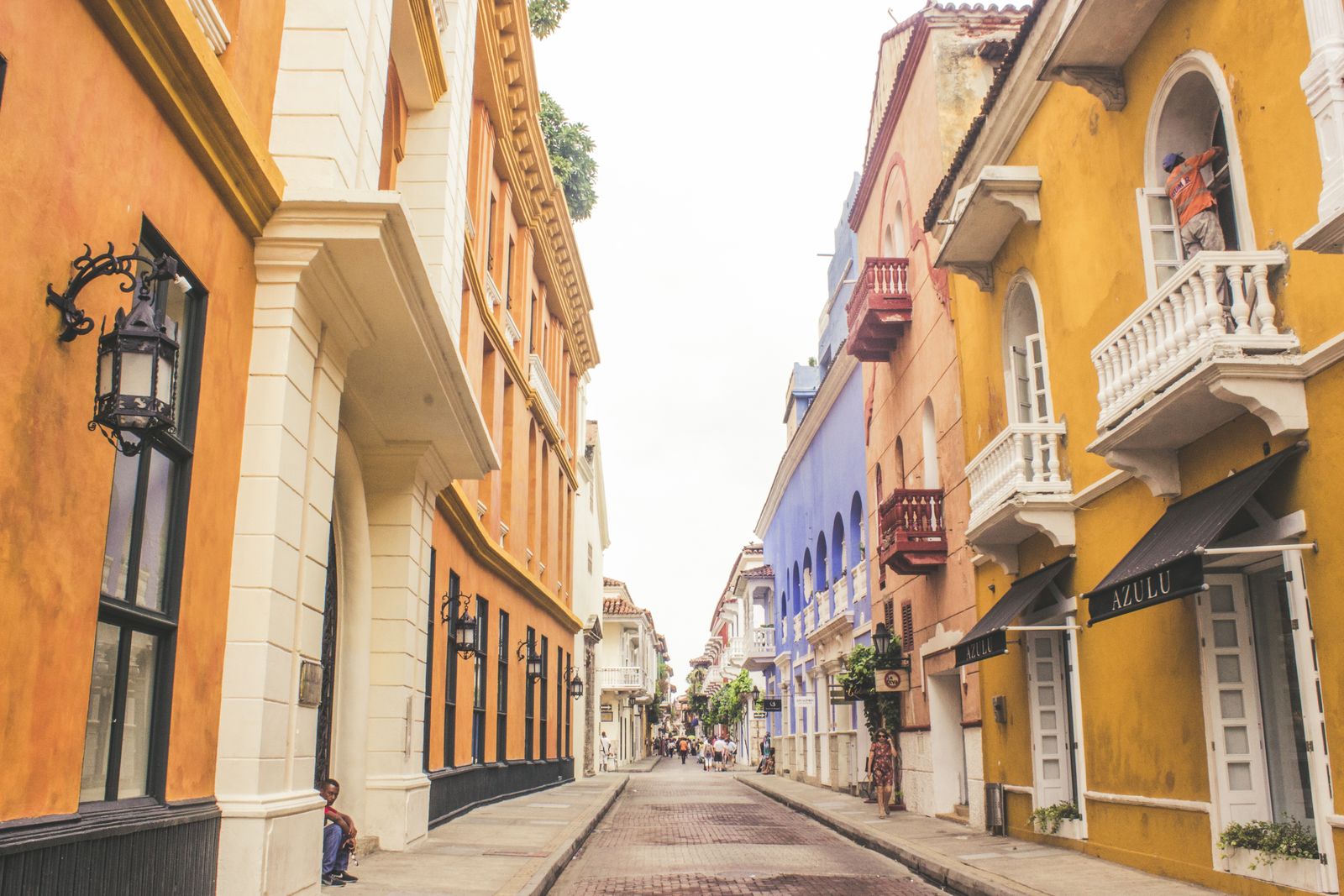
    Colorful street in Cartagena, Colombia

    Colombia, especially Medellin, is a nomad magnet. The city of eternal spring offers around 900 to 1,400 US dollars a month, superb weather year round, a strong nomad scene and a dedicated digital nomad visa. It is one of the best all-round value bases in the Americas.

    Argentina

    Patagonia mountains in Argentina

    Argentina can be remarkable value depending on the exchange rate. Buenos Aires offers a big-city, European feel with world-class food and nightlife, often for 900 to 1,400 US dollars a month, and it is a cultural highlight of South America for long stays.

    Europe and the Caucasus: affordable with easy visas

    Georgia

    Tbilisi old town, Georgia

    Georgia is a nomad secret weapon. Many nationalities can stay visa-free for a full year, internet is fast and cheap, and Tbilisi costs roughly 800 to 1,300 US dollars a month with great wine, mountains and food. That one-year visa-free window is hard to beat for a long base.

    Turkey

    Mosque in Istanbul, Turkey

    Turkey bridges Europe and Asia with real value. Istanbul and coastal cities like Antalya run around 800 to 1,400 US dollars a month, with rich history, incredible food and good flight connections across three continents.

    Portugal

    Lisbon tram, Portugal

    Portugal is the pricier end of this list but still the best value in Western Europe. Lisbon and Porto cost around 1,300 to 1,900 US dollars a month, and the country offers a dedicated digital nomad visa, safety, sunshine and a massive remote-work community.

    South Asia: the lowest budgets anywhere

    India and Sri Lanka

    Beach in Goa, India

    For the absolute lowest costs, South Asia wins. Goa, Bengaluru and Rishikesh in India, and the beaches of Sri Lanka, can support a comfortable month from around 500 to 900 US dollars. Internet quality varies by area, so choose your base carefully, but the value and lifestyle are unmatched for budget nomads.

    How to choose and set up your base

    Compare in your currency: use the Explorer cost layer and the Salary tool to see exactly how far your income goes before you commit.

    Book your first month: lock in a comfortable stay while you find long-term rent. Start on the GlobeDude hotel search.

    Get paid and spend smart: a Wise account lets you receive client payments and spend locally at the real exchange rate, which saves nomads a surprising amount over a year.

    Insure the lifestyle: SafetyWing is built for nomads, covering you across countries on a monthly subscription.

    Fly cheap: stay flexible on dates to catch the lowest fares. Search flight deals.

    Stay connected from day one: avoid roaming bills with a travel eSIM so you have working data the moment you land, before you even reach your accommodation.

    📶 Travel eSIM
    Stay connected the moment you land
    Skip airport SIM queues and roaming fees. Grab a travel eSIM for your destination and get online the second you arrive, no physical SIM swap needed. Works on the Airalo website and app.
    🎁 Save up to 15% with code GLOBEDUDENEW (new users), or use GLOBEDUDE for 10% off if you already have Airalo
    Browse eSIM plans →
    GlobeDude may earn a commission if you buy through this link, at no extra cost to you. Discount codes valid until 31 Mar 2027.

    Book tours and tickets: lock in skip-the-line entry, day trips and guided experiences before you go, so you spend your time exploring rather than queuing. Browse tours and activities on GetYourGuide.

    Frequently asked questions

    What is the cheapest country for digital nomads in 2026?
    For rock-bottom budgets, India, Sri Lanka and Vietnam are the cheapest, with comfortable months possible from around 500 to 1,000 US dollars. Among the most popular hubs, Vietnam, Georgia, Thailand and Colombia offer the best balance of low cost, good internet and easy visas.

    How much money do I need per month as a digital nomad?
    In the cheapest countries, 700 to 1,200 US dollars a month covers a comfortable lifestyle for one person including rent. Mid-range bases like Portugal or Mexico City run closer to 1,300 to 1,800. Use the Salary tool to see what your own income supports in each place.

    Which countries have a digital nomad visa?
    Many now do, including Portugal, Spain, Colombia, Mexico, Indonesia, Malaysia, Georgia, Thailand and dozens more. Rules and income requirements change often, so confirm the current terms with the official immigration site before you plan a long stay.

    Which cheap country has the best internet for remote work?
    Vietnam, Thailand, Malaysia, Georgia and Portugal all offer fast, reliable fibre internet in their main cities, along with plenty of coworking spaces. In lower-cost regions, internet quality can vary by neighbourhood, so it is worth checking reviews for your specific area.

    Is it cheaper to be a nomad in Asia or Latin America?
    Southeast Asia is generally the cheapest, with Vietnam and Thailand leading on value. Latin America costs a little more but wins on time zones if your clients are in the Americas, with Colombia and Mexico offering strong all-round value.

    How do I compare the real cost of two nomad destinations?
    Use the GlobeDude Explorer. Pick your home country, open the cost layer, and every country shows a daily budget and monthly living cost converted into your currency, so you can compare bases like for like before you move.

    Cost figures are approximate and vary by city, season and lifestyle. Visa rules change frequently, so confirm current requirements with official sources. Some links above are affiliate links that support GlobeDude at no extra cost to you.

  • Visa-Free Countries for US Passport Holders in 2026

    Visa-Free Countries for US Passport Holders in 2026

    Short answer: A US passport gets you into around 180 destinations without a visa in advance, either visa-free or with visa on arrival, including most of Europe, the UK, Japan, South Korea and nearly all of Latin America. Check any country live below.

    The US passport is one of the strongest in the world. This guide covers where you can go with no advance visa, plus where you will need a visa on arrival or a quick eVisa. Check any destination for your passport in the Explorer’s Passport mode.

    (more…)

  • Visa-Free Countries for Indian Passport Holders in 2026 (Full List, Visa-on-Arrival and e-Visa)

    Visa-Free Countries for Indian Passport Holders in 2026 (Full List, Visa-on-Arrival and e-Visa)

    In 2026, Indian passport holders can enter around 56 destinations without arranging a visa in advance, through a mix of fully visa-free entry, visa on arrival and simple electronic travel authorisations. The Indian passport keeps getting stronger, now sitting in the mid-70s on the Henley Passport Index, up sharply over the last two years. Recent wins include longer visa-free windows in Thailand, Sri Lanka and Kazakhstan, and Kenya and Rwanda dropping advance visas for Indian tourists.

    This guide breaks down the visa-free countries for Indian passport holders in 2026 into three clear buckets, visa-free, visa on arrival, and e-visa or ETA, and highlights the best picks in each. Because rules change often, treat this as a starting map and then confirm the exact, current rule for your trip in the GlobeDude Explorer passport layer, and finally with the official embassy before you book.

    Check your passport access live

    The widget below shows visa access from your passport. Set your country to India to see where you can go with little or no paperwork.

    Fully visa-free countries for Indians

    These destinations let Indian passport holders enter without arranging anything in advance. Just book a flight and a hotel and go.

    Thailand

    Temple in Thailand

    Thailand is the star pick. Indian tourists can currently enter visa-free for stays of up to 60 days, which makes it perfect for a long beach and city holiday across Bangkok, Phuket and Chiang Mai. It is affordable, easy and endlessly popular with Indian travellers. Find hotels in Bangkok on Agoda.

    Sri Lanka

    Beach in Sri Lanka

    Sri Lanka offers Indians a very easy entry through its low-cost ETA, and has been running generous exemption windows. It is close, cheap and packed with beaches, tea country and ancient sites, making it an ideal short international break from India.

    Malaysia

    Kuala Lumpur skyline, Malaysia

    Malaysia is visa-free for Indian tourists for stays of up to 30 days under its current exemption. Kuala Lumpur, Penang and Langkawi give you cities, food and islands in one trip. Find hotels in Kuala Lumpur on Agoda.

    Maldives

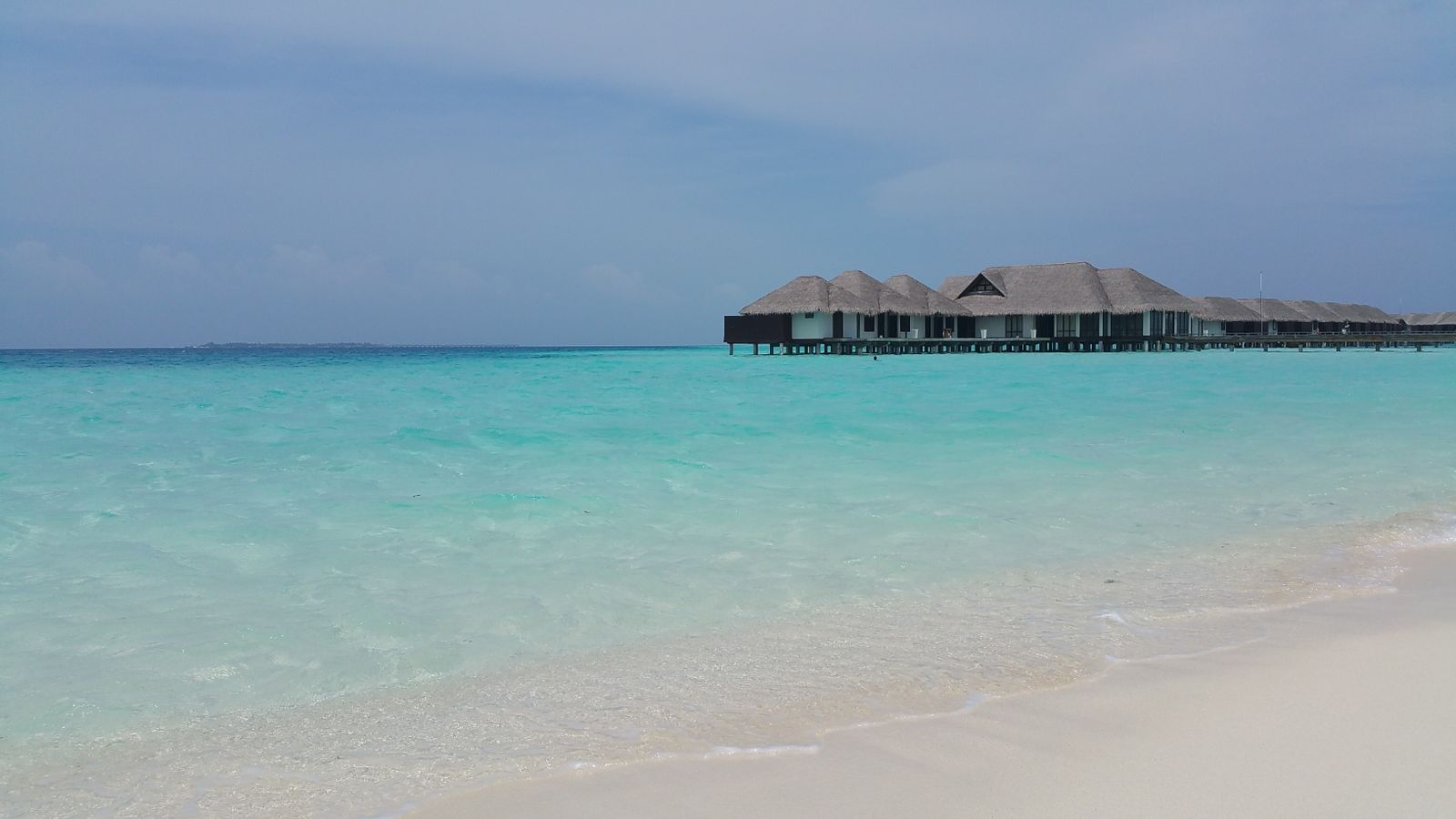
    Maldives beach and turquoise water

    The Maldives grants a free visa on arrival to all visitors, including Indians, usually for 30 days. It is the go-to honeymoon and luxury beach escape, and it is only a short flight away.

    Mauritius, Nepal and Bhutan

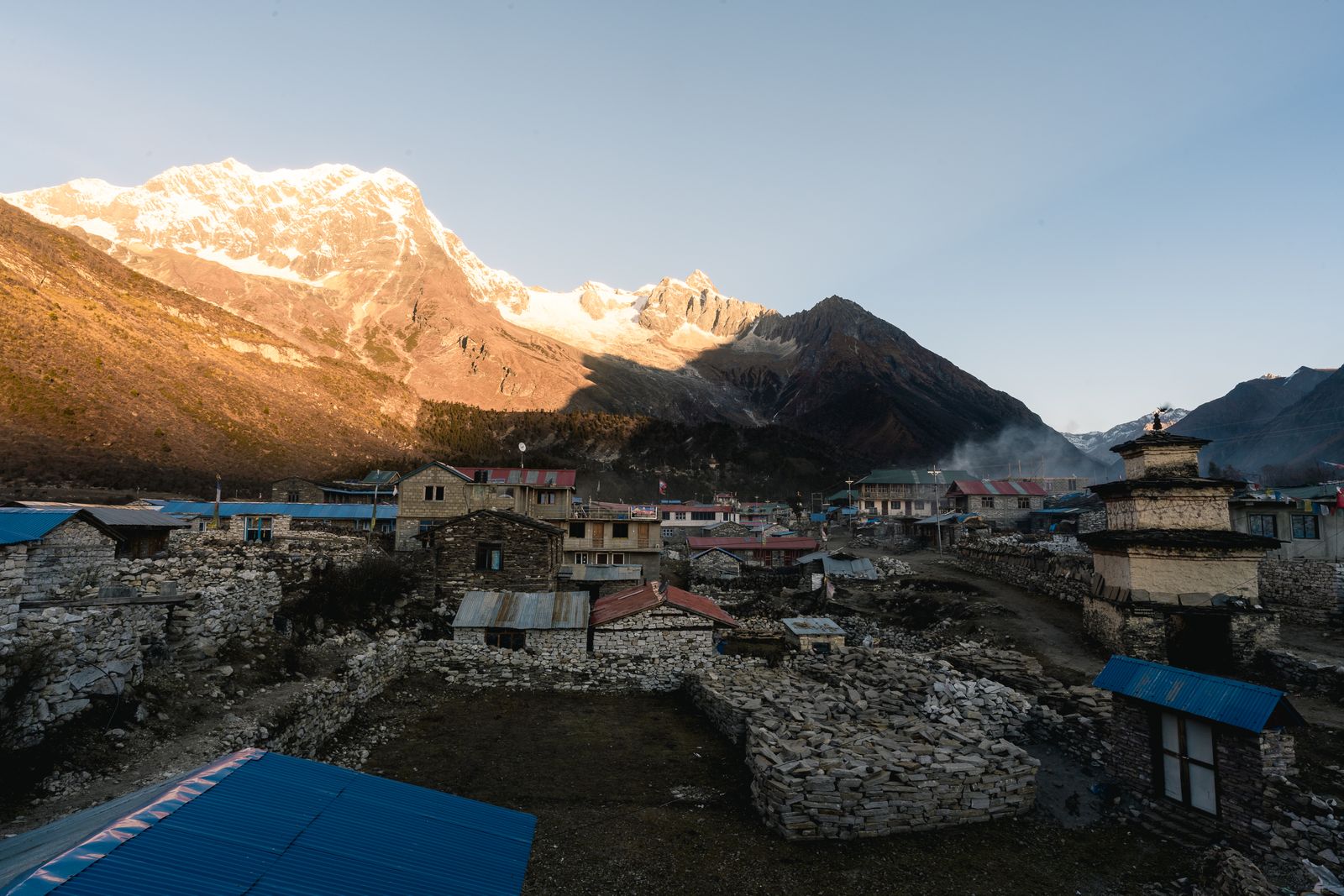
    Himalaya mountains in Nepal

    Mauritius allows visa-free entry for Indians for up to 90 days, ideal for beaches and a relaxed island pace. Nepal and Bhutan are effectively open to Indian citizens with minimal formalities, giving you the Himalayas almost as easily as domestic travel.

    Caribbean and island nations

    Caribbean beach with turquoise water

    Several island nations welcome Indians visa-free or with easy entry, including Barbados, Dominica, Grenada, Haiti, Trinidad and Tobago, Jamaica, Fiji and the Cook Islands. They are far, but they are genuinely paperwork-light for a bucket-list trip.

    Visa on arrival for Indian passport holders

    Here you do not arrange a visa before travel, you get it stamped when you land. Carry return tickets, hotel bookings and sometimes proof of funds.

    Indonesia

    Temple in Bali, Indonesia

    Indonesia offers Indians a visa on arrival, which covers Bali, Jakarta and beyond. Bali alone justifies the trip with beaches, culture and strong value for money. Find hotels in Bali on Agoda.

    Jordan, Laos, Cambodia and more

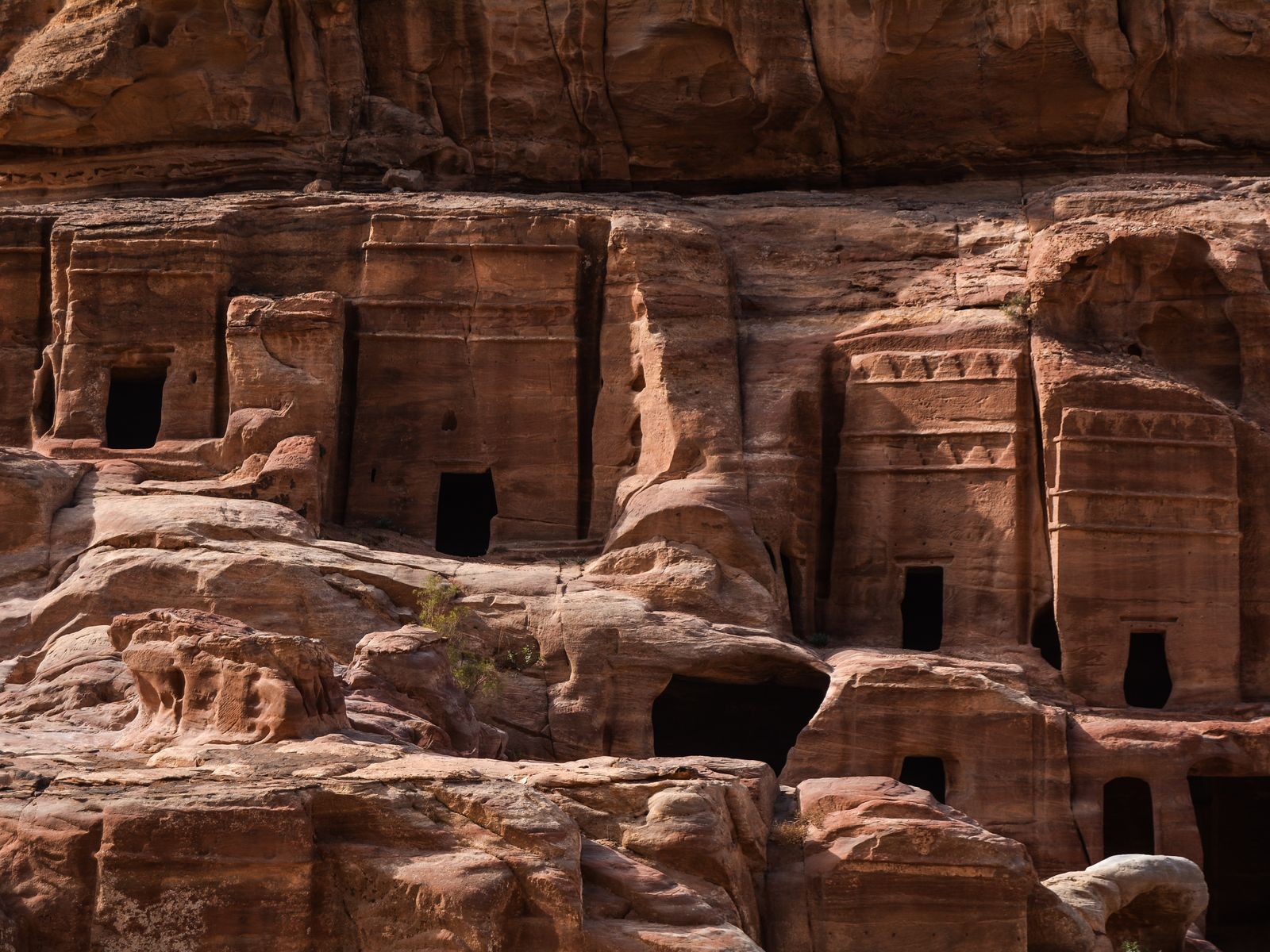
    Petra in Jordan

    Jordan gives visa on arrival and unlocks Petra, Wadi Rum and the Dead Sea. Laos and Cambodia both offer easy visa on arrival for temples, rivers and low-cost travel across Southeast Asia. Other visa-on-arrival options for Indians include Bolivia, Zimbabwe, Tanzania and several African nations, which pair well with safari trips.

    Kenya and Rwanda

    Safari wildlife in Kenya savanna

    Kenya and Rwanda have both simplified entry for Indian tourists, dropping advance visa requirements in favour of easy electronic or on-arrival systems. Both are superb for safaris, gorilla trekking and East African adventures.

    e-Visa and ETA countries

    These require a quick online application before you fly, usually approved in a few days. They are still far easier than a traditional embassy visa.

    Popular e-visa or ETA destinations for Indian passport holders include Vietnam, Myanmar, Kenya, Sri Lanka, Ethiopia, Azerbaijan, Uzbekistan, Qatar and many others. The United Arab Emirates, home to Dubai and Abu Dhabi, is best treated as a pre-arranged e-visa for Indians rather than free entry, and it is usually quick and cheap to obtain through your airline or hotel. Find hotels in Dubai on Agoda.

    How to plan and save on your trip

    Flights: book flexible and early for the visa-free favourites, they are popular with Indian travellers. Compare live flight deals.

    Hotels: start your search on the GlobeDude hotel search for the best rates across these destinations.

    Money: for spending abroad, an Indian forex travel card such as Scapia avoids markup on international spends, and is built for Indian travellers.

    Travel insurance: many countries expect proof of cover, and it protects you if plans change. SafetyWing is a popular option.

    See it for your own trip

    Visa rules change constantly, so the safest move is to check live. Open the Explorer, set India as your country, switch to the passport layer, and every country is colour coded by whether you can enter visa-free, on arrival, with an e-visa, or need a full visa. You can also plan around the weather with the Escape Season tool and see where your rupees stretch furthest with Where Your Salary Goes Furthest.

    Frequently asked questions

    How many countries can Indian passport holders visit without a prior visa in 2026?
    Around 56 destinations in 2026, through a mix of fully visa-free entry, visa on arrival, and electronic travel authorisations. The exact number shifts through the year as countries update their rules, so always check the live figure in the Explorer for your trip.

    Which is the best visa-free country for Indians right now?
    Thailand is the top all-round pick, with visa-free stays of up to 60 days, low costs and easy flights. Sri Lanka, Malaysia, the Maldives, Mauritius, Indonesia and Nepal are also outstanding and paperwork-light for Indian travellers.

    Is Dubai visa-free for Indian passport holders?
    Not fully. Indians generally need a pre-arranged UAE e-visa for Dubai and Abu Dhabi, but it is usually quick, affordable and easy to arrange online through an airline or hotel, so it feels close to visa on arrival in practice.

    What is the difference between visa-free, visa on arrival and e-visa?
    Visa-free means you can simply enter with your passport. Visa on arrival means you get the visa stamped at the airport when you land. An e-visa or ETA means you apply online before you fly and get approval in advance. All three are far simpler than a traditional embassy visa.

    Do I need a return ticket and hotel booking for visa-on-arrival countries?
    Usually yes. Most visa-on-arrival and visa-free countries expect a confirmed return or onward ticket, proof of accommodation, and sometimes proof of sufficient funds. Carry printed copies to be safe.

    Can I trust an online list of visa-free countries?
    Use it as a guide only. Visa policies change frequently, so verify the current rule for your nationality in the Explorer passport layer, and confirm with the official embassy or the airline before you book flights.

    Which visa-free countries are cheapest for Indian travellers?
    Sri Lanka, Nepal, Thailand, Indonesia, Vietnam and much of Southeast Asia offer the best value, with low daily budgets and short, affordable flights from India. Use the Explorer cost layer to compare daily budgets in your own currency.

    Visa information is community data and changes frequently. This is general guidance, not immigration advice. Always confirm the current rule for your nationality with the official embassy before booking. Some links above are affiliate links that support GlobeDude at no extra cost to you.
  • The Cheapest Countries to Travel in 2026

    The Cheapest Countries to Travel in 2026

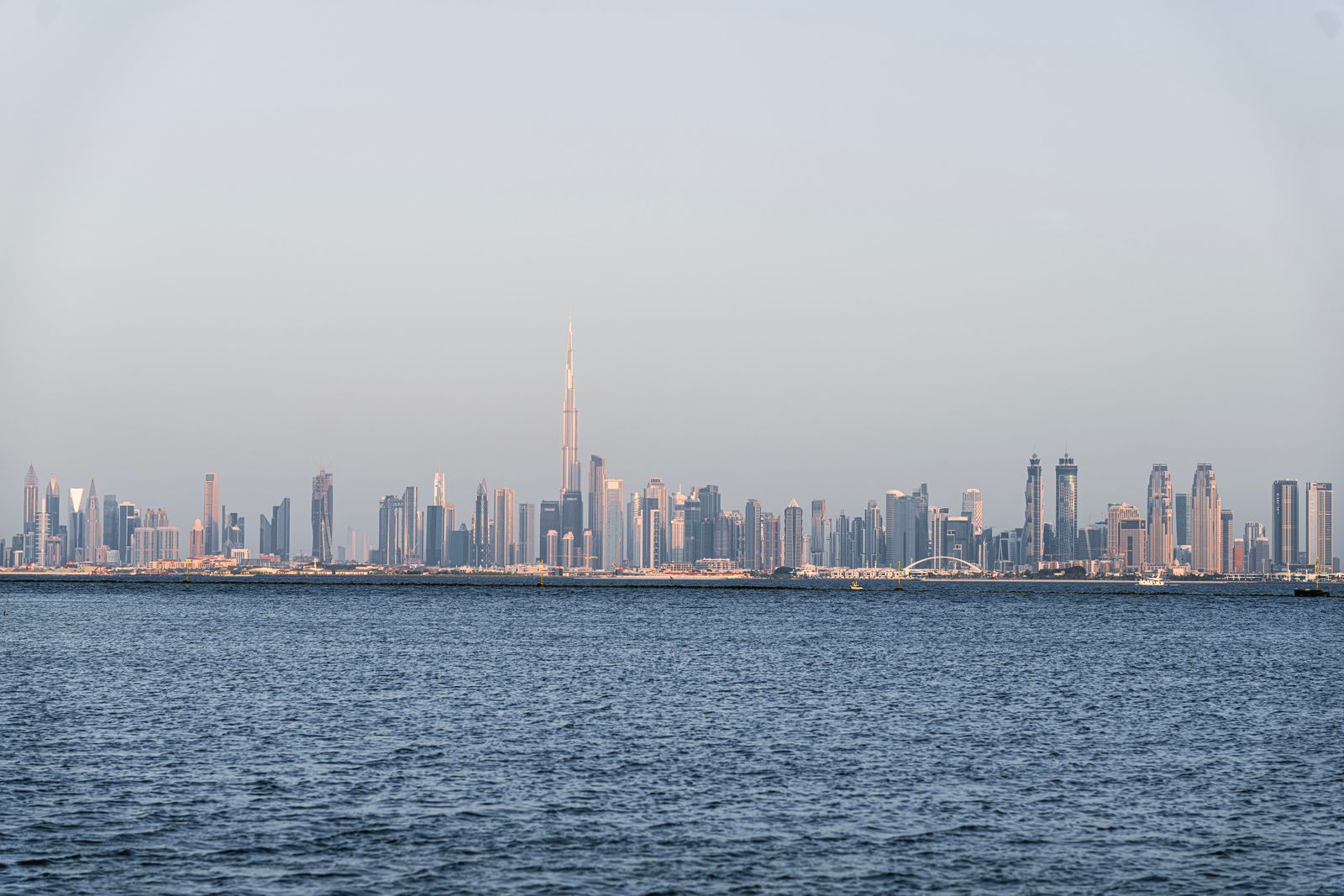
    Short answer: The cheapest countries to travel in 2026 are India, Nepal, Vietnam, Sri Lanka, Indonesia and Egypt, where a comfortable daily budget starts around 25 to 35 US dollars. Set your own country in the live widgets to see the exact difference.

    Cheap does not mean rough. Each of these gives you great food, stays and transport for a fraction of Western prices. Compare any of them to your home country in the GlobeDude Explorer.

    (more…)

  • Best Countries to Escape the Summer Heat in 2026 (Cool Places You Can Travel To Right Now)

    Best Countries to Escape the Summer Heat in 2026 (Cool Places You Can Travel To Right Now)

    When the heat becomes unbearable at home, the smartest travel move is not to fight it, it is to fly to where the weather is already pleasant. If you are sweating through a heatwave in India, the Gulf, southern Europe or the southern United States right now, this guide rounds up the best countries to escape the summer heat in 2026, split into two simple groups: cool northern summers, and the southern hemisphere where it is currently winter.

    Every destination below is chosen because it is genuinely mild or cool during the current season, not just famous. For a live, personalised version of this list, open our Escape Season tool, switch it to “Escape summer”, and it will rank cool destinations from your own country by how far your money goes. You can also compare any two places side by side in the GlobeDude Explorer.

    What is good to visit right now

    The map below updates automatically every month, so it always reflects the current season. Green means great weather for travel right now.

    Cool northern summers (mild, not freezing)

    Up north, summer is the sweet spot. Days are long, the landscape is green, and the temperature usually sits in a comfortable 15 to 22 degrees Celsius range instead of the 40-plus that tropical and desert regions endure.

    Iceland

    Iceland landscape, a cool summer escape

    Iceland is arguably the ultimate summer-heat escape. In July and August, Reykjavik hovers around 11 to 14 degrees Celsius, the famous Ring Road is fully open, and you get near 24 hours of daylight for waterfalls, geysers and glacier hikes. It is not a budget destination, so plan food and car rental carefully, but the scenery is unmatched. Best for road trips, photography and cool-weather hiking.

    Norway

    Norway fjord scenery in summer

    Norway pairs cool fjord air with spectacular scenery. Summer highs in Oslo and Bergen sit around 16 to 20 degrees Celsius, ideal for fjord cruises, the Flam railway and long hikes without the heat. Prices are high, but nature is free and endless. Best for fjords, scenic trains and slow, cool-weather sightseeing.

    United Kingdom

    Big Ben and Westminster Palace in London

    The UK rarely gets truly hot, which is exactly the point. London, Edinburgh and the Lake District usually sit in the pleasant high teens to low twenties in summer, perfect for city walking, castles and green countryside. It is well connected and easy for first-time long-haul travellers. Find hotels in London on Agoda. Best for culture, history and easy city breaks.

    Switzerland

    Swiss Alps mountains

    The Swiss Alps are a natural air conditioner. Valley cities like Zurich are mild in summer, and the moment you take a mountain train up to Interlaken, Zermatt or the Jungfrau region, the air turns crisp and cool. It is expensive, but the rail passes and mountain views justify it for many. Find hotels in Zurich on Agoda. Best for mountains, lakes and scenic rail.

    Canada

    Canada mountains and lake in summer

    Canada offers cool, comfortable summers in cities like Vancouver, Banff and the Rockies, generally in the high teens to low twenties. It is a strong pick for nature lovers who want lakes, mountains and clean mountain air without the crowds of Europe. Best for national parks, road trips and outdoor adventure.

    Netherlands

    Amsterdam canal in the Netherlands

    The Netherlands stays mild and breezy in summer, with Amsterdam usually in the high teens to low twenties. Flat, bike-friendly and packed with canals, museums and day trips, it is one of the easiest and most walkable escapes in Europe. Find hotels in Amsterdam on Agoda. Best for cycling, canals and relaxed city culture.

    Head south, where it is winter

    The clever trick for a July or August heat escape is to fly to the southern hemisphere, where the seasons are flipped. Their winter is mild, dry and pleasant in many places, and it is low season, so crowds and prices are often lower.

    New Zealand

    New Zealand mountains and lake

    New Zealand in the middle of the northern summer is deep in its winter. The South Island turns into a cool-weather playground with skiing near Queenstown, dramatic fjords and crisp, clear days. The North Island stays milder. Best for ski trips, adventure sports and epic landscapes.

    South Africa

    Cape Town, South Africa

    South Africa has one of the most comfortable winters anywhere. Cape Town sits around 16 to 18 degrees Celsius, and this is prime safari season in the north because dry weather pushes wildlife toward the water holes. The exchange rate is also very friendly for most visitors. Best for safaris, wine country and value-for-money city breaks.

    Australia

    Sydney, Australia harbour

    Australian winter is mild, especially in the north. Sydney sits around 17 to 18 degrees Celsius and stays sunny, while Queensland and the tropical north are warm but not brutal, making it peak season for the reef and beaches. Find hotels in Sydney on Agoda. Best for beaches up north, mild city breaks down south, and outdoor life.

    Argentina and Chile

    Patagonia mountains in Argentina and Chile

    Southern South America is cool and characterful in the northern summer. Buenos Aires and Santiago are mild, Patagonia is quiet and dramatic, and the Andes offer winter sports. For many currencies the region is also excellent value right now. Best for culture, wine, mountains and long-haul adventure.

    How to plan your summer escape

    Once you have picked a direction, a few tools make the trip cheaper and smoother:

    Flights: compare live fares and flexible dates so you catch the cheapest days to fly. Search flight deals here.

    Where to stay: lock in mid-range hotels early for the popular cool escapes, since northern summer and southern ski season both get busy. Start your hotel search on GlobeDude.

    Travel insurance: if you are hiking, skiing or doing adventure sports, get cover that includes it. SafetyWing is popular with travellers and remote workers.

    Spending money: avoid airport exchange counters and high card mark-ups. A Wise account gives you the real exchange rate and low fees when you spend or withdraw abroad.

    Find your own cool escape

    This list is a starting point. Your best options depend on where you are flying from, your budget and your passport. Open the Escape Season tool, set it to “Escape summer”, choose your home country, and it will show cool destinations you can actually reach, sorted by affordability and filtered by visa access. To go deeper on any country, use the Explorer for live cost, visa, currency and best-time data, or see how far your salary stretches with Where Your Salary Goes Furthest.

    Frequently asked questions

    Which is the best country to escape the summer heat?
    There is no single winner, it depends on where you fly from. For a cool northern summer, Iceland, Norway, the UK, Switzerland and Canada are hard to beat. For a warm-season getaway to somewhere in its mild winter, New Zealand, South Africa, Australia and Argentina are excellent. Use the Escape Season tool to rank them from your own country.

    Where is it cold in July and August?
    The whole southern hemisphere is in winter during July and August, so New Zealand, southern Australia, South Africa, Argentina and Chile are cool to cold. In the northern hemisphere, high-latitude and high-altitude places such as Iceland, Norway, Scotland, the Alps and the Canadian Rockies stay mild even at the peak of summer.

    Is it cheaper to travel to the southern hemisphere in the northern summer?
    Often yes. July and August are low season across much of the southern hemisphere, so flights and hotels in places like South Africa and parts of South America can be noticeably cheaper, and the weather is dry and pleasant. Ski regions in New Zealand and the Andes are the exception, since that is their high season.

    What should I pack for a summer heat escape?
    Layers. Even in mild northern summers, mornings, evenings and mountain areas can be cool, so bring a light jacket and a warm layer. For southern hemisphere winter trips, pack proper cold-weather clothing, especially for New Zealand, Patagonia and any ski destination.

    Do I need a visa for these countries?
    It depends entirely on your passport. Some of these destinations are visa-free or offer visa on arrival for many nationalities, while others need a visa arranged in advance. Check your exact rule in the Explorer passport layer before you book, and always confirm with the official embassy.

    When is the best time to visit Iceland or Norway to avoid heat?
    June to August is ideal. That is their warmest, driest and brightest season, yet daytime temperatures still usually stay in the low to high teens Celsius, which feels wonderfully cool if you are escaping a heatwave.

    How do I find the cheapest cool destination from my country?
    Use the free GlobeDude Escape Season tool. Pick your home country, switch to “Escape summer”, and it lists cool destinations you can travel to right now, sorted by how affordable they are and filtered by visa access, with live flight links.

    Weather notes are seasonal estimates, and cost, currency and visa details are community data that can change, so always confirm visas with the official embassy before booking. Some links above are affiliate links that support GlobeDude at no extra cost to you.
  • Scapia Card Review 2026: A Zero-Forex-Markup Travel Card for Indians

    Scapia Card Review 2026: A Zero-Forex-Markup Travel Card for Indians

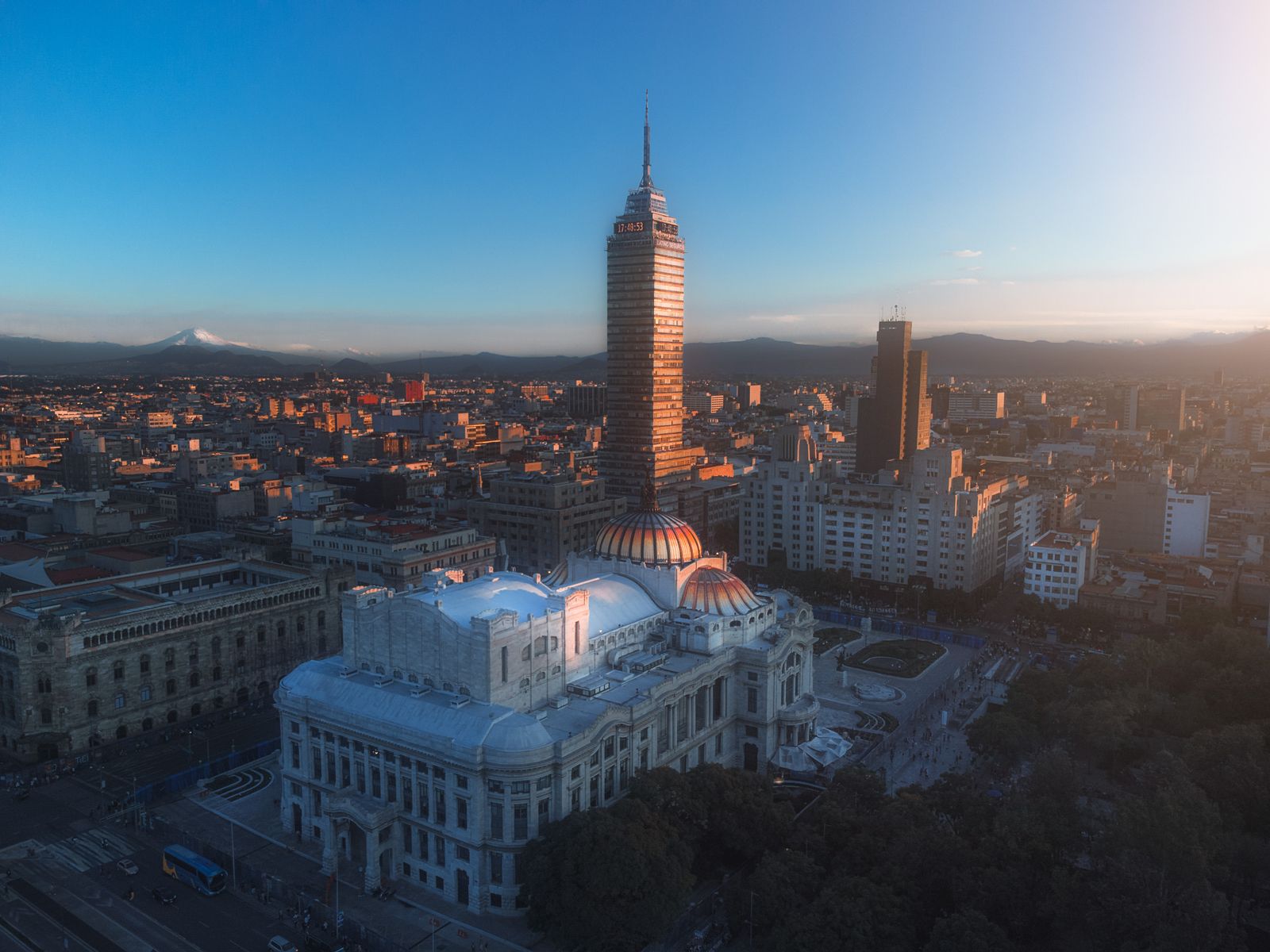
    Short answer: Most Indian cards quietly add 2 to 3.5% forex markup plus fees on every overseas spend. The Scapia credit card charges zero forex markup and adds travel rewards, which makes it one of the most travel-friendly cards for Indians in 2026. Terms change, so always confirm the latest before applying.

    If you travel abroad from India, the biggest silent cost is not flights or hotels. It is the forex markup baked into almost every card swipe and ATM withdrawal overseas. This guide breaks down that cost, how the Scapia card removes it, and whether it is worth it for you.

    Heads up: this post contains an affiliate referral link. GlobeDude may earn a reward if you apply through it, at no extra cost to you. This is general information, not financial advice, so check Scapia’s current terms and pick what suits you.
    (more…)

GlobeDude