Author: GlobeDude Team

  • 7 Day Greece Itinerary for 2026 (Athens, Santorini, Naxos and Real Costs)

    7 Day Greece Itinerary for 2026 (Athens, Santorini, Naxos and Real Costs)

    Greece has around two hundred inhabited islands, so a workable 7 day Greece itinerary means choosing two and resisting the rest. This route pairs Athens with Santorini for the famous caldera and Naxos for the Greece that people actually live in, which is the combination most first timers wish they had picked.

    See every price in your money. Pick your home country below and all the costs on this page update instantly.

    Quick facts before you book

    Best time to go: May to mid June, or September to early October. The sea is warm, ferries run a full timetable and the islands are not overwhelmed. July and August bring heat, peak prices and the strong meltemi wind that occasionally cancels sailings.

    Daily budget: around 115 US dollars a day for a comfortable mid range trip, or roughly 65 US dollars a day in guesthouses and family run tavernas.

    Visa: Greece is in the Schengen Area. Many nationalities enter visa free for short stays. Check your passport in the GlobeDude Explorer.

    The route at a glance

    Athens for two nights, ferry or fly to Santorini for two, ferry to Naxos for two, then fly back from Naxos or Santorini. Book the return leg carefully, because island to Athens connections thin out in shoulder season.

    Day by day

    Day 1: Arrive in Athens

    Stay in Plaka or Monastiraki, in walking distance of everything. Evening wander through the old streets under the floodlit Acropolis, then a rooftop dinner where the rock sits right there above the city. Athens rewards low expectations and then exceeds them.

    Day 2: Acropolis and the museum

    Acropolis at opening, because by ten in the morning there is no shade and no space. Then the Acropolis Museum, which holds the original sculptures and has a glass floor over the excavated city. Afternoon in the Ancient Agora, evening in Psyrri for food and noise.

    Day 3: To Santorini

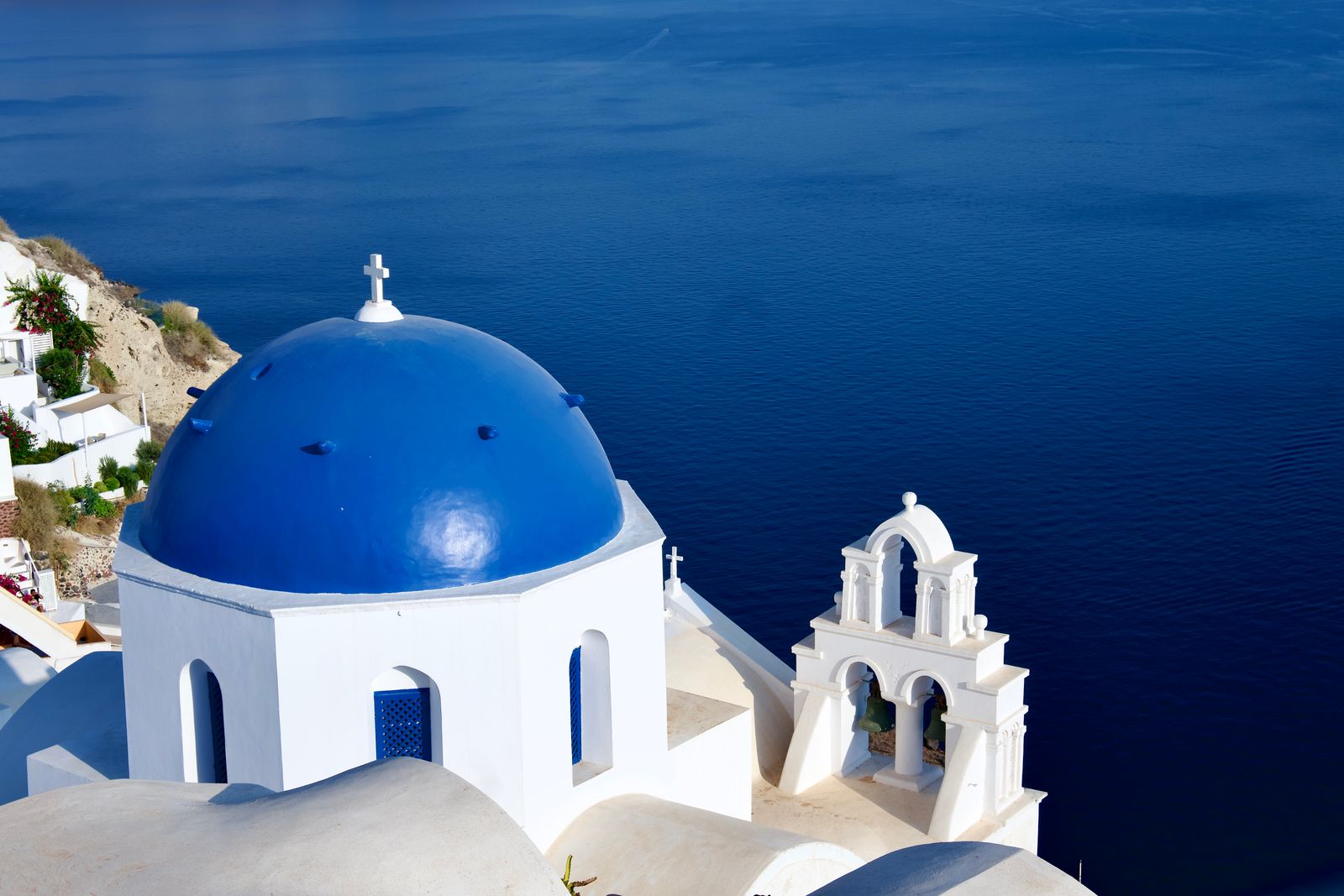
    The fast ferry takes around five hours, the flight forty five minutes. Arrive and go straight up to the caldera rim. Stay in Oia for the sunset crowds, Fira for convenience and nightlife, or Imerovigli for the view without either.

    Day 4: Caldera and villages

    Walk the rim path from Fira to Oia, about three hours along the cliff edge with the volcano across the water, ideally in the morning. Afternoon at a winery tasting assyrtiko grown in low baskets against the wind, or down at the red and black volcanic beaches. Sunset in Oia is genuinely crowded, so arrive early or watch from Imerovigli instead.

    Day 5: Ferry to Naxos

    Under two hours north. Naxos is bigger, greener and far less polished, with a proper working agricultural interior. The Portara, a giant marble doorway to an unfinished temple, stands on an islet by the harbour and frames the sunset.

    Day 6: Naxos beaches and mountain villages

    Long sandy beaches on the west coast at Agios Prokopios and Plaka, genuinely among the best in the Cyclades. Then rent a car or take the bus inland to Halki and Apeiranthos, marble villages in the mountains where the pace drops completely and lunch takes two hours.

    Day 7: Slow morning and fly home

    Swim, eat, and take the short flight from Naxos to Athens for your connection, or the ferry if your timings allow. Build in a buffer, because island departures are weather dependent.

    Travel money and cards for budgeting a trip to Greece
    Set your home country above and every figure below converts to your currency.

    What this week actually costs

    Per person for a mid range trip. Pick your home country above and the flight row updates with live return fares from your nearest hub:

    Expense Per person
    Accommodation, six nights 490 US dollars
    Food 255 US dollars
    Ferries and transport 235 US dollars
    Entries and tastings 130 US dollars
    Est. flights from your country Pick your country above
    Total for the week, with flights 1,110 US dollars

    See how that compares to your income in the Salary Goes Furthest tool.

    Where to stay

    Athens in Plaka or Koukaki, Santorini in Imerovigli for the caldera view without Oia prices, and Naxos in Chora or beside Agios Prokopios beach. Find hotels in Greece.

    Ferry advice

    Book island ferries in advance in summer, since the fast boats sell out. Check whether your ticket is for a high speed catamaran or a slower conventional ferry, because the time difference is substantial. Sailings can be cancelled in high wind, so never plan an island departure for the same day as an international flight.

    Book ahead

    The Acropolis uses timed entry, and Santorini catamaran cruises and wine tours fill in season. Browse tours and tickets in Greece on GetYourGuide.

    Stay connected

    Ferry times shift with the weather and are easiest to track live.

    📶 Travel eSIM
    Stay connected the moment you land
    Skip airport SIM queues and roaming fees. Grab a travel eSIM for your destination and get online the second you arrive, no physical SIM swap needed. Works on the Airalo website and app.
    🎁 Save up to 15% with code GLOBEDUDENEW (new users), or use GLOBEDUDE for 10% off if you already have Airalo
    Browse eSIM plans →
    GlobeDude may earn a commission if you buy through this link, at no extra cost to you. Discount codes valid until 31 Mar 2027.

    Pay at the real rate: a Wise account pays in euros at the true rate, and smaller tavernas and island cash machines are where the fees usually bite.

    Cover the trip: SafetyWing is a low cost monthly plan, worth having if you rent a scooter or quad.

    Find the fare: Compare flights to Greece, and check island airports as well as Athens for the return.

    Frequently asked questions

    Is 7 days enough for Greece?
    Seven days works for Athens plus two islands. Adding a third island means most of your time goes to ferries and check ins, so it is better to slow down and see two properly.

    How much does a week in Greece cost?
    Around 1,110 US dollars per person for a mid range week excluding international flights, covering hotels, food, ferries and entry tickets. Skipping Santorini for cheaper islands brings it closer to 750.

    What is the best month to visit Greece?
    May, June, September and early October give warm sea and full ferry schedules without peak crowds or prices. July and August are hottest and busiest, and winter sees many island businesses close entirely.

    Which Greek islands should I visit first?
    Santorini for the caldera views, Naxos or Paros for beaches and everyday Greek life, Milos for extraordinary coastline, and Crete if you want a whole trip on one island. Pairing a famous island with a quieter one gives the most balanced week.

    Should I fly or take the ferry between Greek islands?
    Ferries are cheaper, more frequent and part of the experience, while flights save hours on longer hops such as Athens to Santorini. On a seven day trip, flying one leg and sailing the other is a good compromise.

    Is Santorini worth it or too crowded?
    The caldera is genuinely spectacular and worth seeing once, but Oia at sunset is extremely crowded in season. Staying in Imerovigli, walking the rim path early and pairing it with a quieter island gives you the views without only crowds.

    This itinerary is AI assisted and reviewed before publishing. Costs, opening hours and transport schedules change, so confirm current details before you book. Some links above are affiliate links that support GlobeDude at no extra cost to you.
  • 7 Day Switzerland Itinerary for 2026 (Lucerne, Interlaken, Zermatt and Costs)

    7 Day Switzerland Itinerary for 2026 (Lucerne, Interlaken, Zermatt and Costs)

    Switzerland is small, vertical and superbly organised, so a 7 day Switzerland itinerary can cover lakes, glaciers and the Matterhorn entirely by train. This route runs Lucerne to the Jungfrau region to Zermatt, and answers the question everyone asks first, which is whether the Swiss Travel Pass actually pays for itself.

    See every price in your money. Pick your home country below and all the costs on this page update instantly.

    Quick facts before you book

    Best time to go: late June to September for hiking, open mountain railways and lake swimming. December to March for skiing. Late April to May is the awkward gap, when lower trails are muddy and some high lifts are closed for maintenance.

    Daily budget: around 235 US dollars a day for a comfortable mid range trip, or roughly 140 US dollars a day using hostels, supermarkets and picnics.

    Visa: Switzerland is in the Schengen Area but not the European Union. Many nationalities enter visa free for short stays. Check yours in the GlobeDude Explorer.

    The route at a glance

    Lucerne for two nights, the Jungfrau region based in Interlaken or Lauterbrunnen for three, then Zermatt for two. All by train, all scenic.

    Day by day

    Day 1: Arrive in Lucerne

    An easy first stop, with a covered wooden bridge from the fourteenth century, a lake ringed by mountains and a compact old town you can see in an afternoon. Walk the Musegg wall towers, which are free and give you the rooftops.

    Day 2: Mount Pilatus or Rigi

    Take the classic golden round trip up Pilatus, combining boat, the world’s steepest cogwheel railway, cable cars and a bus. Rigi is the gentler, cheaper alternative with equally good views and fewer people. Either way you are above the cloud line by mid morning.

    Day 3: Into the Jungfrau region

    Train to Interlaken, then up into the valley. Lauterbrunnen sits in a trench with seventy two waterfalls dropping off the cliffs, and Staubbach falls almost onto the village. Stay up in Wengen or Murren, car free villages on the ledges above, rather than down in Interlaken.

    Day 4: Jungfraujoch or a hike

    Jungfraujoch, the highest railway station in Europe, takes you to a glacier saddle at over three thousand metres. It is expensive and worth it only on a clear day, so keep it flexible. The alternative is the Schynige Platte to First hike, one of the great day walks in the Alps.

    Day 5: Grindelwald and lakes

    Grindelwald First for the cliff walk and the view onto the Eiger north face, or drop down for a day on Lake Thun and Lake Brienz, whose water is an improbable turquoise. Boat between the lakeside villages if the weather turns.

    Day 6: Train to Zermatt

    A long but beautiful rail day through the Rhone valley. Zermatt is car free and the Matterhorn stands at the end of the main street looking almost artificial. Take the Gornergrat cogwheel railway up for the classic view over the glacier.

    Day 7: Last mountain morning

    Sunrise on the Matterhorn from the bridge at the end of town, then either the Matterhorn Glacier Paradise cable car or a short valley walk before your train out to Zurich or Geneva.

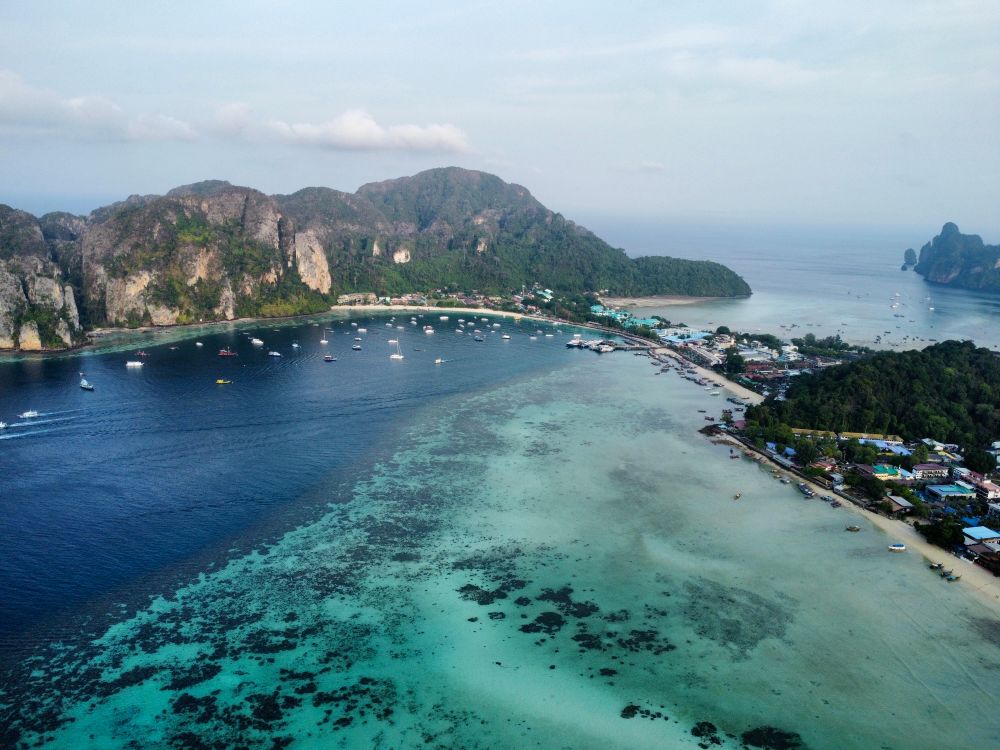
    Swiss Alps scenery on a seven day Switzerland itinerary
    Set your home country above and every figure below converts to your currency.

    What this week actually costs

    Per person for a mid range trip. Pick your home country above and the flight row updates with live return fares from your nearest hub:

    Expense Per person
    Accommodation, six nights 790 US dollars
    Food 430 US dollars
    Trains and mountain railways 490 US dollars
    Extras 140 US dollars
    Est. flights from your country Pick your country above
    Total for the week, with flights 1,850 US dollars

    Check it against your income in the Salary Goes Furthest tool.

    Is the Swiss Travel Pass worth it?

    For this route, usually yes. It covers all trains, buses and boats, gives free entry to most museums, and discounts the expensive mountain railways rather than covering them fully. The pass wins when you are moving between regions most days, as here. It loses if you plan to base yourself in one valley and hike, since local lift passes are then better value. Add up your specific legs before buying, because the answer genuinely changes with the itinerary.

    Where to stay

    Lucerne old town, then Wengen, Murren or Lauterbrunnen for the mountains, then Zermatt village. Find hotels in Switzerland.

    Book ahead

    Jungfraujoch tickets, Glacier Express seats and summer mountain huts all need reserving. Browse mountain excursions in Switzerland on GetYourGuide.

    Stay connected

    Live weather and webcams decide your mountain days here, so being online genuinely changes your trip.

    📶 Travel eSIM
    Stay connected the moment you land
    Skip airport SIM queues and roaming fees. Grab a travel eSIM for your destination and get online the second you arrive, no physical SIM swap needed. Works on the Airalo website and app.
    🎁 Save up to 15% with code GLOBEDUDENEW (new users), or use GLOBEDUDE for 10% off if you already have Airalo
    Browse eSIM plans →
    GlobeDude may earn a commission if you buy through this link, at no extra cost to you. Discount codes valid until 31 Mar 2027.

    Pay at the real rate: Switzerland uses francs, not euros, and a Wise account avoids paying the tourist rate twice over.

    Cover the trip: SafetyWing is a low cost monthly plan, sensible if you are hiking at altitude.

    Find the fare: Compare flights to Switzerland, into Zurich and out of Geneva or the reverse.

    Frequently asked questions

    Is 7 days enough for Switzerland?
    Seven days covers three regions comfortably, such as Lucerne, the Jungfrau and Zermatt. Trying to add Geneva, Ticino and St Moritz in the same week turns it into a rail marathon with little time on the mountains.

    How much does a week in Switzerland cost?
    Around 1,850 US dollars per person for a mid range week excluding international flights. Mountain railways are the biggest single expense, and self catering plus a well chosen rail pass can bring it under 1,200.

    Is the Swiss Travel Pass worth buying?
    For a multi region route like this one it usually pays for itself, since it covers all trains, boats and buses and discounts mountain railways. If you are staying in one valley the whole time, individual tickets and a local lift pass generally work out cheaper.

    What is the best month to visit Switzerland?
    July to September for hiking and fully open mountain railways, and December to March for skiing. Late April and May see many high lifts closed for maintenance between seasons.

    Is Jungfraujoch worth the money?
    Only on a clear day. It is one of the most expensive excursions in Europe, and in cloud you pay a great deal to stand in fog. Keep the day flexible and check the summit webcam before committing.

    Interlaken or Lauterbrunnen, where should I stay?
    Lauterbrunnen and the car free villages above it, Wengen and Murren, put you in the scenery rather than beside it. Interlaken has more hotels, restaurants and transport links but sits between the lakes rather than in the mountains.

    This itinerary is AI assisted and reviewed before publishing. Costs, opening hours and transport schedules change, so confirm current details before you book. Some links above are affiliate links that support GlobeDude at no extra cost to you.
  • 7 Day Italy Itinerary for 2026 (Rome, Florence, Venice and Real Costs)

    7 Day Italy Itinerary for 2026 (Rome, Florence, Venice and Real Costs)

    The classic 7 day Italy itinerary is classic for a reason. Rome, Florence and Venice sit on one fast train line, each is completely different from the others, and a week is exactly enough to do all three without rushing. This guide adds the part most itineraries leave out, which is what the week actually costs.

    See every price in your money. Pick your home country below and all the costs on this page update instantly.

    Quick facts before you book

    Best time to go: April to early June, or late September to October. Warm without the August heat, and the queues are shorter. August is hot, crowded and the month many Italian businesses close for holidays.

    Daily budget: around 125 US dollars a day for a comfortable mid range trip, or roughly 75 US dollars a day in guesthouses eating at trattorias and pizzerias.

    Visa: Italy is in the Schengen Area. Many nationalities enter visa free for short stays. Check your passport rule in the GlobeDude Explorer.

    The route at a glance

    Rome for three nights, Florence for two, Venice for two. High speed trains link all three in under two hours each leg, so fly into Rome and out of Venice.

    Day by day

    Day 1: Arrive in Rome

    Ease in with the centre on foot. The Pantheon is free and still the most impressive room in the city two thousand years on. Trevi Fountain, Piazza Navona, then dinner in Trastevere across the river where the lanes are narrow and the crowds thin out.

    Day 2: Ancient Rome

    Colosseum first thing with a timed ticket, then the Roman Forum and Palatine Hill on the same pass. Take water and a hat, because there is almost no shade. Afternoon at Capitoline Museums or a long lunch, then sunset from the Orange Garden on the Aventine.

    Day 3: Vatican

    St Peter’s Basilica and the Vatican Museums, ending at the Sistine Chapel. Book the earliest entry you can, because by mid morning the corridors are shoulder to shoulder. Climb the dome for the view along the avenue to the river. Afternoon free for Villa Borghese.

    Day 4: Train to Florence

    Ninety minutes north. Florence is small enough to cross on foot in twenty minutes. Duomo and the baptistery doors, then simply walk. Sunset from Piazzale Michelangelo across the river, looking back over the terracotta dome, is the view everyone remembers.

    Day 5: Renaissance Florence

    The Uffizi for Botticelli and the Accademia for the David, both pre booked. Cross the Ponte Vecchio to the Oltrarno for artisan workshops and better value food. If galleries are not your thing, take a half day into the Chianti hills for wine instead.

    Day 6: Train to Venice

    Two hours to a city with no cars. Take the vaporetto down the Grand Canal rather than a taxi, because it costs a fraction and shows you the whole thing. St Mark’s Square, the basilica, and then deliberately get lost in Cannaregio or Dorsoduro after dark when the day visitors have left.

    Day 7: Islands or palaces, then fly out

    Either the Doge’s Palace and its prison bridge, or the boat out to Murano and Burano for glass furnaces and painted fishermen’s houses. Venice airport is reachable by boat, which is a good last look at the lagoon.

    Travel money and cards for budgeting a trip to Italy
    Set your home country above and every figure below converts to your currency.

    What this week actually costs

    Per person for a mid range trip. Pick your home country above and the flight row updates with live return fares from your nearest hub:

    Expense Per person
    Accommodation, six nights 530 US dollars
    Food 285 US dollars
    Trains and transport 190 US dollars
    Entries 165 US dollars
    Est. flights from your country Pick your country above
    Total for the week, with flights 1,170 US dollars

    See what that means for your income in the Salary Goes Furthest tool.

    Where to stay

    In Rome, Monti or Trastevere for character, Prati for calm. In Florence, anywhere in the centre or across the river in the Oltrarno. In Venice, staying overnight in the old city is worth the premium once the crowds leave. Find hotels in Rome.

    Getting around

    Book high speed trains in advance for the cheap fares and validate nothing, because e-tickets on your phone are fine. Skip taxis in Venice, which are extremely expensive, and use the vaporetto water buses instead.

    Book ahead

    The Colosseum, Vatican Museums, Uffizi and Accademia all use timed entry and sell out weeks ahead in season. This is the single biggest mistake first timers make in Italy. Browse skip the line tickets and tours in Italy on GetYourGuide.

    Stay connected

    Train tickets, museum bookings and navigating Venice all depend on your phone.

    📶 Travel eSIM
    Stay connected the moment you land
    Skip airport SIM queues and roaming fees. Grab a travel eSIM for your destination and get online the second you arrive, no physical SIM swap needed. Works on the Airalo website and app.
    🎁 Save up to 15% with code GLOBEDUDENEW (new users), or use GLOBEDUDE for 10% off if you already have Airalo
    Browse eSIM plans →
    GlobeDude may earn a commission if you buy through this link, at no extra cost to you. Discount codes valid until 31 Mar 2027.

    Pay at the real rate: decline the card machine offer to charge you in your home currency, and use a Wise account to pay in euros at the true rate.

    Cover the trip: SafetyWing is a low cost monthly plan built for travelers.

    Find the fare: Compare flights to Italy, flying into Rome and out of Venice.

    Frequently asked questions

    Is 7 days enough for Italy?
    Seven days is right for Rome, Florence and Venice at a steady pace. Adding the Amalfi Coast, Cinque Terre or Tuscany’s hill towns to the same week means long transfers and very little time in each place.

    How much does a week in Italy cost?
    Around 1,170 US dollars per person for a mid range week excluding international flights, covering hotels, food, fast trains and the major timed entry tickets. A budget version runs closer to 700.

    What is the best month to visit Italy?
    April to early June and late September to October offer warm weather with thinner crowds. August is hot and busy, and many family run restaurants close for the summer holidays.

    In what order should I visit Rome, Florence and Venice?
    South to north is easiest, starting in Rome and finishing in Venice, because it follows the main high speed line and lets you fly home from a different airport than you arrived at without paying more.

    Do I need to book Italian museums in advance?
    Yes. The Colosseum, Vatican Museums, Uffizi and Accademia all require timed entry and regularly sell out in peak season. Book these before anything else in your trip.

    Is Italy expensive to travel in?
    Moderately. Accommodation in Venice and Florence is the main cost, while food can be very reasonable if you eat where locals do rather than beside the major sights. Standing at the bar for coffee costs a fraction of sitting down.

    This itinerary is AI assisted and reviewed before publishing. Costs, opening hours and transport schedules change, so confirm current details before you book. Some links above are affiliate links that support GlobeDude at no extra cost to you.

  • 7 Day Croatia Itinerary for 2026 (Dubrovnik, Split, Islands and Plitvice)

    7 Day Croatia Itinerary for 2026 (Dubrovnik, Split, Islands and Plitvice)

    Croatia’s coast is long, so a sensible 7 day Croatia itinerary picks one stretch and does it well. This route covers Dubrovnik’s walls, Split’s Roman palace, one Dalmatian island and the waterfalls of Plitvice, travelling north so you finish near the better flight connections.

    See every price in your money. Pick your home country below and all the costs on this page update instantly.

    Quick facts before you book

    Best time to go: late May to June, or September. The sea is warm, the ferries run a full schedule and the crowds are manageable. July and August are hot, expensive and extremely busy, especially in Dubrovnik when cruise ships are in.

    Daily budget: around 110 US dollars a day for a comfortable mid range trip, or roughly 65 US dollars a day staying in apartments and self catering.

    Visa: Croatia is in the Schengen Area and uses the euro. Many nationalities enter visa free for short stays. Confirm yours in the GlobeDude Explorer.

    The route at a glance

    Dubrovnik for two nights, ferry or bus north to Split for two, an island night on Hvar, then inland to Plitvice before flying out of Zagreb or back from Split.

    Day by day

    Day 1: Arrive in Dubrovnik

    Stay just outside the old town, where prices drop sharply and the walk in takes ten minutes. Evening is the right time for the marble streets, once the day trippers have gone and the limestone glows under the lamps. Dinner in a side alley rather than on the main Stradun.

    Day 2: City walls and Lokrum

    Walk the walls at opening time, before the heat and the queues. The full circuit takes about two hours with photo stops and gives you the whole terracotta rooftop panorama. Afternoon on Lokrum island, ten minutes by boat, for swimming and shade. Cable car up Srd for sunset.

    Day 3: North to Split

    Take the catamaran up the coast if the season allows, which is far more scenic than the bus, or the bus if not. Arrive in Split and walk straight into Diocletian’s Palace, a Roman emperor’s retirement complex that the city simply never stopped living inside.

    Day 4: Split and Marjan

    Morning in the palace cellars and the cathedral bell tower, then climb Marjan hill for pine forest, sea views and quiet coves to swim from. Evening on the Riva waterfront, which is where the whole city goes to walk before dinner.

    Day 5: Hvar island

    Ferry to Hvar. Lavender fields, a hilltop fortress over the harbour and clear water everywhere. Hvar town is the lively one, Stari Grad is the calm alternative with an old plain of stone walled fields still farmed as the Greeks laid them out. Stay the night rather than day tripping.

    Day 6: Plitvice Lakes

    Back to the mainland and inland to Plitvice. Sixteen terraced lakes linked by waterfalls, connected by wooden walkways that run right across the water. Arrive late afternoon, stay nearby, and enter at opening the next morning before the coaches.

    Day 7: Plitvice morning and fly out

    Walk the lower lakes early, when the light comes through the mist and you have the boardwalks nearly to yourself. Then drive or transfer to Zagreb, about two hours, for your flight home.

    Travel money and cards for budgeting a trip to Croatia
    Set your home country above and every figure below converts to your currency.

    What this week actually costs

    Per person for a mid range trip. Pick your home country above and the flight row updates with live return fares from your nearest hub:

    Expense Per person
    Accommodation, six nights 470 US dollars
    Food 240 US dollars
    Ferries, buses and transfers 185 US dollars
    Entries 140 US dollars
    Est. flights from your country Pick your country above
    Total for the week, with flights 1,035 US dollars

    Compare it to your income in the Salary Goes Furthest tool.

    Where to stay

    In Dubrovnik, Ploce or Lapad rather than inside the walls, for both price and quiet. In Split, within walking distance of the palace. Near Plitvice, the villages of Rastovaca or Jezerce put you at the gates. Find hotels in Croatia.

    Getting around

    Ferries and catamarans link the coast and islands, but schedules thin out dramatically outside summer, so check them before committing to an island night. Buses are frequent and cheap. A car only helps for Plitvice and the inland leg.

    Book ahead

    Plitvice uses timed entry and sells out in season, and the Dubrovnik walls are best with a pre booked early slot. Browse tours and tickets in Croatia on GetYourGuide.

    Stay connected

    Ferry timetables change with the season and are easiest to check live on your phone.

    📶 Travel eSIM
    Stay connected the moment you land
    Skip airport SIM queues and roaming fees. Grab a travel eSIM for your destination and get online the second you arrive, no physical SIM swap needed. Works on the Airalo website and app.
    🎁 Save up to 15% with code GLOBEDUDENEW (new users), or use GLOBEDUDE for 10% off if you already have Airalo
    Browse eSIM plans →
    GlobeDude may earn a commission if you buy through this link, at no extra cost to you. Discount codes valid until 31 Mar 2027.

    Pay at the real rate: Croatia now uses the euro, and a Wise account avoids the card markup on every transaction.

    Cover the trip: SafetyWing is a low cost monthly plan built for travelers.

    Find the fare: Compare flights to Croatia, flying into Dubrovnik and out of Zagreb or Split.

    Frequently asked questions

    Is 7 days enough for Croatia?
    Seven days covers the Dalmatian coast from Dubrovnik to Split with one island and Plitvice. It is not enough to add Istria and the northern coast as well, which would leave you spending the week on buses.

    How much does a week in Croatia cost?
    Around 1,035 US dollars per person for a mid range week excluding international flights, covering accommodation, food, ferries and entry tickets. Self catering apartments bring it closer to 650.

    What is the best month to visit Croatia?
    Late May, June and September give warm sea, full ferry schedules and far fewer people than peak summer. July and August are hottest and busiest, and many island ferries reduce service from November to April.

    Dubrovnik or Split, which is better?
    Dubrovnik is the more spectacular single sight with its walls and old town, but it is small, expensive and crowded when ships dock. Split is a working city with a Roman palace at its heart, better value and a better base for island hopping.

    Is Plitvice worth visiting?
    Yes, it is the finest natural attraction in the country, with terraced lakes and waterfalls crossed by boardwalks. Go at opening or late afternoon, because the middle of the day in summer is genuinely crowded on narrow walkways.

    Which Croatian island should I visit?
    Hvar for lavender fields, nightlife and easy ferry links, Brac for the Zlatni Rat beach, Vis for the quietest and least developed feel, and Korcula for a walled old town in miniature. Hvar suits a single island night best.

    This itinerary is AI assisted and reviewed before publishing. Costs, opening hours and transport schedules change, so confirm current details before you book. Some links above are affiliate links that support GlobeDude at no extra cost to you.
  • 7 Day Norway Itinerary for 2026 (Oslo, Bergen, Fjords and Real Costs)

    7 Day Norway Itinerary for 2026 (Oslo, Bergen, Fjords and Real Costs)

    Norway is the most expensive country in this series and the one most worth the money. A 7 day Norway itinerary built around the Oslo to Bergen railway and a fjord cruise gives you the best of the country without a car, and this guide is honest about what it costs.

    See every price in your money. Pick your home country below and all the costs on this page update instantly.

    Quick facts before you book

    Best time to go: June to August for long days, open mountain roads and the midnight sun in the far north. September brings autumn colour and lower prices. For northern lights you want a different trip entirely, to Tromso between October and March.

    Daily budget: around 215 US dollars a day for a comfortable mid range trip, or roughly 130 US dollars a day using hostels, supermarkets and self catering.

    Visa: Norway is in the Schengen Area despite not being in the European Union. Check your passport rule in the GlobeDude Explorer.

    The route at a glance

    Oslo for two nights, then the Bergen railway across the mountains with the Flam detour and a fjord cruise, then Bergen for three nights with a day trip. One direction, west to the coast.

    Day by day

    Day 1: Arrive in Oslo

    Compact, walkable and greener than you expect. Walk the harbour at Aker Brygge, see the Opera House where you can walk up the roof, and stroll Karl Johans gate. If the weather is good, the islands in the fjord are a short public ferry ride and cost the same as a bus ticket.

    Day 2: Oslo museums

    The Viking Ship Museum, the Fram polar exploration museum and the Munch museum are the three that justify their entry fees. Vigeland sculpture park is free and strange in the best way, with hundreds of stone and bronze figures. Eat before the city centre prices catch you off guard.

    Day 3: The Bergen railway and Flam

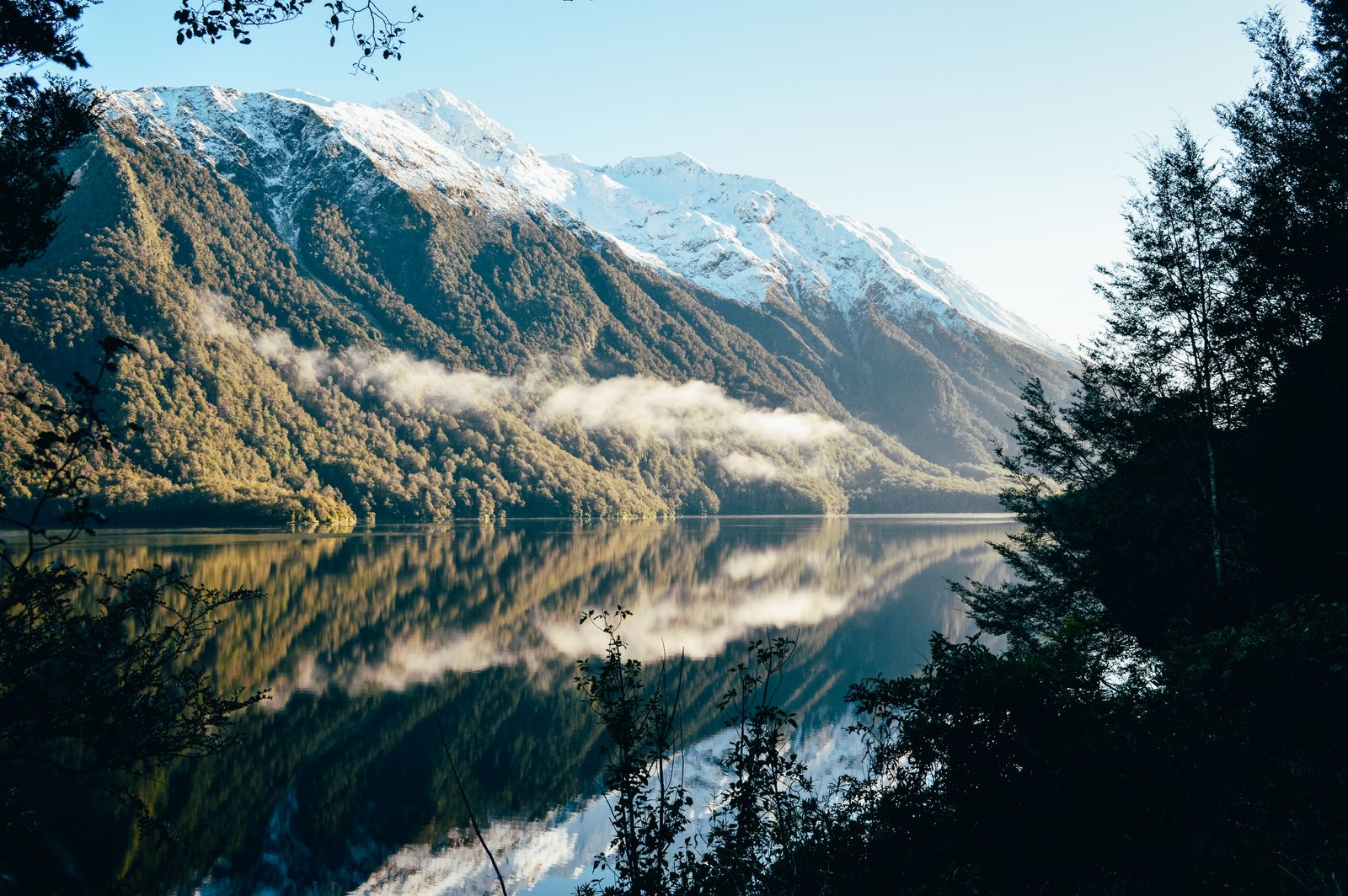
    One of the world’s great train journeys, climbing from the city onto a high plateau of snow and lakes even in summer. Change at Myrdal for the Flam railway, which drops steeply past waterfalls into the fjord. Overnight in Flam or Aurland.

    Day 4: Fjord cruise to Bergen

    Cruise the Naeroyfjord, the narrowest and most dramatic arm of the Sognefjord, with cliffs rising straight out of the water and farms clinging impossibly to ledges. Continue by boat and bus or rejoin the train to Bergen for the evening.

    Day 5: Bergen

    The Bryggen wharf, with its crooked wooden merchant houses, is the postcard and deserves the slow walk through its back passages. Take the funicular up Floyen for the view over the harbour, and visit the fish market for a very expensive but very good bowl of soup.

    Day 6: Fjord day trip or hike

    Either take a day cruise on the Hardangerfjord, or if you are fit and the season allows, tackle one of the famous hikes. Trolltunga is a long full day and not to be underestimated. Ulriken gives you a fraction of the effort with much of the reward.

    Day 7: Last morning and fly out

    Coffee in the old town, then Bergen airport, which is small and easy. Flying out of Bergen rather than back to Oslo saves you a full day on the train.

    Travel money and cards for budgeting a trip to Norway
    Set your home country above and every figure below converts to your currency.

    What this week actually costs

    Per person for a mid range trip. Pick your home country above and the flight row updates with live return fares from your nearest hub:

    Expense Per person
    Accommodation, six nights 720 US dollars
    Food 430 US dollars
    Trains, boats and transport 390 US dollars
    Entries and activities 130 US dollars
    Est. flights from your country Pick your country above
    Total for the week, with flights 1,670 US dollars

    Check what that means for your income in the Salary Goes Furthest tool.

    How to bring the cost down

    Alcohol is heavily taxed, so drinking out is where budgets quietly collapse. Supermarket lunches, tap water which is excellent everywhere, and accommodation with a kitchen make the biggest difference. Book train tickets the moment they are released for the cheapest fares, which can be a fraction of the walk up price.

    Where to stay

    Oslo city centre for walkability, Flam or Aurland for the fjord night, and central Bergen near Bryggen. Find hotels in Norway.

    Book ahead

    The Flam railway, fjord cruises and summer hikes all sell out, and the popular sailings go first. Browse fjord cruises and tours in Norway on GetYourGuide.

    Stay connected

    Norway is almost entirely cashless, and tickets, ferries and parking all run through apps.

    📶 Travel eSIM
    Stay connected the moment you land
    Skip airport SIM queues and roaming fees. Grab a travel eSIM for your destination and get online the second you arrive, no physical SIM swap needed. Works on the Airalo website and app.
    🎁 Save up to 15% with code GLOBEDUDENEW (new users), or use GLOBEDUDE for 10% off if you already have Airalo
    Browse eSIM plans →
    GlobeDude may earn a commission if you buy through this link, at no extra cost to you. Discount codes valid until 31 Mar 2027.

    Pay at the real rate: you will use a card for everything here, so the exchange markup adds up fast. A Wise account pays in kroner at the true rate.

    Cover the trip: SafetyWing is a low cost monthly plan, worth having if you are hiking.

    Find the fare: Compare flights to Norway, flying into Oslo and out of Bergen.

    Frequently asked questions

    Is 7 days enough for Norway?
    Seven days covers Oslo, the Bergen railway, one fjord and Bergen itself at a good pace. It is not enough to add the Lofoten Islands or the far north, which need their own trip and separate flights.

    How much does a week in Norway cost?
    Around 1,670 US dollars per person for a mid range week excluding international flights. Self catering, supermarket lunches and early booked train tickets can bring it closer to 1,000.

    What is the best month to visit Norway?
    June to August for long daylight, open roads and all boat services running. September is quieter with autumn colour. Winter is for northern lights in the far north rather than fjord touring.

    Can I see the northern lights on this itinerary?
    No. This route runs through southern Norway, and the aurora needs the far north between roughly October and March. Tromso or the Lofoten Islands in winter is a completely different trip.

    Is Norway in a Nutshell worth it?
    The route of train, fjord cruise and bus is genuinely spectacular and covers the highlights efficiently. You can book the exact same trains and boats individually, which usually costs less than the packaged version.

    Why is Norway so expensive?
    High wages, high taxes and a strong economy push up the price of labour, which shows up in restaurants, hotels and alcohol most of all. Groceries, public transport and nature itself are far more reasonable, which is why self catering changes the maths so much.

    This itinerary is AI assisted and reviewed before publishing. Costs, opening hours and transport schedules change, so confirm current details before you book. Some links above are affiliate links that support GlobeDude at no extra cost to you.
  • 7 Day Spain Itinerary for 2026 (Barcelona, Madrid, Seville and What It Costs)

    7 Day Spain Itinerary for 2026 (Barcelona, Madrid, Seville and What It Costs)

    Spain’s high speed trains make a 7 day Spain itinerary far more ambitious than the map suggests. Barcelona to Madrid takes about two and a half hours, and Madrid to Seville about the same, so you can see three genuinely different cities in a week without a single early flight.

    See every price in your money. Pick your home country below and all the costs on this page update instantly.

    Quick facts before you book

    Best time to go: April to early June, or September to October. Seville and Madrid are punishing in July and August, when inland temperatures regularly pass forty degrees and locals leave for the coast.

    Daily budget: around 115 US dollars a day for a comfortable mid range trip, or roughly 70 US dollars a day in hostels and eating on set lunch menus.

    Visa: Spain is in the Schengen Area. Many nationalities enter visa free for short stays, others need a Schengen visa in advance. Check yours in the GlobeDude Explorer.

    The route at a glance

    Barcelona for three nights, Madrid for two, Seville for two. All connected by high speed rail, flying home from Seville so you never retrace your steps.

    Day by day

    Day 1: Arrive in Barcelona

    Base yourself in the Eixample or Gothic Quarter. Wander the narrow lanes around the cathedral, then walk down to the waterfront at Barceloneta. Late dinner, because nobody here eats before nine, and the tapas bars only get going after that.

    Day 2: Gaudi day

    Sagrada Familia first thing with a pre booked timed ticket, ideally in morning light through the eastern windows. Then Park Guell for the mosaics and the view over the city. Afternoon at Casa Batllo or La Pedrera, evening in Gracia where the neighbourhood squares fill with locals.

    Day 3: Markets, museums and the beach

    La Boqueria market for breakfast, the Picasso Museum or MACBA depending on your taste, and the Born district for its boutiques and wine bars. Afternoon swim if the weather allows, or take the cable car up Montjuic for the panorama.

    Day 4: Train to Madrid

    Morning AVE to Madrid. Drop bags and head straight to the Prado, one of the great museums of the world, then walk through Retiro Park as the light drops. Evening tapas crawl around La Latina, moving bar to bar rather than settling in one.

    Day 5: Madrid or Toledo

    Either go deeper into Madrid with the Reina Sofia for Guernica and the Royal Palace, or take the thirty minute train to Toledo, a walled hilltop city of cathedrals, synagogues and mosques stacked on top of each other. Toledo is the better day if you want a change of scale.

    Day 6: Train to Seville

    South to Andalusia. The Plaza de Espana is worth the walk, the old Jewish quarter of Santa Cruz is worth getting lost in, and a flamenco show in a small venue rather than a big theatre is worth the ticket. The heat here changes the rhythm of the day.

    Day 7: Alcazar and fly out

    Book the Real Alcazar early, because it is the highlight and it sells out. The Moorish tilework and gardens are extraordinary. Climb the Giralda tower if you have energy, then head to the airport.

    Travel money and cards for budgeting a trip to Spain
    Set your home country above and every figure below converts to your currency.

    What this week actually costs

    Per person for a mid range trip. Pick your home country above and the flight row updates with live return fares from your nearest hub:

    Expense Per person
    Accommodation, six nights 480 US dollars
    Food and drink 265 US dollars
    Trains and transport 195 US dollars
    Entries and shows 125 US dollars
    Est. flights from your country Pick your country above
    Total for the week, with flights 1,065 US dollars

    See how that sits against your income in the Salary Goes Furthest tool.

    Where to stay

    Barcelona’s Eixample is well connected and calmer than the Gothic Quarter at night. In Madrid, stay between Sol and Retiro. In Seville, Santa Cruz puts everything on your doorstep. Find hotels in Spain.

    Getting around

    Book AVE tickets well ahead, where the difference between an advance fare and a walk up fare is substantial. Within cities the metro is fast and cheap. You do not need a car anywhere on this route.

    Book ahead

    Sagrada Familia, the Real Alcazar and the Alhambra if you add Granada all require timed tickets, often weeks in advance in high season. Browse tours and skip the line tickets in Spain on GetYourGuide.

    Stay connected

    Train tickets, museum entries and maps all live on your phone here.

    📶 Travel eSIM
    Stay connected the moment you land
    Skip airport SIM queues and roaming fees. Grab a travel eSIM for your destination and get online the second you arrive, no physical SIM swap needed. Works on the Airalo website and app.
    🎁 Save up to 15% with code GLOBEDUDENEW (new users), or use GLOBEDUDE for 10% off if you already have Airalo
    Browse eSIM plans →
    GlobeDude may earn a commission if you buy through this link, at no extra cost to you. Discount codes valid until 31 Mar 2027.

    Pay at the real rate: always choose to be charged in euros when a card machine offers your home currency, and use a Wise account to avoid the markup.

    Cover the trip: SafetyWing is a low cost monthly plan built for travelers.

    Find the fare: Compare flights to Spain, flying into Barcelona and out of Seville.

    Frequently asked questions

    Is 7 days enough for Spain?
    Seven days comfortably covers three cities linked by high speed rail, such as Barcelona, Madrid and Seville. It is not enough to add the north coast, Granada and the islands without the week becoming a blur of stations.

    How much does a week in Spain cost?
    Around 1,065 US dollars per person for a mid range week excluding international flights, covering hotels, food, high speed trains and entry tickets. A budget version using hostels and set lunches runs closer to 650.

    What is the best month to visit Spain?
    April to June and September to October give warm weather without the extreme inland heat. July and August are very hot in Madrid and Seville, though the northern coast stays comfortable.

    Barcelona or Madrid, which is better?
    Barcelona has the architecture, the beach and Gaudi, while Madrid has the better art museums, the livelier tapas culture and easier access to Toledo and Segovia. On a week long trip the train makes choosing unnecessary.

    Do I need to book Spanish attractions in advance?
    Yes for Sagrada Familia, the Real Alcazar in Seville and the Alhambra in Granada, all of which use timed entry and sell out. Most other museums can be booked a day or two ahead.

    Is Spain expensive compared to Portugal?
    Spain costs noticeably more than Portugal for accommodation and eating out, though it remains cheaper than France or Italy. The set lunch menu is the best value meal in the country.

    This itinerary is AI assisted and reviewed before publishing. Costs, opening hours and transport schedules change, so confirm current details before you book. Some links above are affiliate links that support GlobeDude at no extra cost to you.

  • 7 Day Thailand Itinerary for 2026 (Bangkok, Chiang Mai, Islands and Costs)

    7 Day Thailand Itinerary for 2026 (Bangkok, Chiang Mai, Islands and Costs)

    Thailand gives you temples, mountains and beaches in one country, and a 7 day Thailand itinerary can genuinely cover all three if you fly between them. This route does two nights in Bangkok, two in Chiang Mai and three on the islands, without any overnight buses.

    See every price in your money. Pick your home country below and all the costs on this page update instantly.

    Quick facts before you book

    Best time to go: November to February is the cool dry season and the best all round window. March to May is very hot, and June to October brings monsoon rain, though the Gulf islands like Koh Samui stay drier later than the Andaman coast.

    Daily budget: around 60 US dollars a day for comfortable mid range travel, or about 35 US dollars a day on a backpacker budget.

    Visa: many nationalities get generous visa free entry for tourism. Confirm your exact allowance in the GlobeDude Explorer before you fly.

    The route at a glance

    Bangkok for two nights, fly north to Chiang Mai for two, then fly south to Krabi or Phuket for three. Flying beats the fourteen hour train on a week long trip.

    Day by day

    Day 1: Arrive in Bangkok

    Stay near a Skytrain or metro station to avoid the traffic. Start with the Chao Phraya river boat, which is cheap and doubles as sightseeing. Evening at a night market, then rooftop drinks if you want the skyline, or Chinatown if you want the noise and the food.

    Day 2: Temples and markets

    Early start at the Grand Palace and Wat Pho for the reclining Buddha, then cross the river to Wat Arun. Dress modestly, covering shoulders and knees, or you will be turned away. Afternoon at Chatuchak market if it is the weekend, otherwise Jim Thompson House and a Thai massage.

    Day 3: Fly to Chiang Mai

    Short morning flight north. Chiang Mai is calmer, cooler and greener. Walk the old city walls and moat, visit a few of the three hundred temples, and eat khao soi, the northern coconut curry noodle dish that people fly back for.

    Day 4: Elephants and mountains

    Spend the day at an ethical elephant sanctuary, one that does not offer riding or performances. Or head up to Doi Suthep temple for the view over the valley and on to a Hmong village. Evening at the Sunday walking street if the timing works.

    Day 5: Fly south to the islands

    Fly to Krabi or Phuket and transfer to your beach. Krabi and Railay give you limestone cliffs and quieter sand, Phuket gives you more choice and easier connections. Do nothing for the rest of the day beyond swimming.

    Day 6: Island hopping

    Longtail or speedboat out to the islands. Phi Phi and Maya Bay are the famous ones, the Hong Islands and Bamboo Island are quieter. Snorkel, swim, and get back before the afternoon boats crowd in. Sunset from the beach with a plate of grilled fish.

    Day 7: Last swim and fly out

    Morning on the sand, then transfer to the airport. If you are connecting through Bangkok, leave a generous buffer, because domestic to international transfers there are not quick.

    Travel money and cards for budgeting a trip to Thailand
    Set your home country above and every figure below converts to your currency.

    What this week actually costs

    Per person for a mid range trip. Pick your home country above and the flight row updates with live return fares from your nearest hub:

    Expense Per person
    Accommodation, six nights 270 US dollars
    Food 120 US dollars
    Domestic flights and transport 175 US dollars
    Tours and entries 140 US dollars
    Est. flights from your country Pick your country above
    Total for the week, with flights 705 US dollars

    Compare it to your income in the Salary Goes Furthest tool.

    Where to stay

    In Bangkok stay in Sukhumvit or Silom for transport links, in Chiang Mai inside or just outside the old city, and on the islands pick your beach before your hotel. Hotels in Bangkok, Chiang Mai and Phuket.

    Getting around

    Domestic flights are cheap when booked ahead and save you entire days. In Bangkok use the Skytrain and metro rather than taxis at rush hour. On the islands agree longtail boat prices before you get in.

    Book ahead

    Ethical elephant sanctuaries and the better island tours sell out in high season, and cooking classes fill fast in Chiang Mai. Browse tours and day trips in Thailand on GetYourGuide.

    Stay connected

    Ride hailing apps, boat schedules and maps all need data, and Thai SIM queues at the airport are long.

    📶 Travel eSIM
    Stay connected the moment you land
    Skip airport SIM queues and roaming fees. Grab a travel eSIM for your destination and get online the second you arrive, no physical SIM swap needed. Works on the Airalo website and app.
    🎁 Save up to 15% with code GLOBEDUDENEW (new users), or use GLOBEDUDE for 10% off if you already have Airalo
    Browse eSIM plans →
    GlobeDude may earn a commission if you buy through this link, at no extra cost to you. Discount codes valid until 31 Mar 2027.

    Pay at the real rate: ATMs in Thailand charge a fixed fee per withdrawal, so take out larger amounts less often and use a Wise account to avoid the exchange markup on top.

    Cover the trip: SafetyWing is a low cost monthly plan built for travelers, and worth it if you plan to ride a scooter.

    Find the fare: Compare flights to Thailand, and check flying home from Phuket or Krabi rather than backtracking to Bangkok.

    Frequently asked questions

    Is 7 days enough for Thailand?
    Seven days covers Bangkok, Chiang Mai and one island region if you take two domestic flights. Trying to add both the Gulf and Andaman coasts in the same week leaves you spending most of it in transit.

    How much does a week in Thailand cost?
    Around 705 US dollars per person for a mid range week excluding international flights, covering hotels, food, two internal flights and tours. Backpackers do the same route for roughly 400.

    What is the best month to visit Thailand?
    November to February is the cool dry season and the most comfortable time. March to May is intensely hot, and the monsoon runs roughly June to October, arriving at different times on each coast.

    Bangkok, Chiang Mai or the islands, which is best?
    Bangkok for food, temples and energy, Chiang Mai for mountains, culture and a slower pace, the islands for beaches and snorkelling. A week comfortably fits all three, which is why this route flies between them.

    Do I need a visa for Thailand?
    Many nationalities receive generous visa free entry for tourism, with the exact length depending on your passport and how you arrive. Check the GlobeDude Explorer and confirm with official immigration sources before travelling.

    Which Thai islands are best for a short trip?
    Krabi and Railay for dramatic limestone scenery and easy access, Phuket for the widest choice of flights and hotels, and Koh Samui if you are travelling between June and October when the Andaman coast is wettest.

    This itinerary is AI assisted and reviewed before publishing. Costs, opening hours and transport schedules change, so confirm current details before you book. Some links above are affiliate links that support GlobeDude at no extra cost to you.

  • 7 Day Vietnam Itinerary for 2026 (Hanoi, Ha Long, Hoi An and Real Costs)

    7 Day Vietnam Itinerary for 2026 (Hanoi, Ha Long, Hoi An and Real Costs)

    Vietnam is long and narrow, so a good 7 day Vietnam itinerary is really about choosing what to skip. This route takes the three things most first timers actually want, the old quarter of Hanoi, a night on Ha Long Bay and the lanterns of Hoi An, then finishes in Ho Chi Minh City. Two short domestic flights do the heavy lifting.

    See every price in your money. Pick your home country below and all the costs on this page update instantly.

    Quick facts before you book

    Best time to go: February to April is the only window that works well across the whole country at once. The north is best October to April, the centre February to May, and the south December to April. Avoid the central coast from September to November for storms.

    Daily budget: around 55 US dollars a day for comfortable mid range travel, or about 30 US dollars a day on a backpacker budget. Vietnam is one of the best value countries in Asia.

    Visa: many nationalities need an e-visa arranged before arrival, though some get visa free entry for short stays. Check your passport in the GlobeDude Explorer and apply through the official government portal only.

    The route at a glance

    Hanoi for two nights, an overnight cruise on Ha Long Bay, fly to Da Nang for two nights in Hoi An, then fly south to Ho Chi Minh City for the final two.

    Day by day

    Day 1: Arrive in Hanoi

    Base yourself in the Old Quarter. Walk the chaos of the thirty six streets, each once dedicated to a single trade, and learn to cross the road by moving slowly and predictably while the scooters flow around you. Egg coffee on a plastic stool, then bun cha for dinner.

    Day 2: Hanoi history and street food

    Morning at the Temple of Literature and the Ho Chi Minh mausoleum complex, afternoon at the women’s museum or the train street area. Eat your way through the evening, pho for breakfast tomorrow, banh mi whenever. Book a street food walk if you want the good stalls without the guesswork.

    Day 3: Ha Long Bay overnight

    Transfer to the coast and board an overnight cruise through the limestone karsts. Kayak into a lagoon, swim off the boat, eat seafood on deck and wake up with the mist still sitting between the islands. Choose Lan Ha Bay if you want the same scenery with fewer boats.

    Day 4: Back to Hanoi and fly to Da Nang

    Cruise back in the morning, transfer to Hanoi, then take a short evening flight to Da Nang and drive thirty minutes to Hoi An. Check into the old town or a quiet lane just outside it.

    Day 5: Hoi An old town

    The prettiest town in Vietnam and a UNESCO site. Yellow walls, the Japanese covered bridge, and thousands of silk lanterns that come on at dusk. Get clothes tailored in a day, cycle out to the rice paddies and An Bang beach, and take a basket boat through the coconut palms.

    Day 6: Fly to Ho Chi Minh City

    Morning flight south. The energy shift from Hoi An is immediate. Visit the War Remnants Museum, which is confronting but essential, then the Reunification Palace and the central post office. Rooftop bar at sunset over the traffic.

    Day 7: Mekong or markets, then home

    Either take a half day trip to the Mekong Delta or the Cu Chi tunnels, or stay in town for Ben Thanh market and a final bowl of pho. The airport is close to the centre, so you can squeeze the morning in comfortably.

    Travel money and cards for budgeting a trip to Vietnam
    Set your home country above and every figure below converts to your currency.

    What this week actually costs

    Per person for a mid range trip. Pick your home country above and the flight row updates with live return fares from your nearest hub:

    Expense Per person
    Accommodation, six nights 230 US dollars
    Food 130 US dollars
    Domestic flights and transport 190 US dollars
    Tours and entries 160 US dollars
    Est. flights from your country Pick your country above
    Total for the week, with flights 710 US dollars

    Check it against your income in the Salary Goes Furthest tool.

    Where to stay

    Hanoi Old Quarter for the atmosphere, Hoi An old town or a nearby garden hotel, and District 1 in Ho Chi Minh City for walkability. Find hotels in Ho Chi Minh City.

    Getting around

    Book domestic flights early because they are cheap in advance and expensive last minute. Use ride hailing apps in the cities rather than negotiating taxi fares. The night train and sleeper buses are options, but on a seven day trip they cost you more time than they save in money.

    Book ahead

    Ha Long cruises vary enormously in quality, so this is the one thing worth researching properly rather than booking on arrival. Browse tours and cruises in Vietnam on GetYourGuide.

    Stay connected

    Ride hailing apps are how you get around Vietnamese cities, so being online is not optional.

    📶 Travel eSIM
    Stay connected the moment you land
    Skip airport SIM queues and roaming fees. Grab a travel eSIM for your destination and get online the second you arrive, no physical SIM swap needed. Works on the Airalo website and app.
    🎁 Save up to 15% with code GLOBEDUDENEW (new users), or use GLOBEDUDE for 10% off if you already have Airalo
    Browse eSIM plans →
    GlobeDude may earn a commission if you buy through this link, at no extra cost to you. Discount codes valid until 31 Mar 2027.

    Pay at the real rate: Vietnam is largely a cash economy outside hotels. A Wise account lets you withdraw dong at the true rate.

    Cover the trip: SafetyWing is a low cost monthly plan built for travelers.

    Find the fare: flying into Hanoi and out of Ho Chi Minh City saves a full day of backtracking. Compare flights to Vietnam.

    Frequently asked questions

    Is 7 days enough for Vietnam?
    Seven days covers the north and one other region comfortably if you use domestic flights. It is not enough for the whole country from Hanoi to the Mekong by land. Pick three stops and travel between them by air.

    How much does a week in Vietnam cost?
    Around 710 US dollars per person for a mid range week excluding international flights, including a Ha Long Bay cruise and two domestic flights. Backpackers manage the same route closer to 400.

    What is the best month to visit Vietnam?
    February to April works best across all three regions at once. The north is pleasant October to April, the centre February to May, and the south December to April. September to November brings storms to the central coast.

    Do I need a visa for Vietnam?
    Most nationalities need an e-visa applied for online before arrival, while some get short visa free entry. Open the GlobeDude Explorer for your rule, and only apply through the official government website to avoid scam sites.

    Should I go north or south in Vietnam?
    The north gives you Hanoi, Ha Long Bay and mountain scenery, while the south gives you the Mekong Delta, better beaches and warmer winter weather. Hoi An in the centre is the single prettiest stop and works with either.

    Is Vietnam cheap to travel in?
    Very. Street meals cost a few dollars, comfortable hotels are inexpensive and internal flights are affordable when booked ahead. It is among the best value destinations in Southeast Asia.

    This itinerary is AI assisted and reviewed before publishing. Costs, opening hours and transport schedules change, so confirm current details before you book. Some links above are affiliate links that support GlobeDude at no extra cost to you.

  • 7 Day Portugal Itinerary for 2026 (Lisbon, Sintra, Porto and What It Costs)

    7 Day Portugal Itinerary for 2026 (Lisbon, Sintra, Porto and What It Costs)

    Portugal packs an unusual amount into a small country, which makes a 7 day Portugal itinerary one of the best value weeks in Western Europe. This route runs Lisbon to Porto by train, adds the palaces of Sintra and the vineyards of the Douro, and never asks you to rent a car.

    See every price in your money. Pick your home country below and all the costs on this page update instantly.

    Quick facts before you book

    Best time to go: April to early June, or September to October. Warm, long days and far fewer crowds than July and August, when the Algarve fills up and Lisbon gets uncomfortably hot.

    Daily budget: around 95 US dollars a day for a comfortable mid range trip, or roughly 60 US dollars a day staying in guesthouses and eating at neighbourhood tascas.

    Visa: Portugal is in the Schengen Area. Many nationalities enter visa free for short stays, others need a Schengen visa. Check your passport in the GlobeDude Explorer.

    The route at a glance

    Lisbon for three nights with a day trip to Sintra, then the train north to Porto for three nights with a day in the Douro Valley. One direction, two bases, no wasted hours.

    Day by day

    Day 1: Arrive in Lisbon

    Settle into Alfama or Baixa, then walk without a plan. Alfama is a maze of washing lines and tiled facades, and getting lost in it is the point. Watch sunset from Miradouro da Senhora do Monte, then find a small place serving grilled sardines and vinho verde.

    Day 2: Belem and central Lisbon

    Morning in Belem for the monastery, the tower and a custard tart straight from the original bakery, still warm and dusted with cinnamon. Afternoon back in the centre for the Gulbenkian museum or a slow crawl through Chiado and Bairro Alto. Finish with fado in a small Alfama restaurant.

    Day 3: Sintra day trip

    Forty minutes by train and a completely different world. Pena Palace looks like a child designed it in bright yellow and red, and the gardens of Quinta da Regaleira hide an initiation well you climb down through moss. Book Pena entry ahead and go early, because the queues by midday are brutal.

    Day 4: Train to Porto

    The Lisbon to Porto train takes under three hours and drops you in the middle of town. Spend the afternoon on the riverfront at Ribeira, cross the Dom Luis bridge on the upper deck for the view, and end the day tasting port in a Vila Nova de Gaia cellar.

    Day 5: Porto properly

    Livraria Lello early before the crowds, then Sao Bento station for its blue tile panels, the Clerigos tower for the climb, and the Bolhao market for lunch. Porto rewards wandering more than ticking things off. Try a francesinha if you are brave, and expect to skip dinner afterwards.

    Day 6: Douro Valley

    Take the train up the Douro line, one of the prettiest rail journeys in Europe, following the river past terraced vineyards. Stop at Pinhao for a quinta visit and a tasting, or take a short river cruise. Back in Porto for the evening.

    Day 7: Slow morning and fly out

    Coffee and a pastel de nata by the river, one last look at the bridge, then the metro straight to Porto airport. Flying into Lisbon and out of Porto usually costs no more than a return and saves you the trip back.

    Travel money and cards for budgeting a trip to Portugal
    Set your home country above and every figure below converts to your currency.

    What this week actually costs

    Per person for a mid range trip. Pick your home country above and the flight row updates with live return fares from your nearest hub:

    Expense Per person
    Accommodation, six nights 420 US dollars
    Food and wine 230 US dollars
    Trains and transport 110 US dollars
    Entries and tastings 105 US dollars
    Est. flights from your country Pick your country above
    Total for the week, with flights 865 US dollars

    See what that means against your income in the Salary Goes Furthest tool.

    Where to stay

    In Lisbon, Alfama is atmospheric but hilly, Baixa is flat and central, and Principe Real is quieter with good food. In Porto, stay within walking distance of Ribeira or Aliados. Find hotels in Portugal.

    Getting around

    Trains connect everything on this route, so skip the car. Lisbon’s hills are steep, so use the trams and funiculars rather than fighting them. Buy tickets for the Lisbon to Porto train a few days ahead for the cheaper fares.

    Book ahead

    Pena Palace, Livraria Lello and the better Douro tastings all sell out in season. Browse tours and tickets in Portugal on GetYourGuide.

    Stay connected

    Train tickets, museum entries and taxis all run through apps here, so get online as soon as you land.

    📶 Travel eSIM
    Stay connected the moment you land
    Skip airport SIM queues and roaming fees. Grab a travel eSIM for your destination and get online the second you arrive, no physical SIM swap needed. Works on the Airalo website and app.
    🎁 Save up to 15% with code GLOBEDUDENEW (new users), or use GLOBEDUDE for 10% off if you already have Airalo
    Browse eSIM plans →
    GlobeDude may earn a commission if you buy through this link, at no extra cost to you. Discount codes valid until 31 Mar 2027.

    Pay at the real rate: a Wise account avoids the quiet markup cards add on every euro transaction.

    Cover the trip: SafetyWing is a low cost monthly plan built for travelers.

    Find the fare: Compare flights to Portugal, and consider open jaw tickets into Lisbon and out of Porto.

    Frequently asked questions

    Is 7 days enough for Portugal?
    Seven days is comfortable for Lisbon, Sintra, Porto and the Douro at a relaxed pace. Adding the Algarve beaches to the same week makes it rushed, so save the south for a separate trip or extend to ten days.

    How much does a week in Portugal cost?
    Around 865 US dollars per person for a mid range week excluding international flights, covering accommodation, food, trains and entries. A budget version runs closer to 550, and Portugal remains the best value country in Western Europe.

    What is the best month to visit Portugal?
    May, June, September and early October give warm weather, long days and manageable crowds. July and August are hot and busy, especially on the coast. Winter is mild in Lisbon but wetter in Porto.

    Should I visit Lisbon or Porto?
    Do both, because the train between them takes under three hours. Lisbon is bigger, sunnier and more varied, while Porto is compact, moodier and cheaper. Three nights each is a natural split.

    Do I need a car in Portugal?
    Not for this route. Trains link Lisbon, Sintra, Porto and the Douro Valley directly. A car only becomes useful for the Algarve coast or the Alentejo countryside.

    Is Portugal cheap compared to Spain and Italy?
    Yes. Accommodation, eating out and wine all cost noticeably less than in Spain, France or Italy, while the food quality stays high. Compare it live against your own currency in the GlobeDude Explorer.

    This itinerary is AI assisted and reviewed before publishing. Costs, opening hours and transport schedules change, so confirm current details before you book. Some links above are affiliate links that support GlobeDude at no extra cost to you.

  • 7 Day Japan Itinerary for 2026 (Route, Real Costs and Best Time to Go)

    7 Day Japan Itinerary for 2026 (Route, Real Costs and Best Time to Go)

    A well planned 7 day Japan itinerary gives you Tokyo’s energy, Kyoto’s temples and a night in the mountains without spending half your trip on trains. This route is built for first timers, moves in one direction so you never backtrack, and shows what the whole week actually costs in your own currency.

    See every price in your money. Pick your home country below and all the costs on this page update instantly.

    Quick facts before you book

    Best time to go: late March to early April for cherry blossom, or late October to November for autumn colour. Both are mild and dry. June is the rainy season and July to August is hot and humid.

    Daily budget: around 110 US dollars a day for a comfortable mid range trip, or about 70 US dollars a day if you stay in business hotels and eat at noodle counters and conveyor belt sushi.

    Visa: many nationalities get visa free entry for short tourist stays. Set your passport in the GlobeDude Explorer to see your exact rule and how long you can stay.

    The route at a glance

    Tokyo for three nights, Hakone for one, Kyoto for two, then Osaka for your final night close to the airport. Everything runs south and west along one rail line, so your luggage only moves forward.

    Day by day

    Day 1: Land in Tokyo and go easy

    Get your transit card and pocket wifi or eSIM at the airport, then head to your hotel in Shinjuku or Shibuya. Do not plan anything demanding. Walk your neighbourhood, eat ramen, and let the jet lag settle. Shibuya crossing at night is the right amount of effort for day one.

    Day 2: Old Tokyo and the skyline

    Start early at Senso-ji temple in Asakusa before the crowds, wander Nakamise street, then cross the river for views of the Skytree. Spend the afternoon in Ueno Park and its museums, and finish the evening in the tiny bars of Shinjuku’s Golden Gai or the food stalls under the tracks in Yurakucho.

    Day 3: Harajuku, Shibuya and a day trip option

    Meiji shrine in the morning is calm and green, then Harajuku for street food and Shibuya for shopping. If you would rather leave the city, Kamakura is under an hour away and gives you a giant bronze Buddha, quiet temples and a beach.

    Day 4: Hakone and Mount Fuji

    Take the train to Hakone, drop your bag, and spend the day on the loop of cable car, pirate ship across Lake Ashi and open air museum. On a clear day Fuji sits right there above the water. Stay in a ryokan with an onsen and eat a multi course dinner in your room. This is the night people remember.

    Day 5: Into Kyoto

    Ride the shinkansen to Kyoto, which takes a little over two hours. Afternoon is for Fushimi Inari and its tunnel of red gates. Go late and climb past the first twenty minutes of crowds, where the path empties out and the forest takes over. Dinner in Gion, watching for geiko on their way to work.

    Day 6: Kyoto temples and Nara deer

    Morning at Kinkaku-ji, the golden pavilion, then the bamboo grove and monkey park at Arashiyama. If you prefer animals to temples, Nara is forty minutes away and its park is full of bowing deer alongside one of the largest wooden buildings in the world.

    Day 7: Osaka and fly home

    Short hop to Osaka. Eat your way through Dotonbori, try takoyaki and okonomiyaki, see the castle if you have time, then take the direct train to Kansai airport. If your flight leaves from Tokyo instead, the shinkansen gets you back in under three hours.

    Travel money and cards for budgeting a trip to Japan
    Set your home country above and every figure below converts to your currency.

    What this week actually costs

    Per person for a mid range trip. Pick your home country above and the flight row updates with live return fares from your nearest hub:

    Expense Per person
    Accommodation, six nights 450 US dollars
    Food 245 US dollars
    Trains and transport 230 US dollars
    Entry fees and extras 90 US dollars
    Est. flights from your country Pick your country above
    Total for the week, with flights 1,015 US dollars

    Compare that against your own income with the Salary Goes Furthest tool.

    Where to stay

    Book early for cherry blossom and autumn, when the good places sell out months ahead. In Tokyo, stay near a JR loop line station in Shinjuku, Shibuya or Ueno. In Kyoto, anywhere walkable to Kyoto station or Gion works.

    Find hotels in Tokyo and hotels in Osaka.

    Getting around

    Work out whether a rail pass beats individual tickets for this exact route before you buy, because the pass is not automatically cheaper for a single one way run. A prepaid transit card covers subways, buses and convenience stores in every city.

    Book the things that sell out

    Teamlab, sumo tournaments, cooking classes and the Kyoto walking tours all fill up in peak season. Browse tours and tickets in Japan on GetYourGuide.

    Stay connected

    Japan’s train apps and maps are the difference between a smooth day and a lost hour, so get online the moment you land.

    📶 Travel eSIM
    Stay connected the moment you land
    Skip airport SIM queues and roaming fees. Grab a travel eSIM for your destination and get online the second you arrive, no physical SIM swap needed. Works on the Airalo website and app.
    🎁 Save up to 15% with code GLOBEDUDENEW (new users), or use GLOBEDUDE for 10% off if you already have Airalo
    Browse eSIM plans →
    GlobeDude may earn a commission if you buy through this link, at no extra cost to you. Discount codes valid until 31 Mar 2027.

    Pay at the real rate: Japan still runs on cash in smaller places. A Wise account lets you withdraw yen at the true exchange rate instead of the tourist rate.

    Cover the trip: SafetyWing is a low cost monthly plan built for travelers.

    Find the fare: flying into Tokyo and out of Osaka often costs the same as a return, and saves you a day. Compare flights to Japan.

    Frequently asked questions

    Is 7 days enough for Japan?
    Seven days is enough for a strong first trip covering Tokyo, Kyoto and one mountain or coastal stop. It is not enough to add Hiroshima, Hokkaido or the southern islands without the week feeling rushed. Stick to one region and go deeper.

    How much does a week in Japan cost?
    Budget around 1,000 US dollars per person for a mid range week excluding international flights, covering hotels, food, trains and entry fees. A tighter trip runs closer to 700, and adding ryokan nights pushes it past 1,400.

    What is the best month to visit Japan?
    Late March and early April bring cherry blossom, and late October and November bring autumn colour. Both are mild, dry and busy. May and early June are quieter with good weather before the rains arrive.

    Do I need a visa for Japan?
    Many nationalities enter visa free for short tourist stays, while others must apply in advance. Open the GlobeDude Explorer, set your home country, and it shows your exact rule. Always confirm with the official immigration site before you travel.

    Should I buy a Japan Rail Pass for 7 days?
    Only if you are covering long distances. For a one way Tokyo to Kyoto to Osaka route, individual shinkansen tickets are often cheaper than a seven day pass. Add a Hiroshima or return leg and the pass starts to win.

    Is Japan expensive to travel in?
    Less than most people expect. Transport and accommodation are the real costs, while food is excellent value, with filling meals at noodle counters and convenience stores for a few dollars. Compare it live against your own currency in the Explorer.

    This itinerary is AI assisted and reviewed before publishing. Costs, opening hours and transport schedules change, so confirm current details before you book. Some links above are affiliate links that support GlobeDude at no extra cost to you.
GlobeDude