Tag: visa guide

  • Visa-On-Arrival and Visa-Free Countries for Indians in 2026 (Updated List)

    Visa-On-Arrival and Visa-Free Countries for Indians in 2026 (Updated List)

    In 2026 an Indian passport can reach roughly 55 to 60 destinations without applying for a visa in advance, split between fully visa-free entry and visa on arrival. That is the easiest travel has ever been for Indians, but the two categories work differently, the list changes a few times a year, and holding a US, UK or Schengen visa quietly unlocks even more. Here is the updated 2026 picture, grouped so you can plan a trip you can actually board a flight for next week.
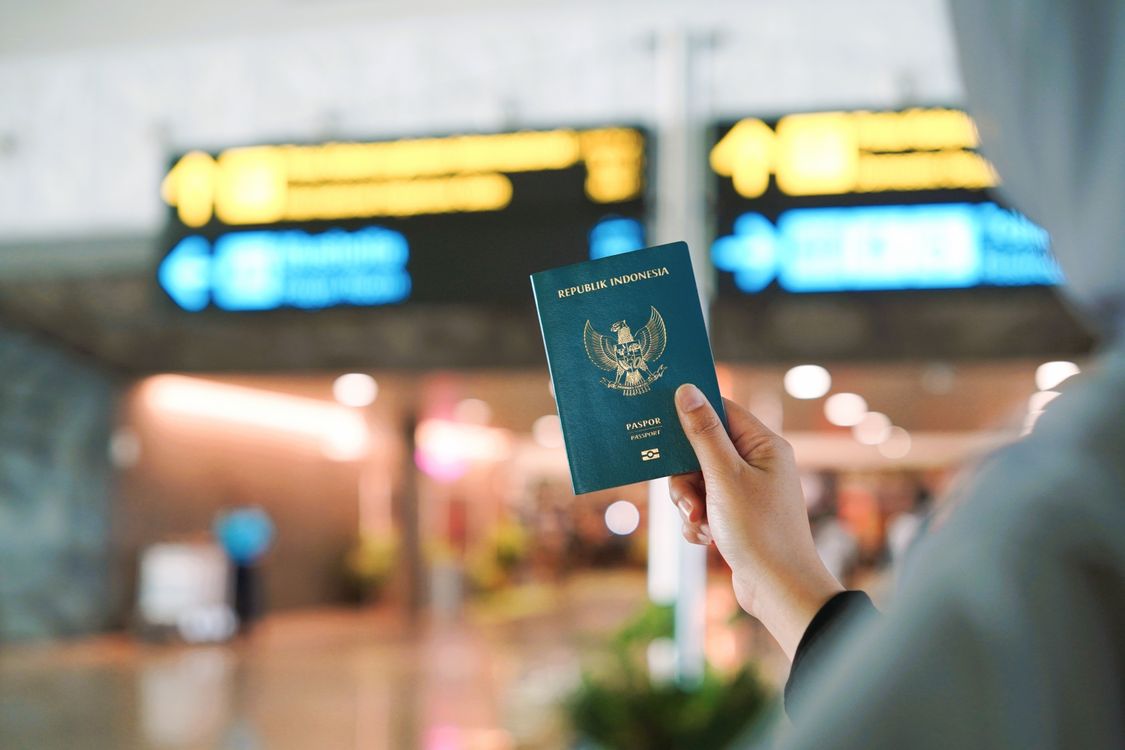
    A passport at an airport departure gate
    Visa-free and visa-on-arrival access removes the biggest barrier to a quick trip abroad.
    Visa-free vs visa on arrival, quickly
    Visa-free means you just land and enter, no form and no fee beyond the usual arrival card. Visa on arrival means you still get a visa, but at the airport counter on landing, usually for a small fee and sometimes a photo, with no embassy visit beforehand. Both let you fly without applying first. Check your exact rule in the GlobeDude Explorer.

    No visa needed: just land and enter

    These are the places an Indian passport enters visa-free in 2026. Some still ask for a free arrival registration or an onward ticket, so read the fine print, but there is no visa to buy.

    Destination Stay Note
    Nepal Open Passport or Voter ID; no fee
    Thailand 30 days Visa-free since 2026 (was 60)
    Malaysia 30 days Visa-free through Dec 2026; fill the MDAC
    Qatar 30 days Free waiver stamped on arrival
    Mauritius Up to 90 days Free entry permit on arrival
    Fiji Up to 120 days Visa-free
    Hong Kong 14 days Free pre-arrival registration online
    Caribbean Varies Jamaica, Barbados, Grenada, Dominica, Trinidad and more

    Visa on arrival: get it at the airport counter

    Here you still receive a visa, but you buy it when you land, with no embassy appointment first. Carry US dollars in cash, a passport photo and your onward ticket.

    Destination Stay Rough fee
    Maldives 30 days Free
    Indonesia (Bali) 30 days About $35
    Cambodia 30 days About $30
    Laos 30 days About $40
    Jordan 30 days About 40 JOD (free with the Jordan Pass)
    Bahrain 14 days About 5 BHD
    Tanzania 90 days About $50
    Seychelles 30 days Free visitor permit (travel authorisation first)

    Fees and stay limits are approximate and change often. Confirm with the destination’s official immigration site before you fly.

    The hidden upgrade: the visa you already hold

    If you hold a valid US, UK, Schengen, Canada, Australia, Japan or GCC visa or residence permit, a whole second tier opens up. Several countries that normally need a visa will give Indians a visa on arrival, or waive it entirely, on the strength of that stamp. This commonly covers the UAE and Oman, and smooths entry to places like Georgia and parts of Southeast Asia. It is the single best reason to keep an old US or Schengen visa valid, and we cover the biggest example in our Georgia and Azerbaijan visa guide.

    Easy e-visas worth knowing (not on-arrival, but close)

    A step up in effort, but still no embassy visit, are the quick online e-visas and ETAs that come through in days: Sri Lanka’s ETA, Kenya and Ethiopia’s e-visas, Azerbaijan’s ASAN visa, Uzbekistan, Kyrgyzstan and Armenia’s e-visas, and the Philippines’ visa-free shortcut for holders of other visas. If you can wait three days, these open up some of the best-value trips going, as in our Uzbekistan and Philippines guides.

    How to use this list

    Decide how much lead time you have. Flying this week with no paperwork? Pick from the visa-free and visa-on-arrival tables above. Have a few days? Add the e-visa countries. Already hold a US or Schengen visa? Check whether it unlocks on-arrival entry somewhere new. Then price the trip and see what your money is worth abroad with Salary Goes Furthest, and compare two destinations in the Compare Countries tool.

    📶 Travel eSIM
    Stay connected the moment you land
    Skip airport SIM queues and roaming fees. Grab a travel eSIM for your destination and get online the second you arrive, no physical SIM swap needed. Works on the Airalo website and app.
    🎁 Save up to 15% with code GLOBEDUDENEW (new users), or use GLOBEDUDE for 10% off if you already have Airalo
    Browse eSIM plans →
    GlobeDude may earn a commission if you buy through this link, at no extra cost to you. Discount codes valid until 31 Mar 2027.

    Cover the trip with SafetyWing, which also meets insurance rules for visas that require it, pay abroad at the real rate with a Wise card, and compare flights across dates.

    Frequently asked questions

    How many countries can Indians visit without a visa in 2026?
    Roughly 55 to 60 destinations without applying in advance, combining visa-free entry and visa on arrival. The Indian passport climbed several places in recent rankings, though the exact count shifts a few times a year as countries add or drop access.

    What is the difference between visa-free and visa on arrival?
    Visa-free means you simply land and enter with no visa at all. Visa on arrival means you still get a visa, but at the airport counter on landing, usually for a small fee, with no embassy visit beforehand. Both let you fly without applying first.

    Does holding a US or Schengen visa help an Indian traveller?
    Yes, a lot. A valid US, UK, Schengen, Canada, Australia, Japan or GCC visa unlocks visa-on-arrival or visa-free entry to several countries that would otherwise need a visa, including the UAE and Oman. It is worth keeping such a visa valid.

    Is this list guaranteed to be current?
    No. Visa rules change several times a year, and fees and stay limits vary by source and season. Always confirm with the destination’s official immigration or embassy site, or check the GlobeDude Explorer, before you book and fly.

    Visa rules, fees and stay limits change often and vary by source, so confirm current details with official government sources before booking. Some links on this page are affiliate links that support GlobeDude at no extra cost to you.

  • Japan for Indians in 2026: Cost, Visa and Best Time to Visit

    Japan is more affordable and more do-able for Indians than its reputation suggests. You need a visa, but it is now a cheap eVisa with an embassy fee of about ₹500, a comfortable mid-range day costs around ₹10,000 excluding flights, and the best time to go is the cherry-blossom weeks of late March to April or the autumn colours of October to November. This guide covers the visa step by step, exactly what a trip costs at three budget levels, when to go month by month, where to go, how to get around, what to eat, and the practical things Indian travellers ask about most.

    Plan and book your Japan trip
    Go from reading to booking in a few clicks, with the tools and partners we use ourselves.

    Japan at a glance for Indian travellers

    Visa for Indians Required; eVisa or sticker visa via VFS Global
    Embassy fee About ₹500 (single or multiple entry)
    Maximum stay Up to 90 days (tourism)
    Currency Japanese yen (JPY)
    Budget day Around ₹6,500 (about $78)
    Mid-range day Around ₹10,000 (about $120)
    Best time to visit Late March to April, and October to November
    Main airports Tokyo (Narita, Haneda) and Osaka (Kansai)
    Typical trip length 7 to 10 days for a first visit

    Figures are approximate 2026 costs and exclude international flights. Visa fees and rules change, so confirm with official sources before applying.

    Do Indians need a visa for Japan?

    Yes. Japan gives Indian passport holders no visa-free entry and no visa on arrival, so you must arrange a short-term tourist visa before you fly. The upside is that it is one of the cheapest visas anywhere: the embassy fee for Indians is about ₹500, and a multiple-entry visa costs the same as a single-entry one.

    There are two routes. The eVisa is available for eligible short-term tourism and is applied for online, with the visa delivered digitally. The traditional sticker visa is arranged through VFS Global. Processing usually takes about five to seven working days, but the embassy advises applying up to three months before travel, especially in the busy spring and autumn seasons.

    Documents you will usually need

    A passport valid for the length of your stay, the completed application form, a recent passport photo, confirmed return flight tickets, hotel bookings for the whole trip, a day-by-day itinerary, and financial documents (bank statements and income proof) showing you can fund the trip. A clean travel history and clear proof of ties to India, such as a job or business, help avoid a refusal. Because eVisa eligibility and the exact fee have changed more than once recently, confirm the current rule on the Embassy of Japan in India or VFS Global website before applying.

    What a Japan trip really costs for Indians

    Japan is mid-to-high cost by Asian standards, but far more manageable than most Indians expect, mainly because public transport, convenience-store meals and free sights keep daily spending in check. Here is a realistic per-person daily breakdown at three levels, excluding international flights.

    Per day Budget Mid-range Comfort
    Stay ₹2,500 ₹5,500 ₹12,000
    Food ₹1,500 ₹2,500 ₹4,500
    Local transport ₹1,000 ₹1,200 ₹1,500
    Sights and activities ₹1,500 ₹2,000 ₹3,500
    Per day ~₹6,500 ~₹11,200 ~₹21,500

    On top of the daily cost, budget for one big-ticket item: intercity rail. A 7-day Japan Rail Pass is a large upfront cost but can pay for itself if you do, say, Tokyo to Kyoto to Hiroshima and back; for a single Tokyo and Kyoto loop, individual Shinkansen tickets are often cheaper. Round-trip flights from India run roughly ₹45,000 to ₹75,000 depending on season and how early you book. See exactly how far your rupee stretches in Japan with the Salary Goes Furthest tool, and weigh Japan against another country in Compare Countries.

    How to keep a Japan trip cheap

    Eat at convenience stores, standing ramen bars and conveyor-belt sushi, which are cheap and genuinely good; stay in business hotels, capsules or hostels; buy a rechargeable Suica or ICOCA card for city transport; use free sights such as temples, parks, shrines and the observation decks of government buildings; and travel in the shoulder weeks just before or after peak season. A Wise card spends yen at the real exchange rate instead of losing money to conversion.

    The best time to visit Japan, month by month

    Spring (March to May) is the classic season. The cherry blossoms, or sakura, peak from late March to early April and sweep north across the country; it is magical but also the busiest and priciest window, so book flights and hotels months ahead. Autumn (October to November) is the quieter equal: crisp, clear days and brilliant red and gold foliage, or koyo, especially in Kyoto and the mountains. Summer (June to August) is hot and humid, opens with the June rainy season and carries a typhoon risk from August, though it has the best festivals and mountain hiking. Winter (December to February) is cold but rewarding, with world-class powder snow in Hokkaido and the Japan Alps, steaming hot springs, and the lowest flights and hotels outside the New Year holiday. Check live seasonal detail for your dates in the GlobeDude Explorer.

    Where to go on a first trip

    Tokyo is the obvious start: the neon of Shibuya and Shinjuku, old temples at Asakusa, the electronics and anime of Akihabara, and day trips to Mount Fuji and the hot-spring town of Hakone. Kyoto is the cultural heart, with thousands of temples and shrines, the bamboo grove at Arashiyama and the red torii gates of Fushimi Inari, plus nearby Nara and its free-roaming deer. Osaka is the food capital, loud and fun, and a base for the Dotonbori canal and day trips. With more time, add Hiroshima and the floating shrine of Miyajima, the Japanese Alps at Takayama, or snow and seafood in Hokkaido. A classic first trip links Tokyo, Hakone, Kyoto, Nara and Osaka over 7 to 10 days; map your own version in the AI Itinerary Builder.

    Getting around

    Japan has arguably the best public transport on earth. Between cities, the Shinkansen bullet trains are fast, punctual and comfortable; decide early whether a Japan Rail Pass suits your route or whether point-to-point tickets are cheaper. Within cities, subways and trains are dense and easy with a Suica or ICOCA IC card tapped at the gates. Domestic budget airlines like Peach and Jetstar cover longer hops such as Tokyo to Hokkaido or Okinawa cheaply. You rarely need taxis, which are excellent but expensive.

    Food, and tips for Indian travellers

    Japanese food goes far beyond sushi: ramen, udon, tempura, okonomiyaki, yakitori and izakaya small plates are all worth seeking out, and convenience-store food is a genuine budget hero. Vegetarians and Jains should plan ahead, as dashi fish stock hides in many dishes; look for Indian restaurants in the big cities, shojin ryori temple cuisine, and apps that flag vegetarian spots. Carry cash, as Japan is still card-light in smaller places, and withdraw from 7-Eleven ATMs which accept foreign cards. Japan is famously safe, clean and orderly; learn a few bows and the habit of quiet on trains. A travel eSIM gets you maps and translation the moment you land, which matters more here than almost anywhere given the language barrier.

    📶 Travel eSIM
    Stay connected the moment you land
    Skip airport SIM queues and roaming fees. Grab a travel eSIM for your destination and get online the second you arrive, no physical SIM swap needed. Works on the Airalo website and app.
    🎁 Save up to 15% with code GLOBEDUDENEW (new users), or use GLOBEDUDE for 10% off if you already have Airalo
    Browse eSIM plans →
    GlobeDude may earn a commission if you buy through this link, at no extra cost to you. Discount codes valid until 31 Mar 2027.

    Compare flights to Tokyo or Osaka across dates on Aviasales, pay at the real rate with a Wise card, and cover the trip with SafetyWing.

    Frequently asked questions

    Do Indians need a visa to visit Japan?
    Yes. Indians do not get visa-free entry or visa on arrival and must obtain a tourist visa before travel, either through the eVisa system for eligible short-term tourism or via VFS Global. The embassy fee is low, about ₹500, and multiple-entry costs the same as single-entry.

    How much does a Japan trip cost from India?
    Around ₹11,000 per person a day for comfortable mid-range travel, or about ₹6,500 a day on a budget, both excluding international flights of roughly ₹45,000 to ₹75,000 return. Intercity rail is the biggest variable, so weigh up a Japan Rail Pass for your route.

    What is the best time to visit Japan?
    Late March to April for cherry blossoms and October to November for autumn colours are the two best windows, both peak and worth booking early. Winter is cheapest and great for snow and hot springs; summer is hot, humid and wetter but has the best festivals.

    How many days do you need in Japan?
    Seven to ten days is ideal for a first trip, enough for Tokyo, Kyoto, Nara and Osaka with a day trip to Hakone or Mount Fuji. Five days works if you focus on just Tokyo and Kyoto.

    Is Japan expensive for Indians?
    It is pricier than Southeast Asia but more affordable than most expect. Cheap, excellent convenience-store and ramen meals, efficient public transport and many free temples and parks keep daily costs reasonable; accommodation and intercity rail are where the money goes.

    Is Japan good for a first long-haul trip from India?
    Excellent. It is safe, spotlessly organised, easy to navigate on world-class trains, and packs cities, temples, mountains and food into a compact, low-stress trip, with a cheap visa to match.

    Costs and visa rules change and vary by source and season, so confirm current details with official sources before booking or applying. Some links on this page are affiliate links that support GlobeDude at no extra cost to you.

GlobeDude