Tag: summer travel

  • 7 Day Switzerland Itinerary for 2026 (Lucerne, Interlaken, Zermatt and Costs)

    7 Day Switzerland Itinerary for 2026 (Lucerne, Interlaken, Zermatt and Costs)

    Switzerland is small, vertical and superbly organised, so a 7 day Switzerland itinerary can cover lakes, glaciers and the Matterhorn entirely by train. This route runs Lucerne to the Jungfrau region to Zermatt, and answers the question everyone asks first, which is whether the Swiss Travel Pass actually pays for itself.

    See every price in your money. Pick your home country below and all the costs on this page update instantly.

    Quick facts before you book

    Best time to go: late June to September for hiking, open mountain railways and lake swimming. December to March for skiing. Late April to May is the awkward gap, when lower trails are muddy and some high lifts are closed for maintenance.

    Daily budget: around 235 US dollars a day for a comfortable mid range trip, or roughly 140 US dollars a day using hostels, supermarkets and picnics.

    Visa: Switzerland is in the Schengen Area but not the European Union. Many nationalities enter visa free for short stays. Check yours in the GlobeDude Explorer.

    The route at a glance

    Lucerne for two nights, the Jungfrau region based in Interlaken or Lauterbrunnen for three, then Zermatt for two. All by train, all scenic.

    Day by day

    Day 1: Arrive in Lucerne

    An easy first stop, with a covered wooden bridge from the fourteenth century, a lake ringed by mountains and a compact old town you can see in an afternoon. Walk the Musegg wall towers, which are free and give you the rooftops.

    Day 2: Mount Pilatus or Rigi

    Take the classic golden round trip up Pilatus, combining boat, the world’s steepest cogwheel railway, cable cars and a bus. Rigi is the gentler, cheaper alternative with equally good views and fewer people. Either way you are above the cloud line by mid morning.

    Day 3: Into the Jungfrau region

    Train to Interlaken, then up into the valley. Lauterbrunnen sits in a trench with seventy two waterfalls dropping off the cliffs, and Staubbach falls almost onto the village. Stay up in Wengen or Murren, car free villages on the ledges above, rather than down in Interlaken.

    Day 4: Jungfraujoch or a hike

    Jungfraujoch, the highest railway station in Europe, takes you to a glacier saddle at over three thousand metres. It is expensive and worth it only on a clear day, so keep it flexible. The alternative is the Schynige Platte to First hike, one of the great day walks in the Alps.

    Day 5: Grindelwald and lakes

    Grindelwald First for the cliff walk and the view onto the Eiger north face, or drop down for a day on Lake Thun and Lake Brienz, whose water is an improbable turquoise. Boat between the lakeside villages if the weather turns.

    Day 6: Train to Zermatt

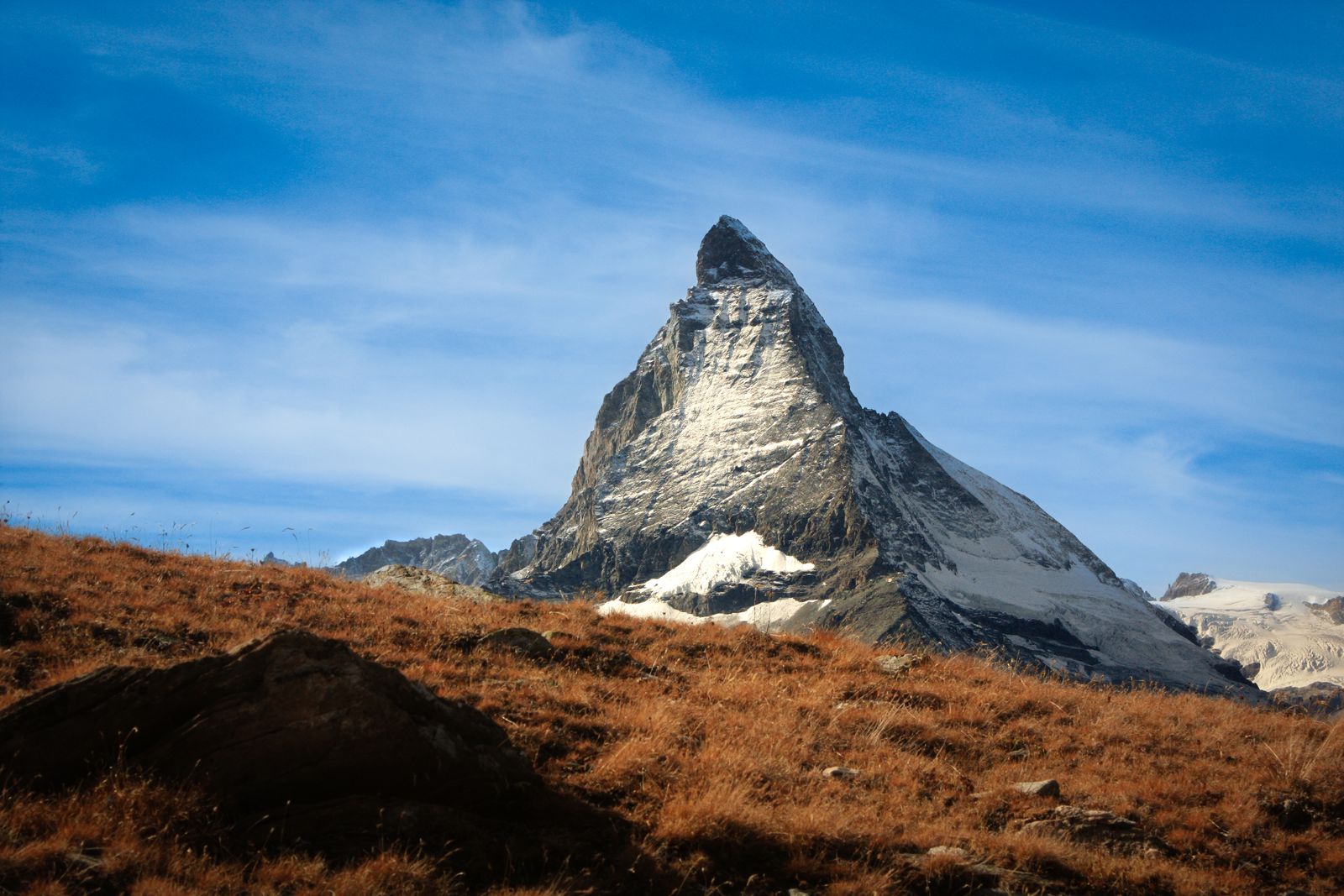
    A long but beautiful rail day through the Rhone valley. Zermatt is car free and the Matterhorn stands at the end of the main street looking almost artificial. Take the Gornergrat cogwheel railway up for the classic view over the glacier.

    Day 7: Last mountain morning

    Sunrise on the Matterhorn from the bridge at the end of town, then either the Matterhorn Glacier Paradise cable car or a short valley walk before your train out to Zurich or Geneva.
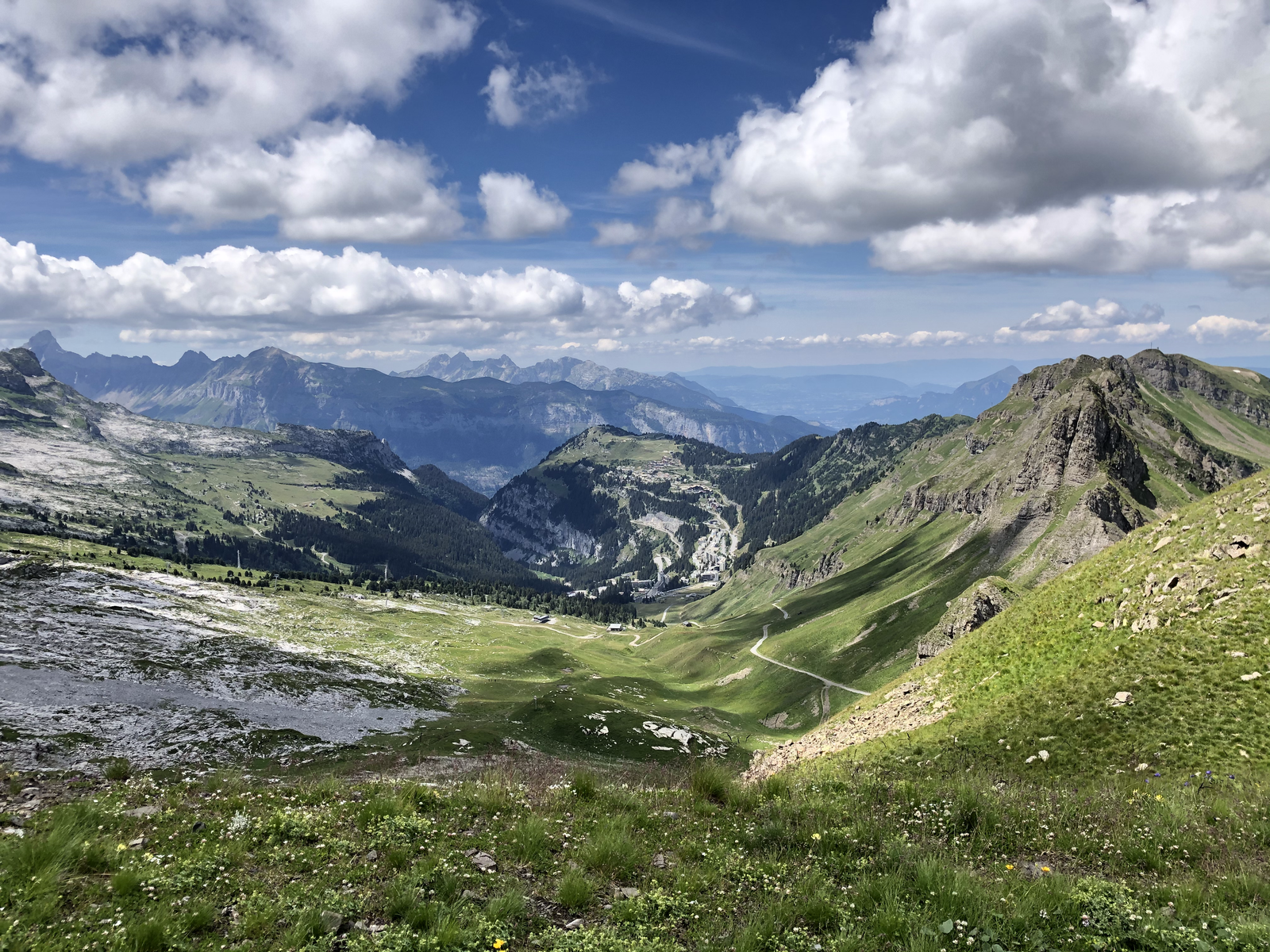
    Swiss Alps scenery on a seven day Switzerland itinerary
    Set your home country above and every figure below converts to your currency.

    What this week actually costs

    Per person for a mid range trip. Pick your home country above and the flight row updates with live return fares from your nearest hub:

    Expense Per person
    Accommodation, six nights 790 US dollars
    Food 430 US dollars
    Trains and mountain railways 490 US dollars
    Extras 140 US dollars
    Est. flights from your country Pick your country above
    Total for the week, with flights 1,850 US dollars

    Check it against your income in the Salary Goes Furthest tool.

    Is the Swiss Travel Pass worth it?

    For this route, usually yes. It covers all trains, buses and boats, gives free entry to most museums, and discounts the expensive mountain railways rather than covering them fully. The pass wins when you are moving between regions most days, as here. It loses if you plan to base yourself in one valley and hike, since local lift passes are then better value. Add up your specific legs before buying, because the answer genuinely changes with the itinerary.

    Where to stay

    Lucerne old town, then Wengen, Murren or Lauterbrunnen for the mountains, then Zermatt village. Find hotels in Switzerland.

    Book ahead

    Jungfraujoch tickets, Glacier Express seats and summer mountain huts all need reserving. Browse mountain excursions in Switzerland on GetYourGuide.

    Stay connected

    Live weather and webcams decide your mountain days here, so being online genuinely changes your trip.

    📶 Travel eSIM
    Stay connected the moment you land
    Skip airport SIM queues and roaming fees. Grab a travel eSIM for your destination and get online the second you arrive, no physical SIM swap needed. Works on the Airalo website and app.
    🎁 Save up to 15% with code GLOBEDUDENEW (new users), or use GLOBEDUDE for 10% off if you already have Airalo
    Browse eSIM plans →
    GlobeDude may earn a commission if you buy through this link, at no extra cost to you. Discount codes valid until 31 Mar 2027.

    Pay at the real rate: Switzerland uses francs, not euros, and a Wise account avoids paying the tourist rate twice over.

    Cover the trip: SafetyWing is a low cost monthly plan, sensible if you are hiking at altitude.

    Find the fare: Compare flights to Switzerland, into Zurich and out of Geneva or the reverse.

    Frequently asked questions

    Is 7 days enough for Switzerland?
    Seven days covers three regions comfortably, such as Lucerne, the Jungfrau and Zermatt. Trying to add Geneva, Ticino and St Moritz in the same week turns it into a rail marathon with little time on the mountains.

    How much does a week in Switzerland cost?
    Around 1,850 US dollars per person for a mid range week excluding international flights. Mountain railways are the biggest single expense, and self catering plus a well chosen rail pass can bring it under 1,200.

    Is the Swiss Travel Pass worth buying?
    For a multi region route like this one it usually pays for itself, since it covers all trains, boats and buses and discounts mountain railways. If you are staying in one valley the whole time, individual tickets and a local lift pass generally work out cheaper.

    What is the best month to visit Switzerland?
    July to September for hiking and fully open mountain railways, and December to March for skiing. Late April and May see many high lifts closed for maintenance between seasons.

    Is Jungfraujoch worth the money?
    Only on a clear day. It is one of the most expensive excursions in Europe, and in cloud you pay a great deal to stand in fog. Keep the day flexible and check the summit webcam before committing.

    Interlaken or Lauterbrunnen, where should I stay?
    Lauterbrunnen and the car free villages above it, Wengen and Murren, put you in the scenery rather than beside it. Interlaken has more hotels, restaurants and transport links but sits between the lakes rather than in the mountains.

    This itinerary is AI assisted and reviewed before publishing. Costs, opening hours and transport schedules change, so confirm current details before you book. Some links above are affiliate links that support GlobeDude at no extra cost to you.
  • 7 Day Norway Itinerary for 2026 (Oslo, Bergen, Fjords and Real Costs)

    7 Day Norway Itinerary for 2026 (Oslo, Bergen, Fjords and Real Costs)

    Norway is the most expensive country in this series and the one most worth the money. A 7 day Norway itinerary built around the Oslo to Bergen railway and a fjord cruise gives you the best of the country without a car, and this guide is honest about what it costs.

    See every price in your money. Pick your home country below and all the costs on this page update instantly.

    Quick facts before you book

    Best time to go: June to August for long days, open mountain roads and the midnight sun in the far north. September brings autumn colour and lower prices. For northern lights you want a different trip entirely, to Tromso between October and March.

    Daily budget: around 215 US dollars a day for a comfortable mid range trip, or roughly 130 US dollars a day using hostels, supermarkets and self catering.

    Visa: Norway is in the Schengen Area despite not being in the European Union. Check your passport rule in the GlobeDude Explorer.

    The route at a glance

    Oslo for two nights, then the Bergen railway across the mountains with the Flam detour and a fjord cruise, then Bergen for three nights with a day trip. One direction, west to the coast.

    Day by day

    Day 1: Arrive in Oslo

    Compact, walkable and greener than you expect. Walk the harbour at Aker Brygge, see the Opera House where you can walk up the roof, and stroll Karl Johans gate. If the weather is good, the islands in the fjord are a short public ferry ride and cost the same as a bus ticket.

    Day 2: Oslo museums

    The Viking Ship Museum, the Fram polar exploration museum and the Munch museum are the three that justify their entry fees. Vigeland sculpture park is free and strange in the best way, with hundreds of stone and bronze figures. Eat before the city centre prices catch you off guard.

    Day 3: The Bergen railway and Flam

    One of the world’s great train journeys, climbing from the city onto a high plateau of snow and lakes even in summer. Change at Myrdal for the Flam railway, which drops steeply past waterfalls into the fjord. Overnight in Flam or Aurland.

    Day 4: Fjord cruise to Bergen

    Cruise the Naeroyfjord, the narrowest and most dramatic arm of the Sognefjord, with cliffs rising straight out of the water and farms clinging impossibly to ledges. Continue by boat and bus or rejoin the train to Bergen for the evening.

    Day 5: Bergen

    The Bryggen wharf, with its crooked wooden merchant houses, is the postcard and deserves the slow walk through its back passages. Take the funicular up Floyen for the view over the harbour, and visit the fish market for a very expensive but very good bowl of soup.

    Day 6: Fjord day trip or hike

    Either take a day cruise on the Hardangerfjord, or if you are fit and the season allows, tackle one of the famous hikes. Trolltunga is a long full day and not to be underestimated. Ulriken gives you a fraction of the effort with much of the reward.

    Day 7: Last morning and fly out

    Coffee in the old town, then Bergen airport, which is small and easy. Flying out of Bergen rather than back to Oslo saves you a full day on the train.

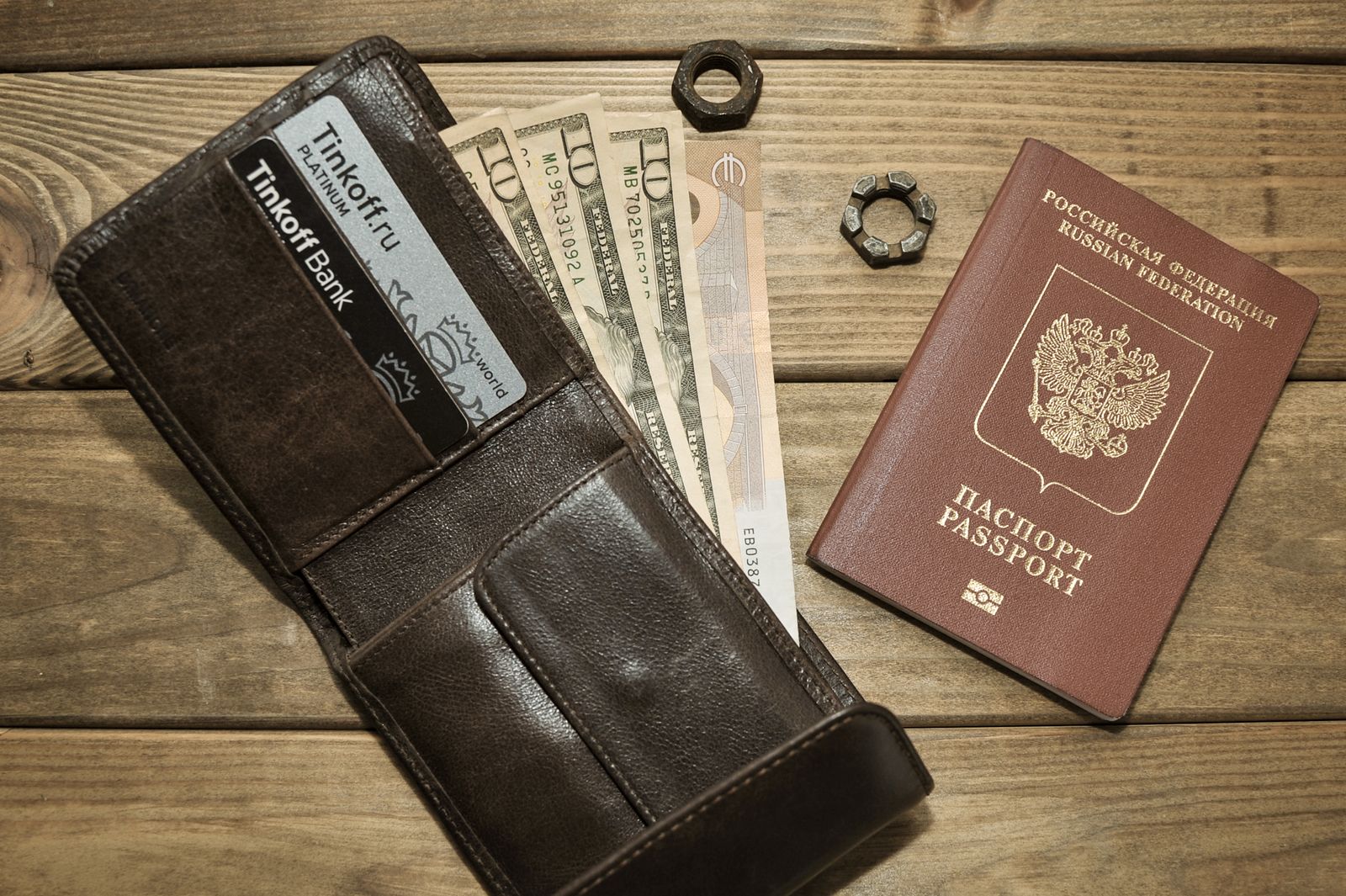
    Travel money and cards for budgeting a trip to Norway
    Set your home country above and every figure below converts to your currency.

    What this week actually costs

    Per person for a mid range trip. Pick your home country above and the flight row updates with live return fares from your nearest hub:

    Expense Per person
    Accommodation, six nights 720 US dollars
    Food 430 US dollars
    Trains, boats and transport 390 US dollars
    Entries and activities 130 US dollars
    Est. flights from your country Pick your country above
    Total for the week, with flights 1,670 US dollars

    Check what that means for your income in the Salary Goes Furthest tool.

    How to bring the cost down

    Alcohol is heavily taxed, so drinking out is where budgets quietly collapse. Supermarket lunches, tap water which is excellent everywhere, and accommodation with a kitchen make the biggest difference. Book train tickets the moment they are released for the cheapest fares, which can be a fraction of the walk up price.

    Where to stay

    Oslo city centre for walkability, Flam or Aurland for the fjord night, and central Bergen near Bryggen. Find hotels in Norway.

    Book ahead

    The Flam railway, fjord cruises and summer hikes all sell out, and the popular sailings go first. Browse fjord cruises and tours in Norway on GetYourGuide.

    Stay connected

    Norway is almost entirely cashless, and tickets, ferries and parking all run through apps.

    📶 Travel eSIM
    Stay connected the moment you land
    Skip airport SIM queues and roaming fees. Grab a travel eSIM for your destination and get online the second you arrive, no physical SIM swap needed. Works on the Airalo website and app.
    🎁 Save up to 15% with code GLOBEDUDENEW (new users), or use GLOBEDUDE for 10% off if you already have Airalo
    Browse eSIM plans →
    GlobeDude may earn a commission if you buy through this link, at no extra cost to you. Discount codes valid until 31 Mar 2027.

    Pay at the real rate: you will use a card for everything here, so the exchange markup adds up fast. A Wise account pays in kroner at the true rate.

    Cover the trip: SafetyWing is a low cost monthly plan, worth having if you are hiking.

    Find the fare: Compare flights to Norway, flying into Oslo and out of Bergen.

    Frequently asked questions

    Is 7 days enough for Norway?
    Seven days covers Oslo, the Bergen railway, one fjord and Bergen itself at a good pace. It is not enough to add the Lofoten Islands or the far north, which need their own trip and separate flights.

    How much does a week in Norway cost?
    Around 1,670 US dollars per person for a mid range week excluding international flights. Self catering, supermarket lunches and early booked train tickets can bring it closer to 1,000.

    What is the best month to visit Norway?
    June to August for long daylight, open roads and all boat services running. September is quieter with autumn colour. Winter is for northern lights in the far north rather than fjord touring.

    Can I see the northern lights on this itinerary?
    No. This route runs through southern Norway, and the aurora needs the far north between roughly October and March. Tromso or the Lofoten Islands in winter is a completely different trip.

    Is Norway in a Nutshell worth it?
    The route of train, fjord cruise and bus is genuinely spectacular and covers the highlights efficiently. You can book the exact same trains and boats individually, which usually costs less than the packaged version.

    Why is Norway so expensive?
    High wages, high taxes and a strong economy push up the price of labour, which shows up in restaurants, hotels and alcohol most of all. Groceries, public transport and nature itself are far more reasonable, which is why self catering changes the maths so much.

    This itinerary is AI assisted and reviewed before publishing. Costs, opening hours and transport schedules change, so confirm current details before you book. Some links above are affiliate links that support GlobeDude at no extra cost to you.

  • Best Countries to Escape the Summer Heat in 2026 (Cool Places You Can Travel To Right Now)

    Best Countries to Escape the Summer Heat in 2026 (Cool Places You Can Travel To Right Now)

    When the heat becomes unbearable at home, the smartest travel move is not to fight it, it is to fly to where the weather is already pleasant. If you are sweating through a heatwave in India, the Gulf, southern Europe or the southern United States right now, this guide rounds up the best countries to escape the summer heat in 2026, split into two simple groups: cool northern summers, and the southern hemisphere where it is currently winter.

    Every destination below is chosen because it is genuinely mild or cool during the current season, not just famous. For a live, personalised version of this list, open our Escape Season tool, switch it to “Escape summer”, and it will rank cool destinations from your own country by how far your money goes. You can also compare any two places side by side in the GlobeDude Explorer.

    What is good to visit right now

    The map below updates automatically every month, so it always reflects the current season. Green means great weather for travel right now.

    Cool northern summers (mild, not freezing)

    Up north, summer is the sweet spot. Days are long, the landscape is green, and the temperature usually sits in a comfortable 15 to 22 degrees Celsius range instead of the 40-plus that tropical and desert regions endure.

    Iceland

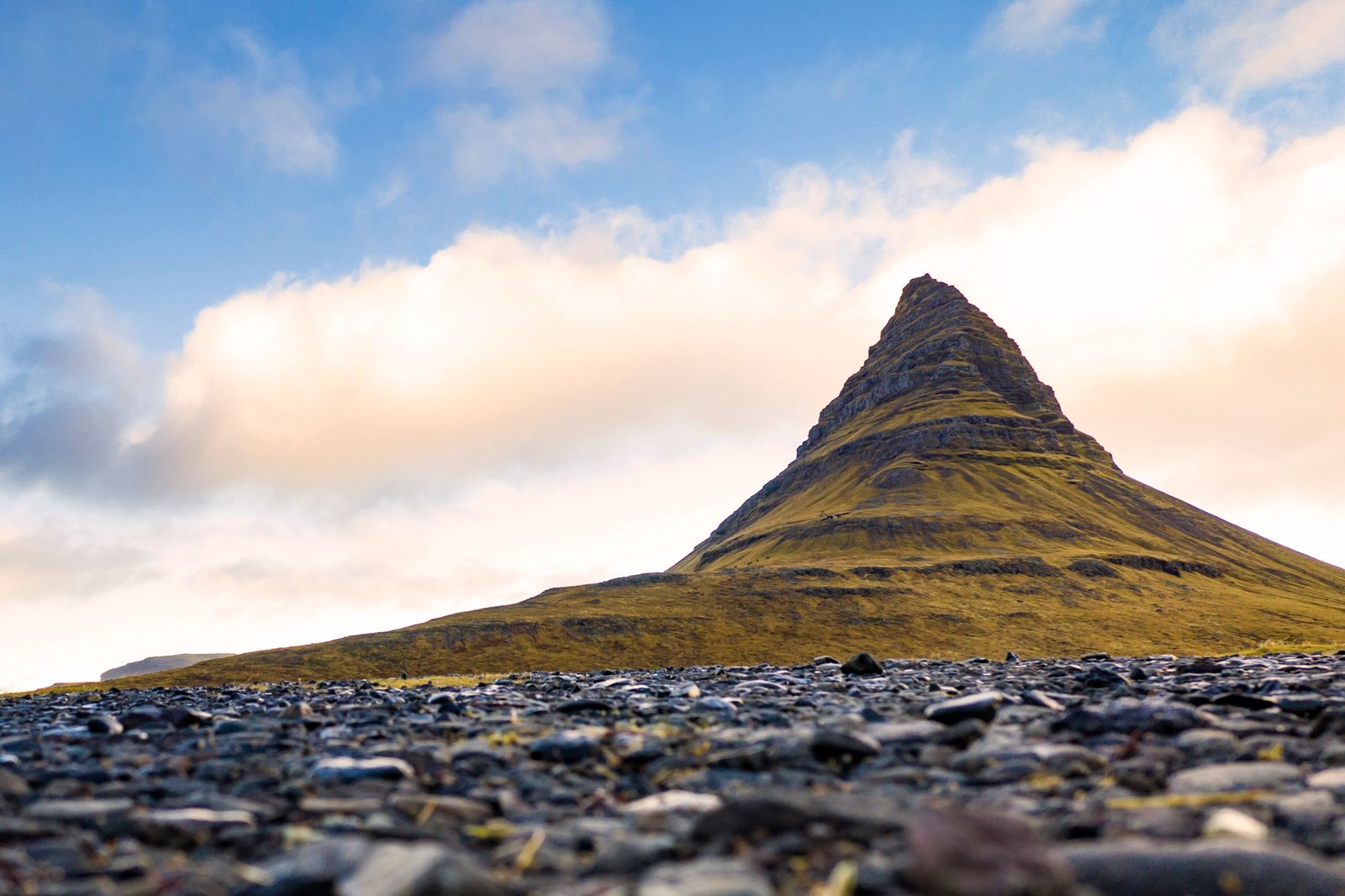
    Iceland landscape, a cool summer escape

    Iceland is arguably the ultimate summer-heat escape. In July and August, Reykjavik hovers around 11 to 14 degrees Celsius, the famous Ring Road is fully open, and you get near 24 hours of daylight for waterfalls, geysers and glacier hikes. It is not a budget destination, so plan food and car rental carefully, but the scenery is unmatched. Best for road trips, photography and cool-weather hiking.

    Norway

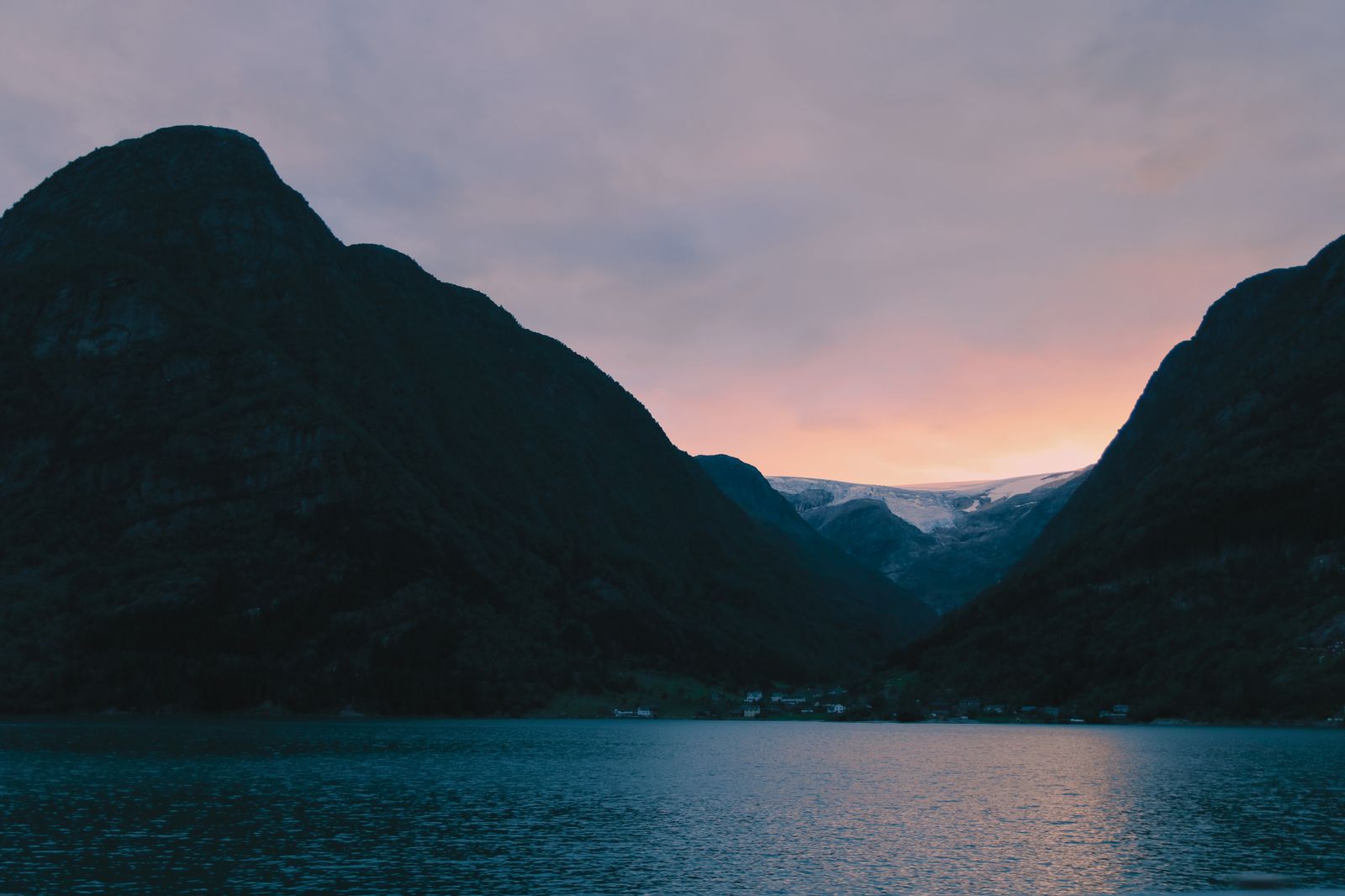
    Norway fjord scenery in summer

    Norway pairs cool fjord air with spectacular scenery. Summer highs in Oslo and Bergen sit around 16 to 20 degrees Celsius, ideal for fjord cruises, the Flam railway and long hikes without the heat. Prices are high, but nature is free and endless. Best for fjords, scenic trains and slow, cool-weather sightseeing.

    United Kingdom

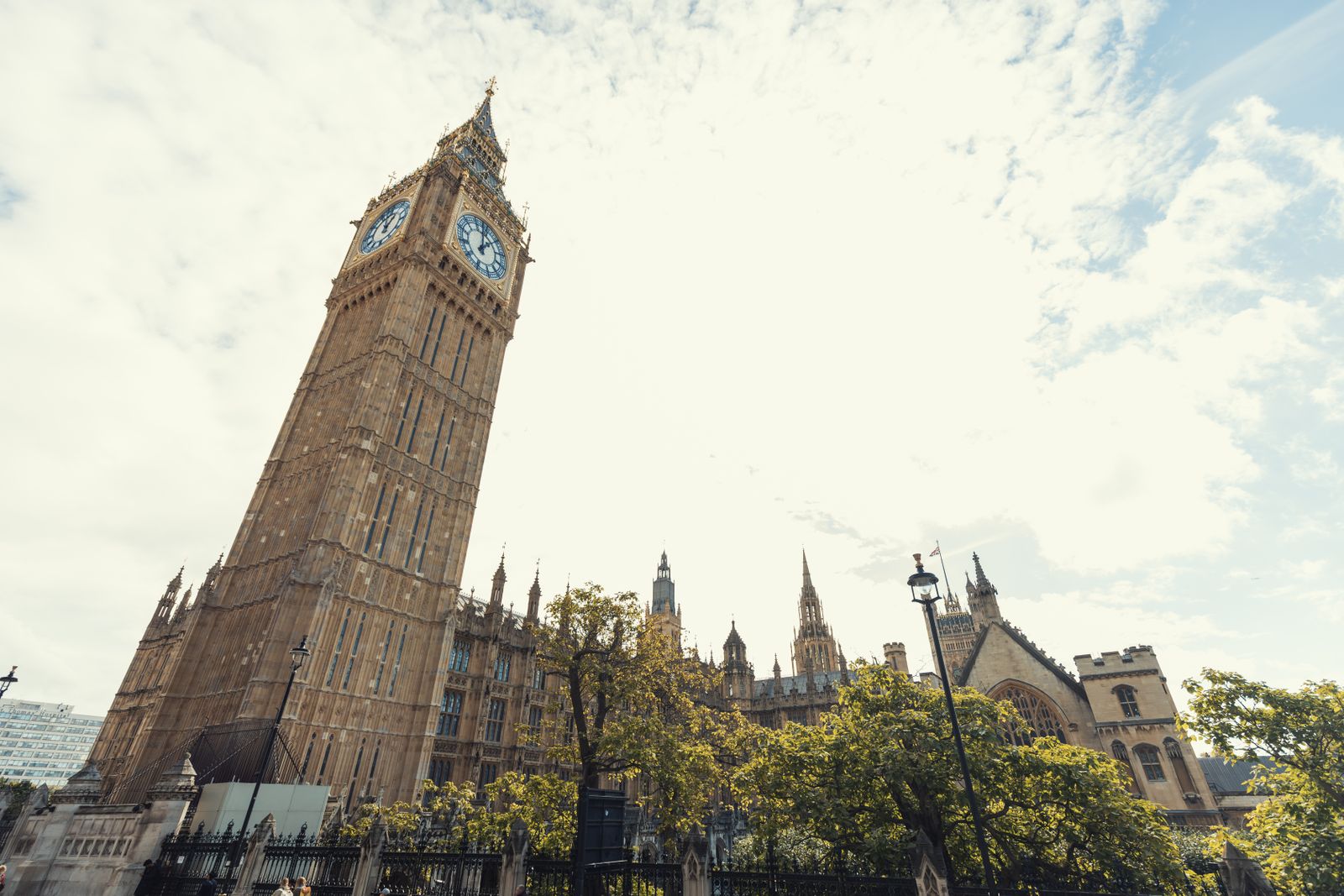
    Big Ben and Westminster Palace in London

    The UK rarely gets truly hot, which is exactly the point. London, Edinburgh and the Lake District usually sit in the pleasant high teens to low twenties in summer, perfect for city walking, castles and green countryside. It is well connected and easy for first-time long-haul travellers. Find hotels in London on Agoda. Best for culture, history and easy city breaks.

    Switzerland

    Swiss Alps mountains

    The Swiss Alps are a natural air conditioner. Valley cities like Zurich are mild in summer, and the moment you take a mountain train up to Interlaken, Zermatt or the Jungfrau region, the air turns crisp and cool. It is expensive, but the rail passes and mountain views justify it for many. Find hotels in Zurich on Agoda. Best for mountains, lakes and scenic rail.

    Canada

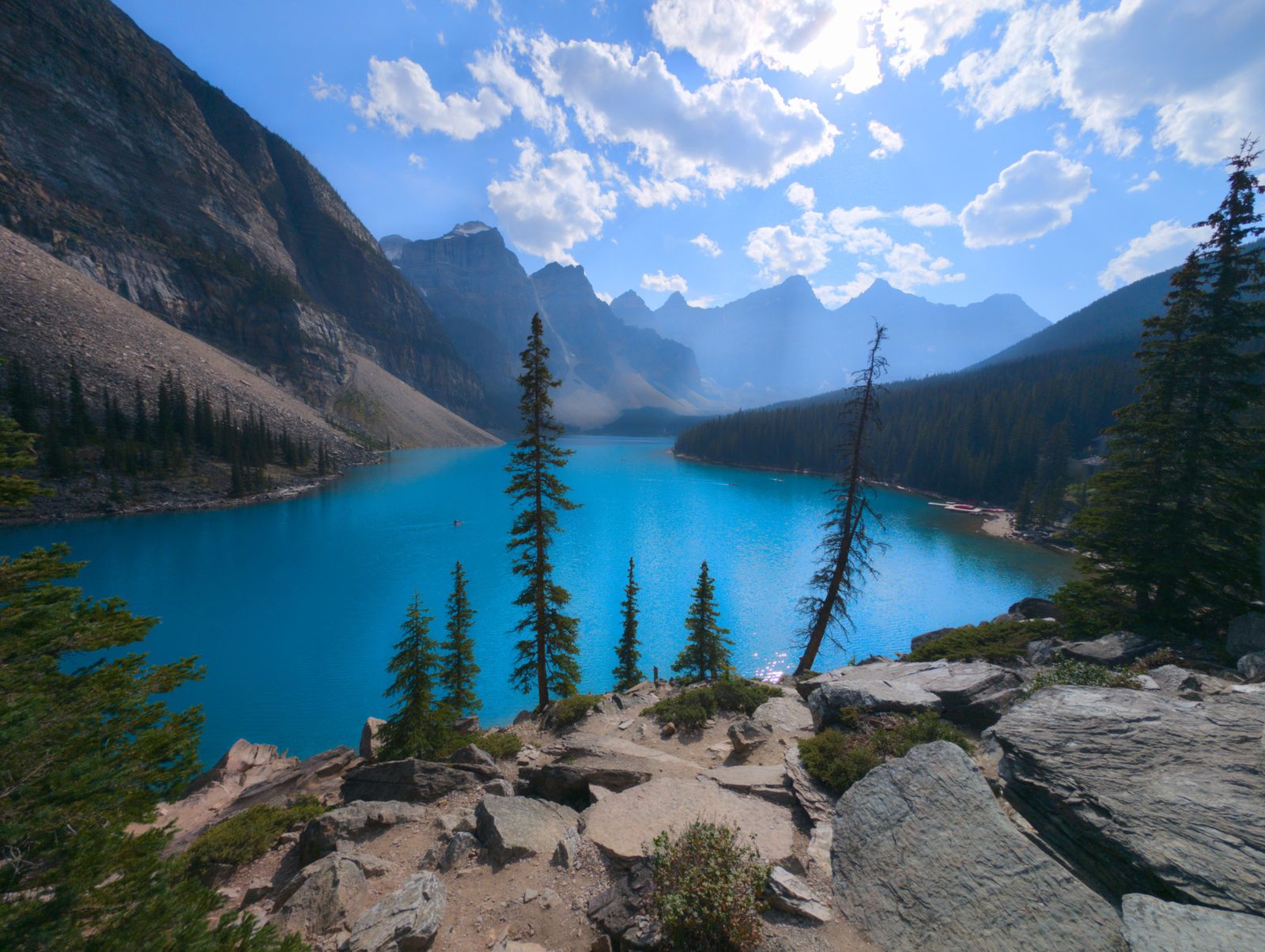
    Canada mountains and lake in summer

    Canada offers cool, comfortable summers in cities like Vancouver, Banff and the Rockies, generally in the high teens to low twenties. It is a strong pick for nature lovers who want lakes, mountains and clean mountain air without the crowds of Europe. Best for national parks, road trips and outdoor adventure.

    Netherlands

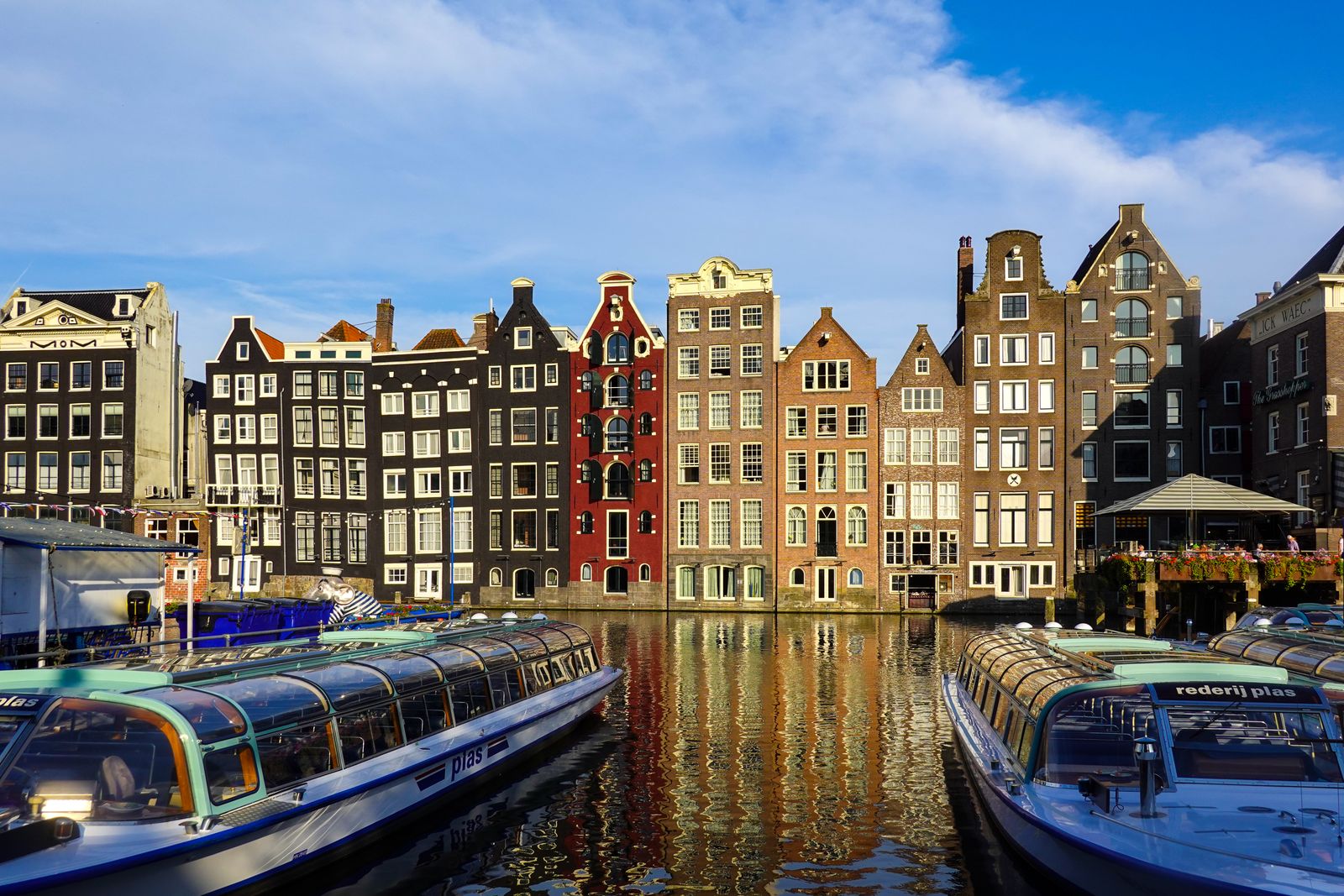
    Amsterdam canal in the Netherlands

    The Netherlands stays mild and breezy in summer, with Amsterdam usually in the high teens to low twenties. Flat, bike-friendly and packed with canals, museums and day trips, it is one of the easiest and most walkable escapes in Europe. Find hotels in Amsterdam on Agoda. Best for cycling, canals and relaxed city culture.

    Head south, where it is winter

    The clever trick for a July or August heat escape is to fly to the southern hemisphere, where the seasons are flipped. Their winter is mild, dry and pleasant in many places, and it is low season, so crowds and prices are often lower.

    New Zealand

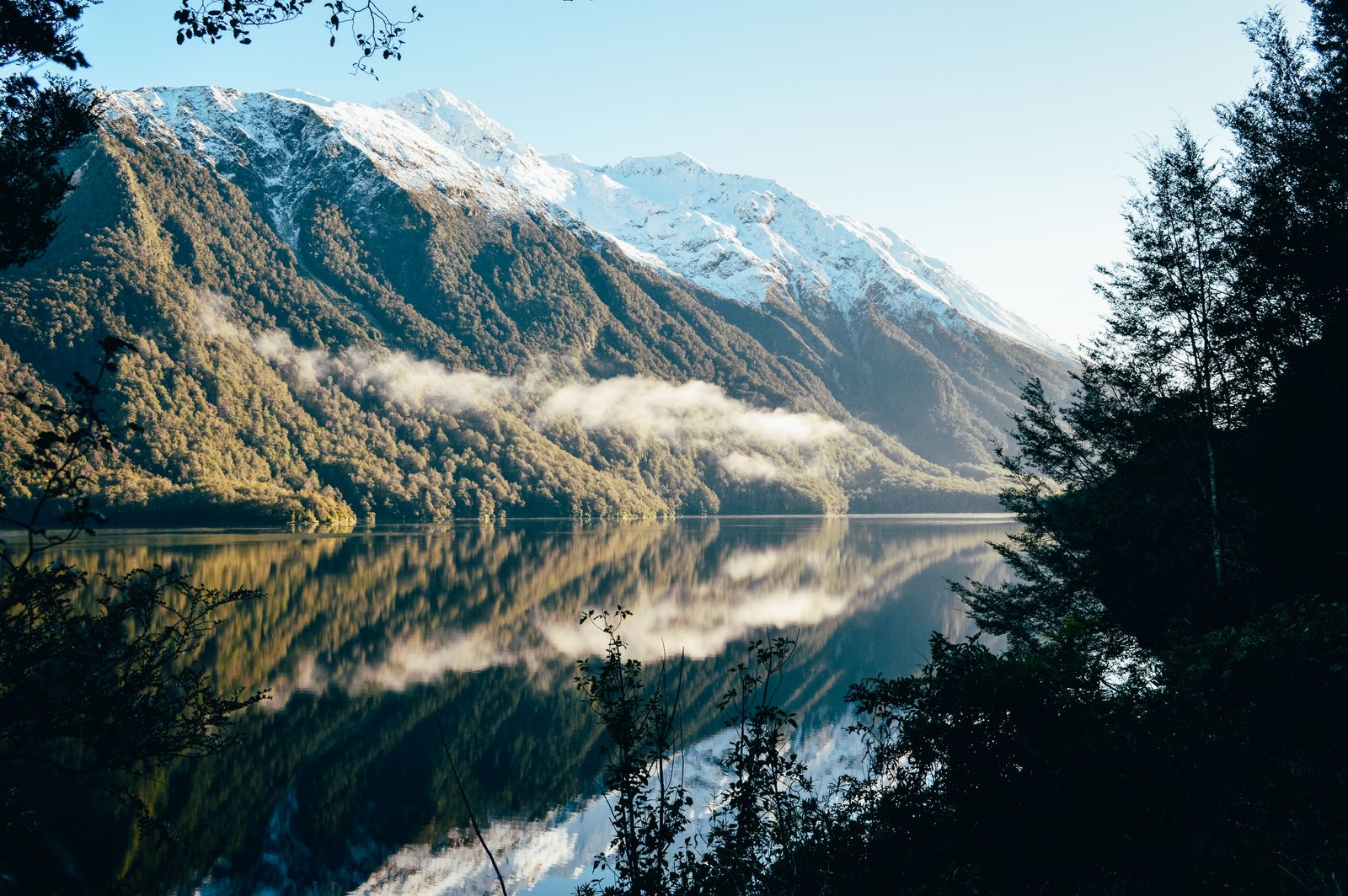
    New Zealand mountains and lake

    New Zealand in the middle of the northern summer is deep in its winter. The South Island turns into a cool-weather playground with skiing near Queenstown, dramatic fjords and crisp, clear days. The North Island stays milder. Best for ski trips, adventure sports and epic landscapes.

    South Africa

    Cape Town, South Africa

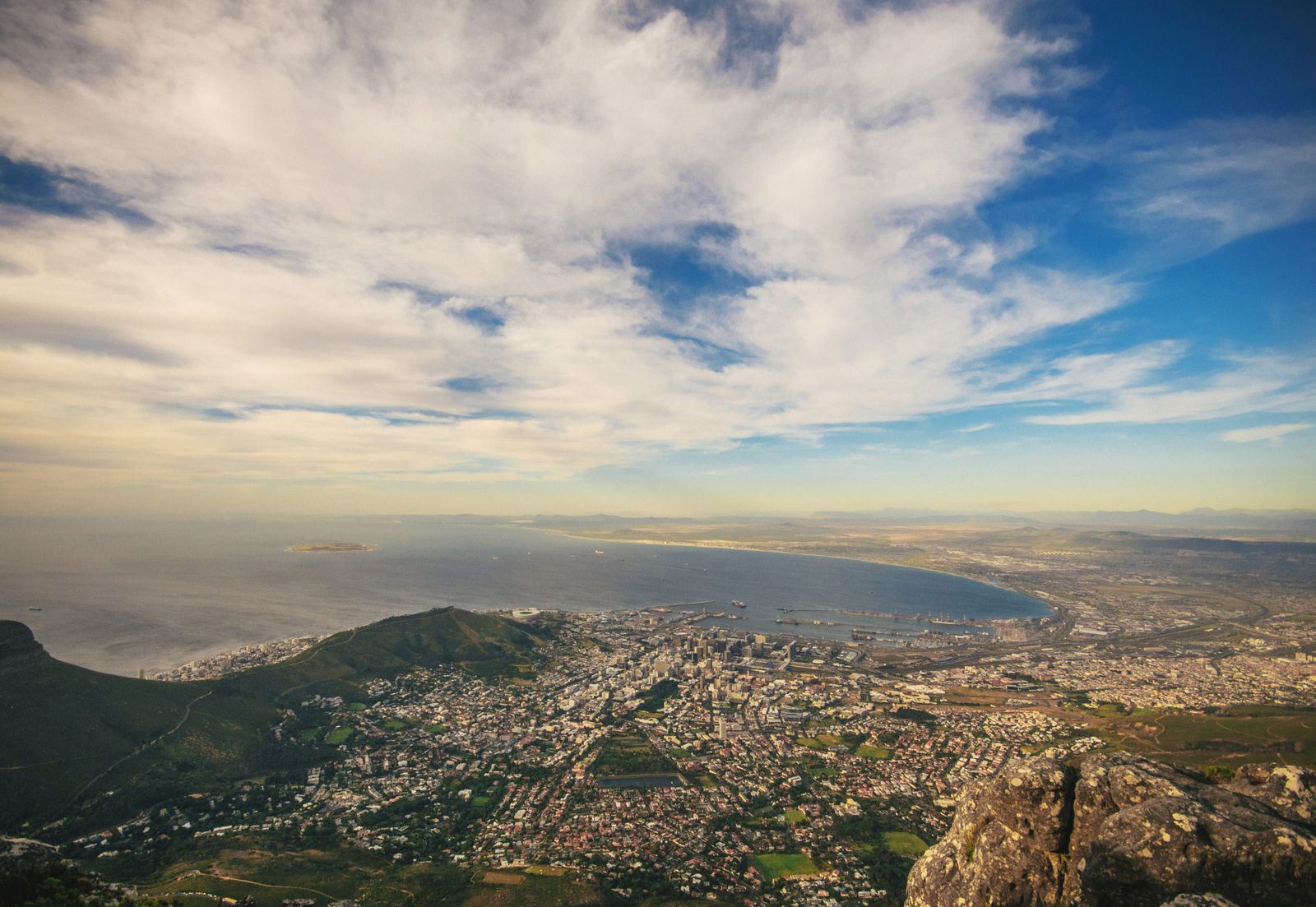
    South Africa has one of the most comfortable winters anywhere. Cape Town sits around 16 to 18 degrees Celsius, and this is prime safari season in the north because dry weather pushes wildlife toward the water holes. The exchange rate is also very friendly for most visitors. Best for safaris, wine country and value-for-money city breaks.

    Australia

    Sydney, Australia harbour

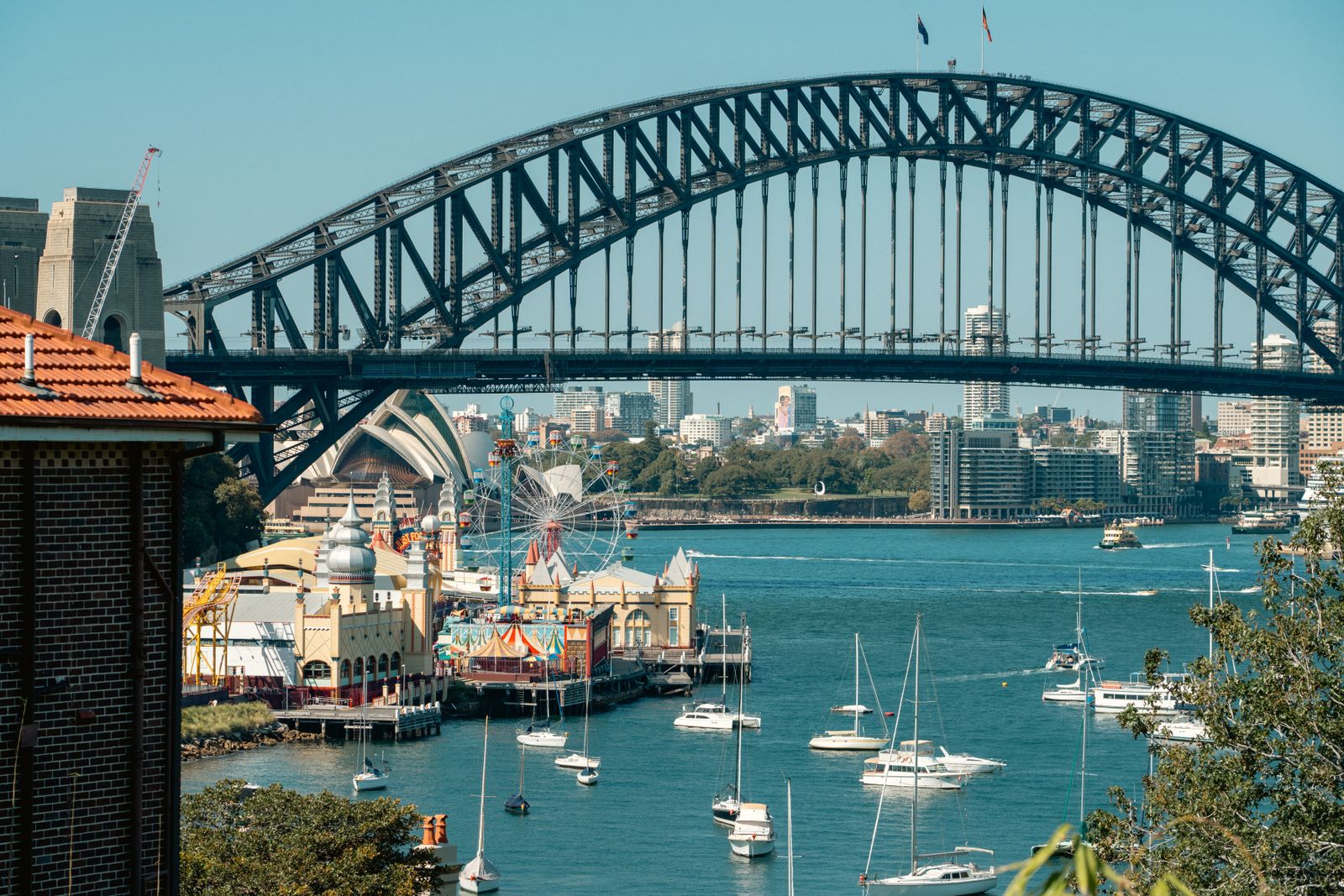
    Australian winter is mild, especially in the north. Sydney sits around 17 to 18 degrees Celsius and stays sunny, while Queensland and the tropical north are warm but not brutal, making it peak season for the reef and beaches. Find hotels in Sydney on Agoda. Best for beaches up north, mild city breaks down south, and outdoor life.

    Argentina and Chile

    Patagonia mountains in Argentina and Chile

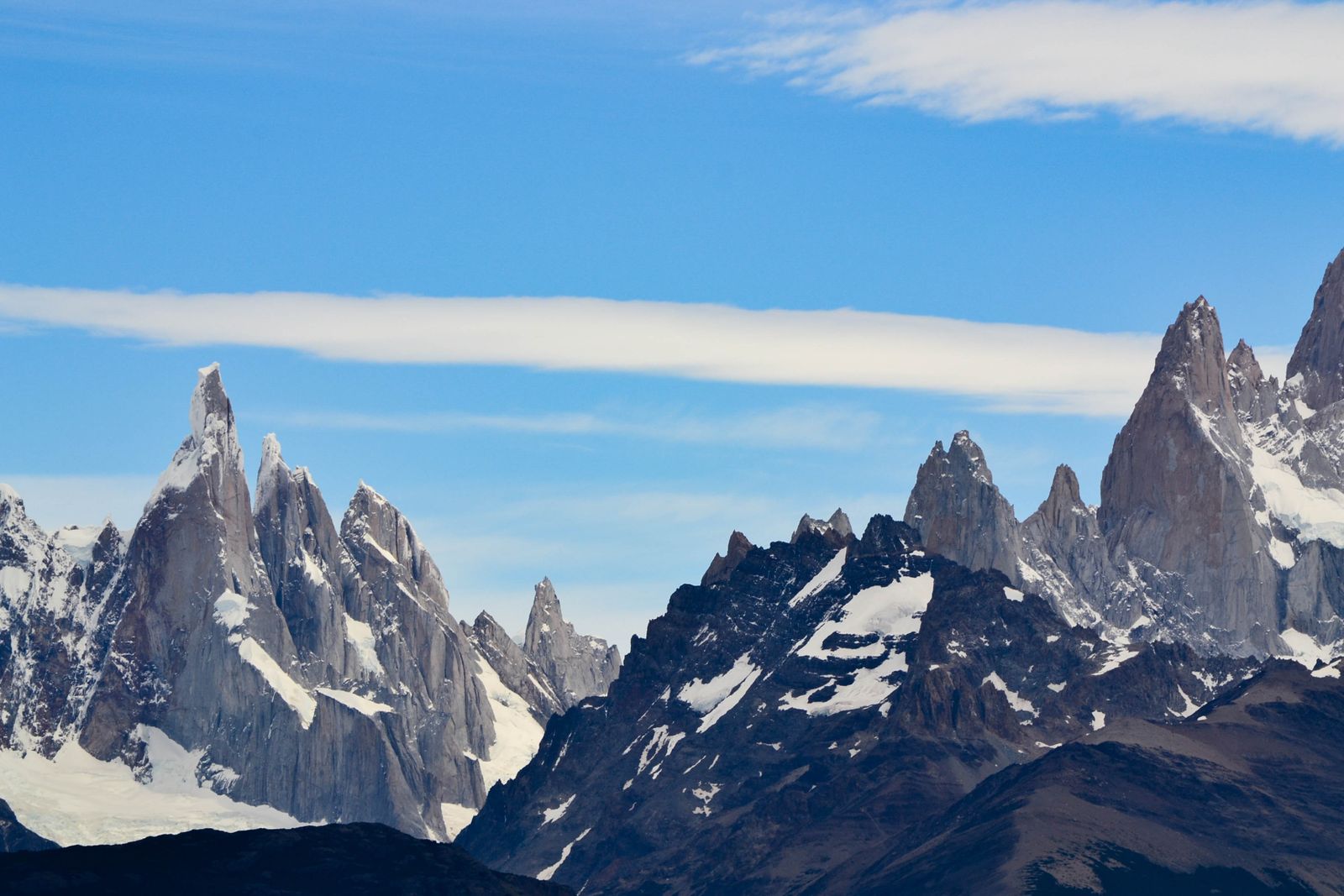
    Southern South America is cool and characterful in the northern summer. Buenos Aires and Santiago are mild, Patagonia is quiet and dramatic, and the Andes offer winter sports. For many currencies the region is also excellent value right now. Best for culture, wine, mountains and long-haul adventure.

    How to plan your summer escape

    Once you have picked a direction, a few tools make the trip cheaper and smoother:

    Flights: compare live fares and flexible dates so you catch the cheapest days to fly. Search flight deals here.

    Where to stay: lock in mid-range hotels early for the popular cool escapes, since northern summer and southern ski season both get busy. Start your hotel search on GlobeDude.

    Travel insurance: if you are hiking, skiing or doing adventure sports, get cover that includes it. SafetyWing is popular with travellers and remote workers.

    Spending money: avoid airport exchange counters and high card mark-ups. A Wise account gives you the real exchange rate and low fees when you spend or withdraw abroad.

    Find your own cool escape

    This list is a starting point. Your best options depend on where you are flying from, your budget and your passport. Open the Escape Season tool, set it to “Escape summer”, choose your home country, and it will show cool destinations you can actually reach, sorted by affordability and filtered by visa access. To go deeper on any country, use the Explorer for live cost, visa, currency and best-time data, or see how far your salary stretches with Where Your Salary Goes Furthest.

    Frequently asked questions

    Which is the best country to escape the summer heat?
    There is no single winner, it depends on where you fly from. For a cool northern summer, Iceland, Norway, the UK, Switzerland and Canada are hard to beat. For a warm-season getaway to somewhere in its mild winter, New Zealand, South Africa, Australia and Argentina are excellent. Use the Escape Season tool to rank them from your own country.

    Where is it cold in July and August?
    The whole southern hemisphere is in winter during July and August, so New Zealand, southern Australia, South Africa, Argentina and Chile are cool to cold. In the northern hemisphere, high-latitude and high-altitude places such as Iceland, Norway, Scotland, the Alps and the Canadian Rockies stay mild even at the peak of summer.

    Is it cheaper to travel to the southern hemisphere in the northern summer?
    Often yes. July and August are low season across much of the southern hemisphere, so flights and hotels in places like South Africa and parts of South America can be noticeably cheaper, and the weather is dry and pleasant. Ski regions in New Zealand and the Andes are the exception, since that is their high season.

    What should I pack for a summer heat escape?
    Layers. Even in mild northern summers, mornings, evenings and mountain areas can be cool, so bring a light jacket and a warm layer. For southern hemisphere winter trips, pack proper cold-weather clothing, especially for New Zealand, Patagonia and any ski destination.

    Do I need a visa for these countries?
    It depends entirely on your passport. Some of these destinations are visa-free or offer visa on arrival for many nationalities, while others need a visa arranged in advance. Check your exact rule in the Explorer passport layer before you book, and always confirm with the official embassy.

    When is the best time to visit Iceland or Norway to avoid heat?
    June to August is ideal. That is their warmest, driest and brightest season, yet daytime temperatures still usually stay in the low to high teens Celsius, which feels wonderfully cool if you are escaping a heatwave.

    How do I find the cheapest cool destination from my country?
    Use the free GlobeDude Escape Season tool. Pick your home country, switch to “Escape summer”, and it lists cool destinations you can travel to right now, sorted by how affordable they are and filtered by visa access, with live flight links.

    Weather notes are seasonal estimates, and cost, currency and visa details are community data that can change, so always confirm visas with the official embassy before booking. Some links above are affiliate links that support GlobeDude at no extra cost to you.
  • Best Countries to Visit in July 2026 (Where to Go for Weather, Value and Visa-Free Travel)

    Best Countries to Visit in July 2026 (Where to Go for Weather, Value and Visa-Free Travel)

    Short answer: July is peak northern summer and dry season across much of the south. The best countries to visit in July 2026 are Indonesia, Kenya, Portugal, Peru, Vietnam, South Africa and Greece. A few are seriously cheap for most travelers right now.

    Picking where to go in July is not about guessing. It is about matching the weather, your budget and your passport. Below is the honest breakdown for each country, with the live numbers built in. Want to see how any of these compare to your own country on cost, visa and currency? Open the GlobeDude Explorer and click the country.

    (more…)

  • Best Countries to Visit in December 2026 (Winter Sun, Festive and Summer Escapes)

    Best Countries to Visit in December 2026 (Winter Sun, Festive and Summer Escapes)

    Short answer: The best countries to visit in December 2026 are Thailand, United Arab Emirates, Australia, South Africa and Argentina. South Africa and Thailand give you the most for your money.

    Picking where to go in December is about matching the weather, your budget and your passport. Below is the honest breakdown for each country, with the live numbers built in. Compare any of them to your own country in the GlobeDude Explorer.

    (more…)

  • Best Countries to Visit in August 2026 (Summer Sun, Safari and Islands)

    Best Countries to Visit in August 2026 (Summer Sun, Safari and Islands)

    Short answer: The best countries to visit in August 2026 are Spain, Kenya, Indonesia, Greece and Peru. Indonesia and Peru give you the most for your money.

    Picking where to go in August is about matching the weather, your budget and your passport. Below is the honest breakdown for each country, with the live numbers built in. Compare any of them to your own country in the GlobeDude Explorer.

    (more…)

  • Best Countries to Visit in June 2026 (Early Summer, Long Days, Fewer Crowds)

    Best Countries to Visit in June 2026 (Early Summer, Long Days, Fewer Crowds)

    Short answer: The best countries to visit in June 2026 are Portugal, Croatia, Norway, Iceland and Greece. Portugal and Greece give you the most for your money.

    Picking where to go in June is about matching the weather, your budget and your passport. Below is the honest breakdown for each country, with the live numbers built in. Compare any of them to your own country in the GlobeDude Explorer.

    (more…)

GlobeDude