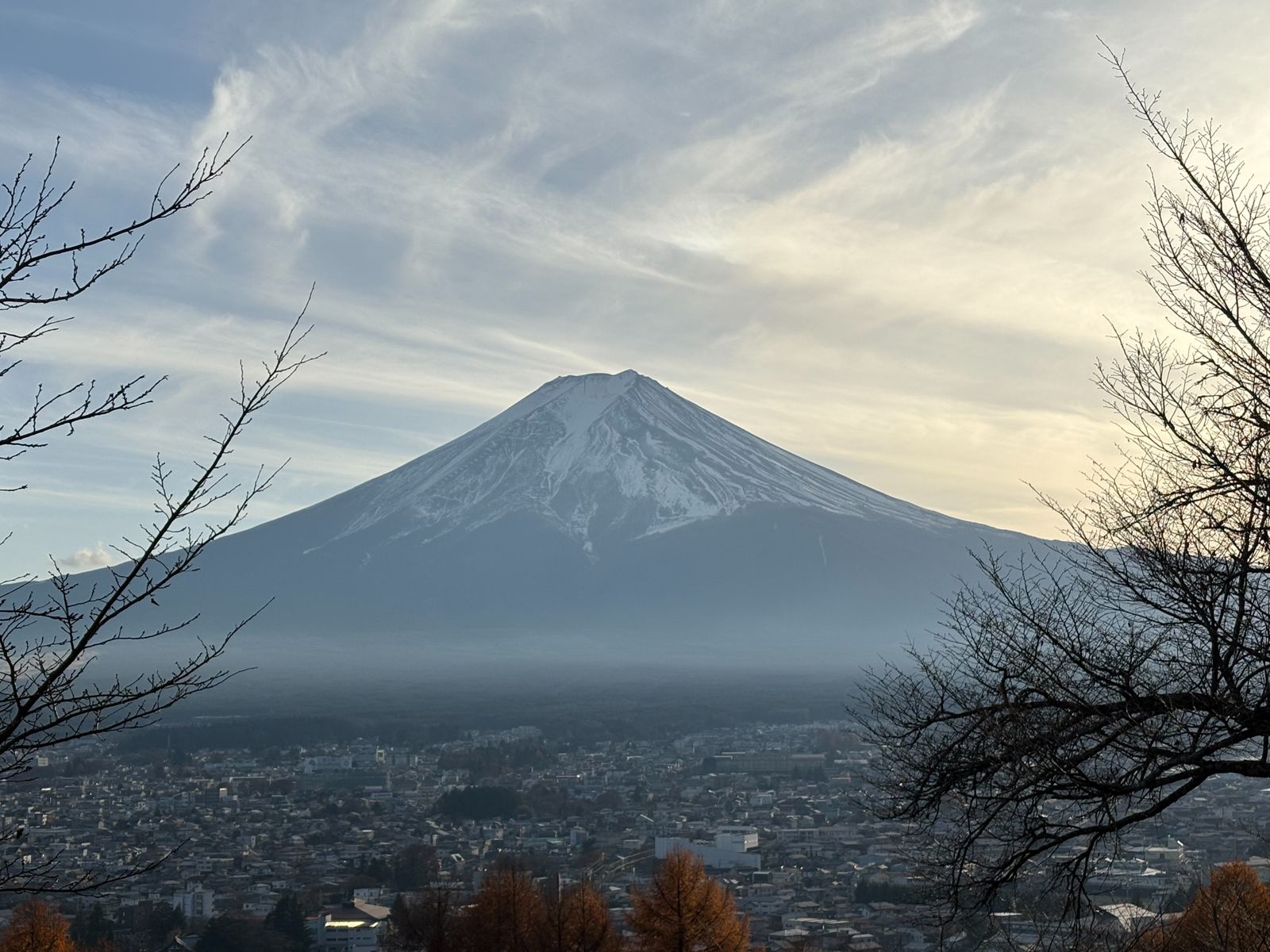
A well planned 7 day Japan itinerary gives you Tokyo’s energy, Kyoto’s temples and a night in the mountains without spending half your trip on trains. This route is built for first timers, moves in one direction so you never backtrack, and shows what the whole week actually costs in your own currency.
See every price in your money. Pick your home country below and all the costs on this page update instantly.
Quick facts before you book
Best time to go: late March to early April for cherry blossom, or late October to November for autumn colour. Both are mild and dry. June is the rainy season and July to August is hot and humid.
Daily budget: around 110 US dollars a day for a comfortable mid range trip, or about 70 US dollars a day if you stay in business hotels and eat at noodle counters and conveyor belt sushi.
Visa: many nationalities get visa free entry for short tourist stays. Set your passport in the GlobeDude Explorer to see your exact rule and how long you can stay.
The route at a glance
Tokyo for three nights, Hakone for one, Kyoto for two, then Osaka for your final night close to the airport. Everything runs south and west along one rail line, so your luggage only moves forward.
Day by day
Day 1: Land in Tokyo and go easy
Get your transit card and pocket wifi or eSIM at the airport, then head to your hotel in Shinjuku or Shibuya. Do not plan anything demanding. Walk your neighbourhood, eat ramen, and let the jet lag settle. Shibuya crossing at night is the right amount of effort for day one.
Day 2: Old Tokyo and the skyline
Start early at Senso-ji temple in Asakusa before the crowds, wander Nakamise street, then cross the river for views of the Skytree. Spend the afternoon in Ueno Park and its museums, and finish the evening in the tiny bars of Shinjuku’s Golden Gai or the food stalls under the tracks in Yurakucho.
Day 3: Harajuku, Shibuya and a day trip option
Meiji shrine in the morning is calm and green, then Harajuku for street food and Shibuya for shopping. If you would rather leave the city, Kamakura is under an hour away and gives you a giant bronze Buddha, quiet temples and a beach.
Day 4: Hakone and Mount Fuji
Take the train to Hakone, drop your bag, and spend the day on the loop of cable car, pirate ship across Lake Ashi and open air museum. On a clear day Fuji sits right there above the water. Stay in a ryokan with an onsen and eat a multi course dinner in your room. This is the night people remember.
Day 5: Into Kyoto
Ride the shinkansen to Kyoto, which takes a little over two hours. Afternoon is for Fushimi Inari and its tunnel of red gates. Go late and climb past the first twenty minutes of crowds, where the path empties out and the forest takes over. Dinner in Gion, watching for geiko on their way to work.
Day 6: Kyoto temples and Nara deer
Morning at Kinkaku-ji, the golden pavilion, then the bamboo grove and monkey park at Arashiyama. If you prefer animals to temples, Nara is forty minutes away and its park is full of bowing deer alongside one of the largest wooden buildings in the world.
Day 7: Osaka and fly home
Short hop to Osaka. Eat your way through Dotonbori, try takoyaki and okonomiyaki, see the castle if you have time, then take the direct train to Kansai airport. If your flight leaves from Tokyo instead, the shinkansen gets you back in under three hours.
What this week actually costs
Per person for a mid range trip. Pick your home country above and the flight row updates with live return fares from your nearest hub:
| Expense | Per person |
|---|---|
| Accommodation, six nights | 450 US dollars |
| Food | 245 US dollars |
| Trains and transport | 230 US dollars |
| Entry fees and extras | 90 US dollars |
| Est. flights from your country | Pick your country above |
| Total for the week, with flights | 1,015 US dollars |
Compare that against your own income with the Salary Goes Furthest tool.
Where to stay
Book early for cherry blossom and autumn, when the good places sell out months ahead. In Tokyo, stay near a JR loop line station in Shinjuku, Shibuya or Ueno. In Kyoto, anywhere walkable to Kyoto station or Gion works.
Find hotels in Tokyo and hotels in Osaka.
Getting around
Work out whether a rail pass beats individual tickets for this exact route before you buy, because the pass is not automatically cheaper for a single one way run. A prepaid transit card covers subways, buses and convenience stores in every city.
Book the things that sell out
Teamlab, sumo tournaments, cooking classes and the Kyoto walking tours all fill up in peak season. Browse tours and tickets in Japan on GetYourGuide.
Stay connected
Japan’s train apps and maps are the difference between a smooth day and a lost hour, so get online the moment you land.
Pay at the real rate: Japan still runs on cash in smaller places. A Wise account lets you withdraw yen at the true exchange rate instead of the tourist rate.
Cover the trip: SafetyWing is a low cost monthly plan built for travelers.
Find the fare: flying into Tokyo and out of Osaka often costs the same as a return, and saves you a day. Compare flights to Japan.
Frequently asked questions
Is 7 days enough for Japan?
Seven days is enough for a strong first trip covering Tokyo, Kyoto and one mountain or coastal stop. It is not enough to add Hiroshima, Hokkaido or the southern islands without the week feeling rushed. Stick to one region and go deeper.
How much does a week in Japan cost?
Budget around 1,000 US dollars per person for a mid range week excluding international flights, covering hotels, food, trains and entry fees. A tighter trip runs closer to 700, and adding ryokan nights pushes it past 1,400.
What is the best month to visit Japan?
Late March and early April bring cherry blossom, and late October and November bring autumn colour. Both are mild, dry and busy. May and early June are quieter with good weather before the rains arrive.
Do I need a visa for Japan?
Many nationalities enter visa free for short tourist stays, while others must apply in advance. Open the GlobeDude Explorer, set your home country, and it shows your exact rule. Always confirm with the official immigration site before you travel.
Should I buy a Japan Rail Pass for 7 days?
Only if you are covering long distances. For a one way Tokyo to Kyoto to Osaka route, individual shinkansen tickets are often cheaper than a seven day pass. Add a Hiroshima or return leg and the pass starts to win.
Is Japan expensive to travel in?
Less than most people expect. Transport and accommodation are the real costs, while food is excellent value, with filling meals at noodle counters and convenience stores for a few dollars. Compare it live against your own currency in the Explorer.
This itinerary is AI assisted and reviewed before publishing. Costs, opening hours and transport schedules change, so confirm current details before you book. Some links above are affiliate links that support GlobeDude at no extra cost to you.